Plan separate outings on a Hokkaido group trip: agree meeting points, independent returns, shared bookings, room keys and a fallback if someone is late.
- Each group needs its own way back, room access and payment method.
- Agree an exact meeting entrance, floor, time and change-of-plan contact.
- Check which people and dates a booking change affects before cancelling.
Choose the day before choosing separate activities
Friends and family may want different things: more shopping, time for photography or an early return to rest. Compare a half-day apart followed by a shared dinner with trying to keep everyone on the same schedule. This is an editorial planning method, not confirmation of any venue’s admission rules, opening hours or transport service.
A useful candidate is a day without a hotel change when each group can return independently. On hotel-transfer, reserved long-distance travel or airport days, consider what happens if you fail to meet again. Reducing the shared sightseeing may be simpler. Decide who stays with children or anyone needing assistance rather than designing a plan that leaves them alone.
Make each group independently able to return
Before separating, check that each group has the accommodation’s full name, address and entrance, a return route, a way to communicate and a payment method. If all electronic tickets and reservations are on one person’s phone, do not assume a screenshot can be used by someone else. Follow the ticket or booking conditions when arranging access to what each traveller needs.
Decide who carries the room key and how the other group will enter later. Ask the hotel about additional keys or a companion checking in before the lead guest; neither is automatic. Save the address and meeting plan offline or on paper in case mobile data is unavailable.
A station name alone is not a meeting point
Agree the full venue name, entrance or desk, floor and map pin. Set an expected arrival time and a separate time to report a delay. A station or shopping-centre name can leave two groups waiting at different doors. Even indoors, check opening hours, ticket requirements, seating and the route back to the exit.
If one group is late, agree to exchange current locations and arrival estimates before the waiting group goes looking elsewhere. Also decide when to abandon the meeting and return to the accommodation separately. Choose a confirmed usable waiting place rather than relying on remaining outdoors in bad weather.
Meals, activities and cars: fewer people is still a change
If only some guests will use a group meal or activity booking, ask about changing numbers, eligibility of the remaining participants, the revised total and cancellation costs. Check whether the lead guest must attend or everyone must register together. Make sure a cancellation button does not cancel the entire booking when you intend to remove one participant.
When one group keeps the rental car, give the other group an independent return plan. An unconfirmed collection time and place should not be their only way back. If another person will drive, check the rental agreement and driver-registration conditions rather than treating an informal swap as permission.
Separate shared accommodation and bookings from personal meals or shopping and extra transport caused by a change. Agree between companions who pays for unused reservations; that agreement is different from the supplier’s refund rules. Do not make a replacement purchase on the assumption that a duplicate payment will be refunded.
A Sapporo stay-put example: sightseeing and rest
This is a planning example, not a timetable. Review the day together in the morning. One group chooses a main outing; the other chooses the accommodation or a nearby indoor place whose access conditions have been checked. Do not leave the resting place vague: a hotel room may not be available before check-in.
Have lunch separately and meet at the agreed place before dinner. The sightseeing group works back from the return connection and drops another stop if running late. Split medication, warm layers and keys before leaving so the group returning early does not depend on items in the other group’s bag.
Do not copy this example unchanged onto a flight-departure day. Prioritise bag collection, the airport journey and airline deadlines. If the extra meeting detour does not fit, reduce sightseeing.
A shared note and confirmation that changes are understood
Date / members of each group / person providing any needed assistance:
Each group’s destination and return / who carries keys, tickets and essentials:
Full meeting-place name, entrance, floor and map / expected arrival / delay-report time:
When to abandon the meeting / accommodation address for separate returns / working contact method:
Shared booking reference and participants / change contact / confirmed costs / change confirmation:
After changing the plan, check that the other group has read and agreed to it. Sending a message alone is not agreement to move the meeting point. Keep booking references and other personal details in private group communications, not public posts. Contact the supplier and your companions separately, and finish by checking which reservations remain active.
Related planning guides
Prepare for independent travel
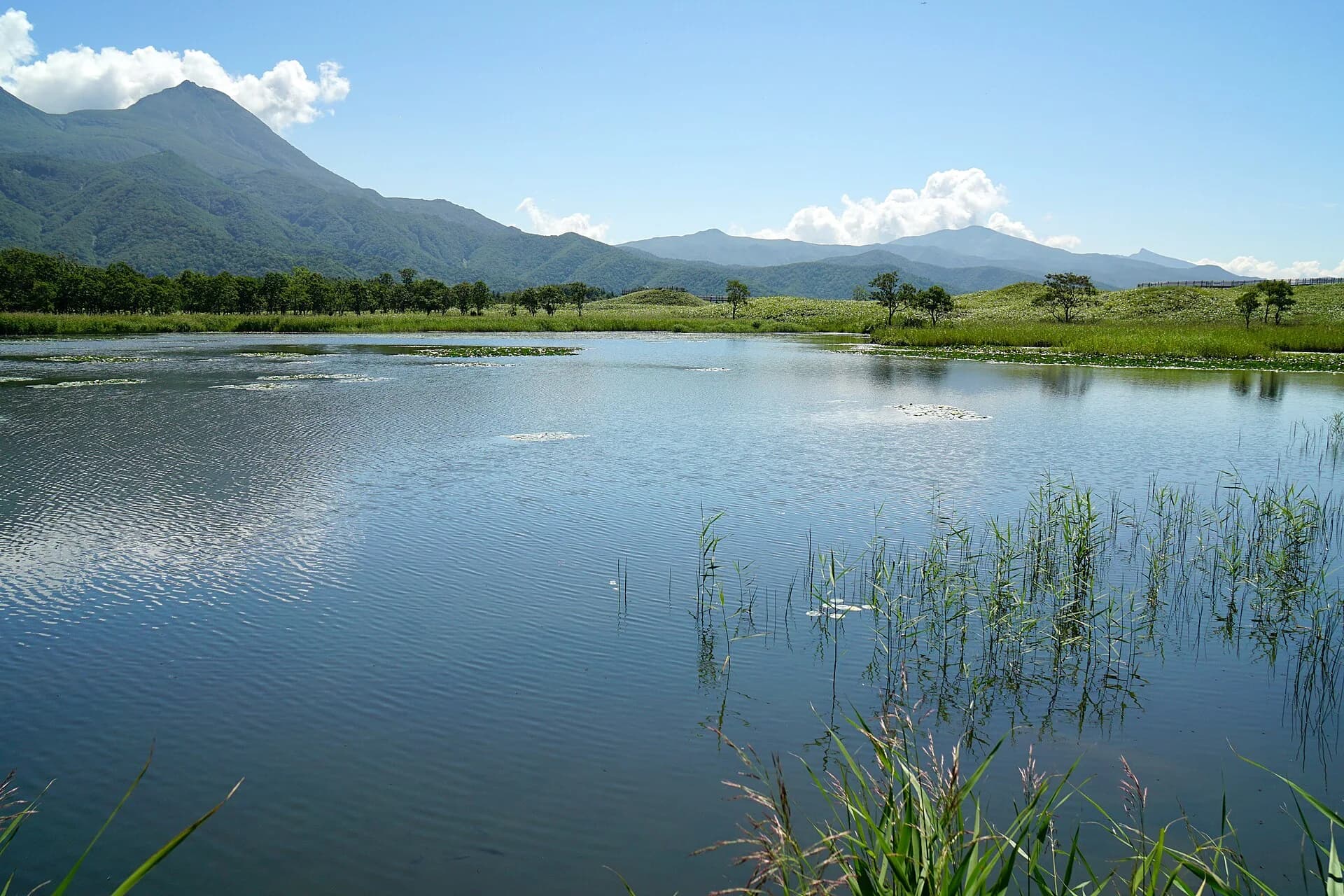
The cover is a landscape of Lake Ichiko in the Shiretoko Five Lakes. It illustrates Hokkaido travel, not a meeting point in this article or current conditions. 663highland / Wikimedia Commons, CC BY 2.5.

Northern Land Hokkaido Team — Sapporo, Japan