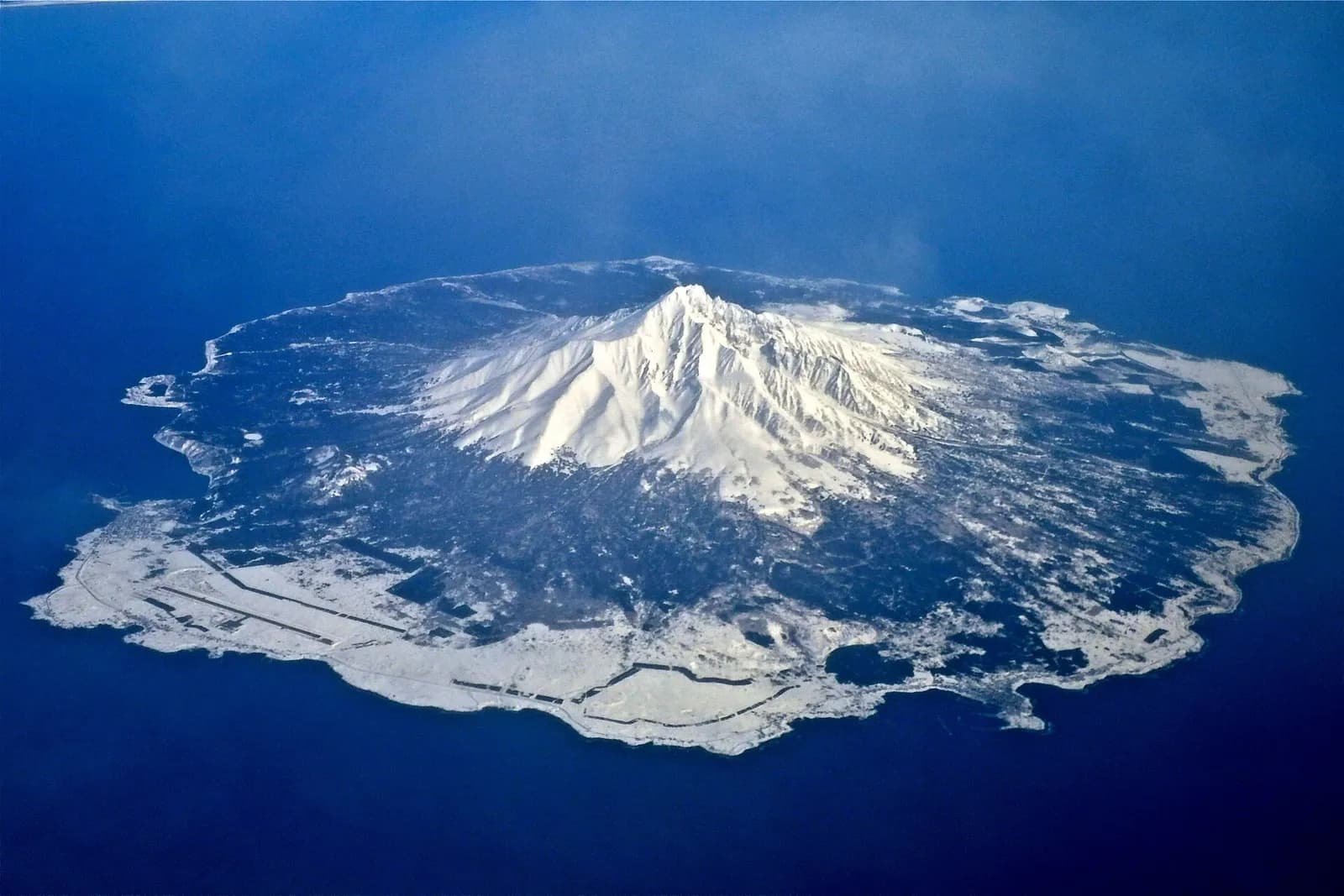
Plan northern Hokkaido around the island you actually want to visit: Rishiri for mountain scenery, Rebun for flowers and walking, and Wakkanai for the mainland connection. Compare one island with two, then work backwards from the return journey.
- Choose the island and number of nights before booking individual transport legs.
- Rishiri has an airport: ferries are not the only way to reach it.
- A seasonal timetable is not an operating guarantee; keep a mainland buffer before an important onward journey.
Choose one island first, then add Wakkanai
Rishiri suits travelers who want the volcanic island landscape, coastal viewpoints and activities such as cycling. Climbing the mountain is a separate undertaking, not a compulsory part of an island visit. Rebun suits a trip centered on alpine flowers and walking routes; choose an actual trail and check its condition rather than treating the entire island as an easy stroll.
Wakkanai is the mainland gateway, not another island. Keep time for the city and, if your transport allows, Cape Soya. Do not combine a distant cape outing and a ferry departure using only the time shown by a map: include the return to town, luggage collection and boarding procedures.
If you have only two nights in the area, start by pricing one island plus a Wakkanai stay. Trying to include both islands turns more of the trip into transfers. These are editorial planning options, not a guaranteed itinerary.
Ferry ports and the Rishiri flight option
Heart Land Ferry publishes schedules for Wakkanai–Rishiri, Wakkanai–Rebun and Rishiri–Rebun. Read the exact operating dates and port names. Rishiri has Oshidomari and Kutsugata ports; do not assume every inter-island sailing uses the same terminal as your arrival. Rebun ferries use Kafuka.
Rishiri’s official tourism access page also lists flights involving New Chitose and Okadama airports. Routes and operating periods must be checked with the airline for your date. Okadama and New Chitose are different airports; a connection between them needs a separate ground transfer.
Book the island transport and lodging as a connected plan. Passenger travel, taking a car aboard and renting a vehicle on the island are different arrangements. If you plan to bring a mainland rental car, first ask the rental company about ferry use, return conditions and disruption handling.
One island or two: an overnight planning template
One-island, two-night example: arrive in Wakkanai and stay; travel to your chosen island and stay; return to the mainland. Whether this fits depends on the first and last day’s transport. The example does not include a guaranteed connection to a flight home that evening.
Two-island example with four nights: Wakkanai, first island, second island, then Wakkanai again. Put a sightseeing day or another island night into a longer trip rather than assuming a short port-to-port transfer leaves a full day for walking. Confirm the inter-island service before fixing the order.
For a mountain climb or a specific long walk, allow a full activity day and a weather alternative. A spare day reduces pressure to go out in poor conditions but does not guarantee good weather or a ferry departure.
Where to stay and how to move without a car
In Wakkanai, compare the actual walking or taxi route between the station, ferry terminal and accommodation. On Rishiri, choose lodging relative to your arrival port or airport and your main activity. On Rebun, Kafuka is a useful reference point for the ferry, but a northern-island activity may need a separate transfer.
Check both the outward and return bus for each visit. Rishiri tourism notes that bus frequency changes by season; an advertised bus route does not mean you can stop everywhere and continue whenever you like. Ask about pickup location, luggage, advance booking and a fallback taxi before relying on a hotel shuttle.
Ask the accommodation about dinner arrival deadlines, breakfast before an early ferry, nearby meals on closed days, baggage storage and its own cancellation terms. A ferry cancellation does not automatically cancel every separately booked room or activity without a charge.
Season, walking conditions and winter visits
Choose dates by what you want to do, not a single island-wide “best month”. For flowers, consult Rebun’s current flowering information; for walking and climbing, check route access, weather and local notices. Wind or rain can change a walking plan even when transport is running.
Do not describe the islands as closed in winter. The ferry operator’s 2026 Wakkanai–Oshidomari timetable includes winter periods, while individual visitor facilities, excursions and routes can have seasonal restrictions. Check accommodation, meals and local transport before booking an off-season visit. Do not apply the 2026 timetable to 2027.
Wear footwear appropriate to the chosen route, carry rain and wind protection, and plan where to turn back. This is a trip-planning guide, not a climbing route assessment. The opening image shows Rishiri from the air in April 2012, not current snow or trail conditions.
If a sailing is cancelled: protect the rest of the trip
Before leaving, save the ferry operator, airline and accommodation contacts offline. Check the operator’s operating-status notice as well as the timetable. A flight from Rishiri is an option to investigate, not an assured replacement: seats, weather, airport access and luggage conditions still matter.
When disruption occurs, confirm which leg is affected, possible rebooking and the next realistic departure. Contact the island accommodation, the next mainland hotel and any separately booked onward transport individually. Keep confirmation numbers and the replies; do not assume one supplier will rearrange all bookings.
Official ferry and tourism pages were checked on 25 October 2026. The overnight examples and booking checklist are editorial guidance. Consult Heart Land Ferry for dated schedules and operating status, RISHIRI PLUS for island access, and Rebun’s tourism association for visitor information.
Northern Land Hokkaido Team — Sapporo, Japan