Most travelers file Hokkaido under "winter destination" — powder snow, drift ice, snow festivals — and never think about it again. That's a mistake, and it's one the Japanese themselves don't make. Every summer, while Tokyo and Osaka swelter through 35°C humidity, Hokkaido's hotels quietly fill with domestic travelers escaping north.
Here's what they know that most international guides won't tell you.
Why summer is Hokkaido's secret season
There is no rainy season here. From early June through July, the rest of Japan sits under tsuyu — weeks of grey drizzle. Hokkaido is conventionally said to skip it entirely, and in most years it effectively does. While Kyoto drips, Furano is dry, green, and sunny. (Locals will tell you about the occasional "Ezo tsuyu," a rainy spell that does turn up some years — it's the exception rather than the rule, but don't treat a Hokkaido summer as guaranteed sunshine.)
Plan for local conditions, not a promise of cool weather. Mornings, evenings and coastal or mountain locations can call for an extra layer, while inland sightseeing can be hot. Check your destination's forecast and make room for indoor breaks.
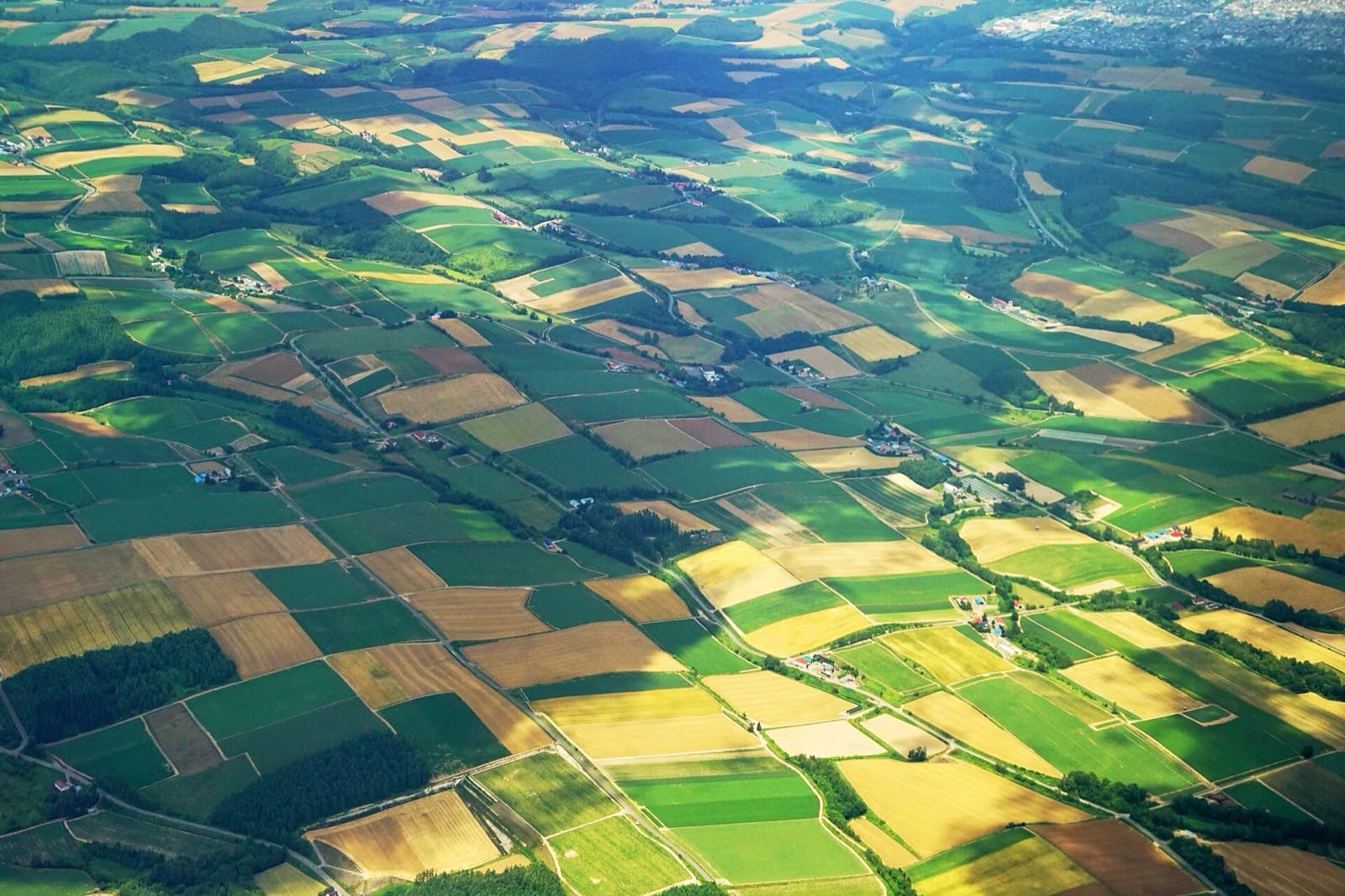
The island turns into farmland heaven. Hokkaido produces a huge share of Japan's dairy, wheat, potatoes, corn and seafood. Summer is when all of it is growing, blooming, and landing on plates within sight of where it grew.
Month by month
June — the quiet green start
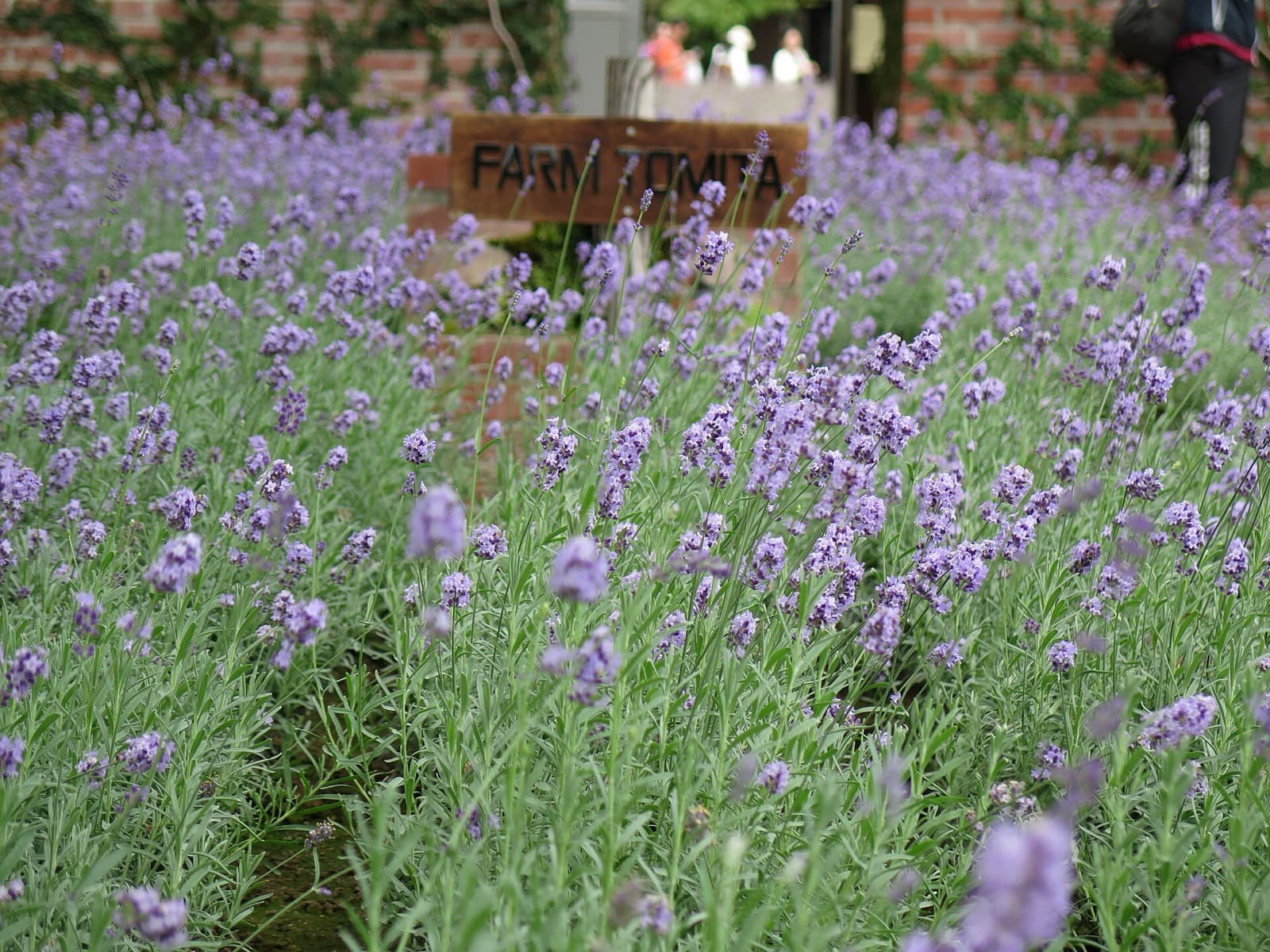
Fields are freshly planted, hills are electric green, and crowds haven't arrived. Early lavender starts blooming in late June, and the alpine flowers on Rishiri and Rebun are at their best. This is the cheapest, calmest month of the season.
June is also when Yosakoi Soran takes over Sapporo — thousands of dancers, teams from across the country, and a city that stops working for a few days.
July — lavender at full blast
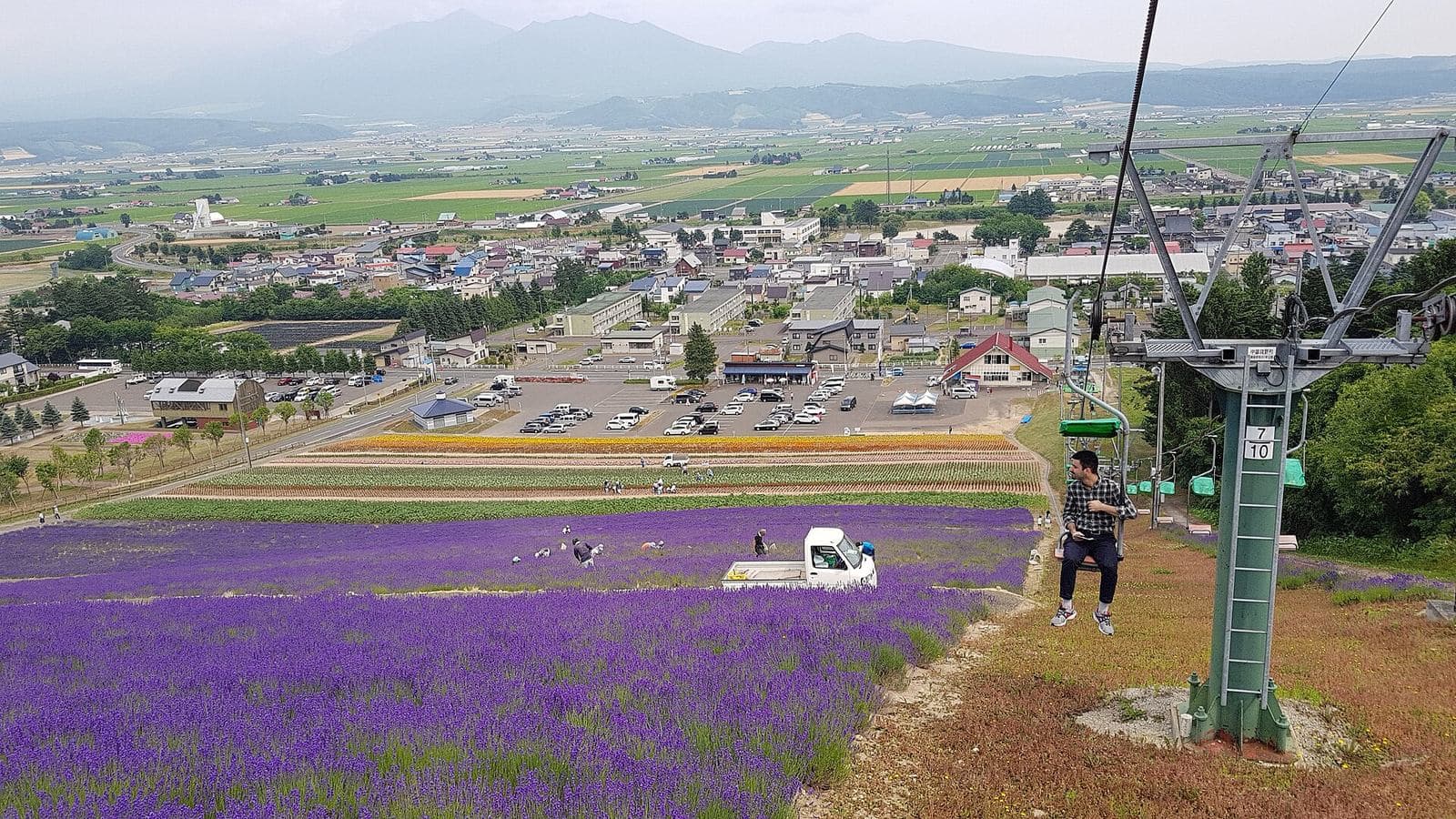
This is the postcard month. Farm Tomita and the fields around Furano hit peak lavender in mid-to-late July, and the patchwork hills of Biei are at their most photogenic. It's also peak season for a reason: book accommodation in the Furano–Biei corridor well ahead, and check opening hours and access before choosing an early visit; it does not guarantee an empty field.
Daisetsuzan's alpine meadows flower in July too, which is the version of this season most visitors never see.
August — festivals, sunflowers and harvest
Lavender fades but sunflower fields take over (Hokuryu's field of over a million blooms is the famous one). Sweet corn and melon hit peak flavor, and the east — Shiretoko, Akan, Kushiro's wetlands — is at its wildest and greenest. In Sapporo, Odori Park fills with the beer gardens of the Sapporo Summer Festival.
One date to plan around: Obon, in mid-August. This is Japan's biggest domestic travel week — flights, trains, rental cars and hotels all tighten and get more expensive across the country, Hokkaido very much included. If your dates are flexible, aim either side of it.
Where to go
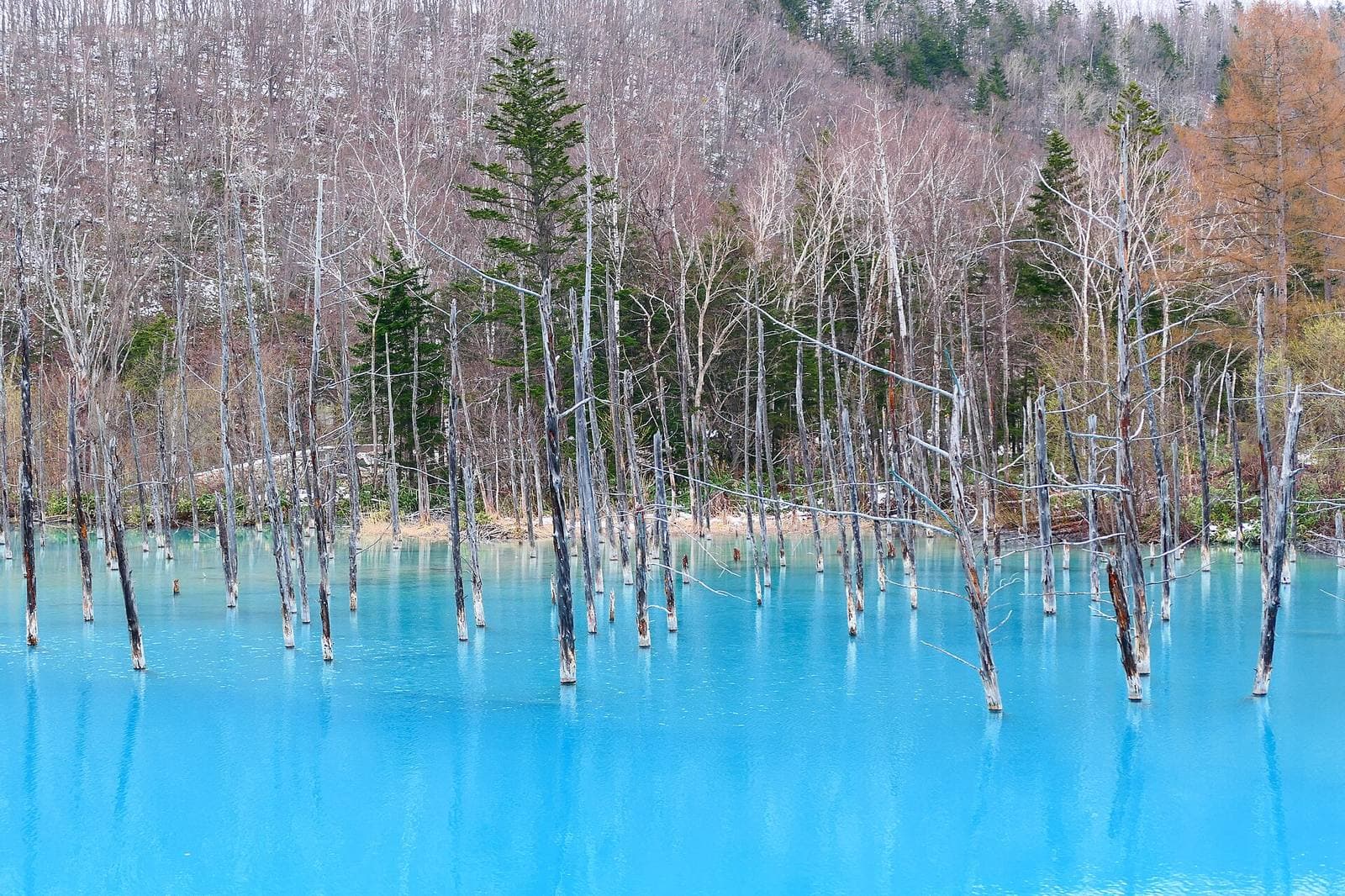
- Furano & Biei (Kamikawa) — the icons. Lavender, patchwork hills, the Blue Pond. Deserved fame; manage crowds with early starts.
- Daisetsuzan (Kamikawa) — Japan's largest national park, and in July the alpine zone is in flower. Two ropeways make the high country reachable without a serious climb.
- The Tokachi plain — Hokkaido's breadbasket, and the heart of the "Garden Road" — a string of eight show gardens running from Daisetsuzan down to Tokachi. Rent a car, eat everything.
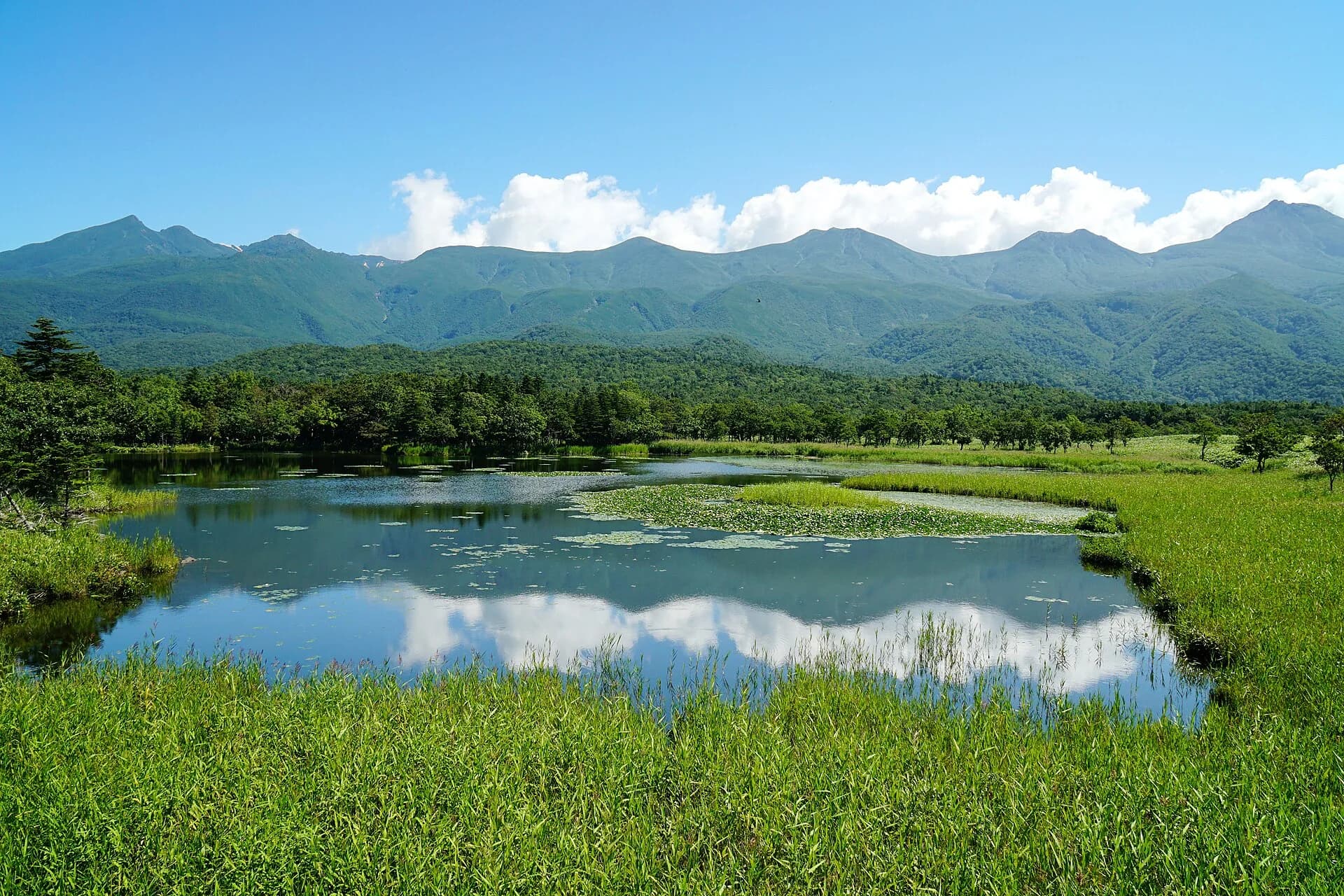
- Shiretoko (Okhotsk/Nemuro) — a UNESCO World Heritage peninsula where brown bears fish for salmon below waterfall hikes. Summer is the season it's actually accessible.
- Rishiri & Rebun (Soya) — alpine wildflowers at sea level on islands off Japan's northern tip. June and July are the flower months. Both are reached by ferry from Wakkanai, so build in the crossing and check the timetable before committing a day.
The things you can only do now
Summer isn't just winter with the snow removed — several of Hokkaido's best experiences exist only in these months:
- Hiking. Daisetsuzan and Shiretoko are genuinely alpine, and the trails are open. July and August are the window; snow lingers into early summer at altitude.
- Cycling. Wide shoulders, light traffic and long daylight make Hokkaido one of Japan's great cycling regions — Furano–Biei and the Tokachi plain are the classic routes.
- Rafting and canoeing. The Shiribetsu River near Niseko and the Kushiro Marsh canoe runs are both summer-only.
- Wildlife by boat. Whales and orcas off Rausu, bears on the Shiretoko shoreline — the marine season runs through summer.
- Beer gardens. Odori Park's open-air halls are a genuinely lovely, genuinely local way to spend a July evening.
The road trip advantage
Hokkaido offers some of Japan's best road-tripping: wide roads, light traffic outside cities, and scenery that changes from dairy pasture to volcanic caldera to coastline in a single afternoon. In June you get around fifteen hours of daylight to use it.
A few practical notes:
- Book the rental car early. Summer demand is real, and automatic-transmission cars go first.
- Distances deceive. Hokkaido is about the size of Austria. Sapporo to Shari, the Shiretoko gateway, is 424 km and about six and a half hours of driving by our own drive-time data — plan regions, not laps of the island. (Our interactive map on the homepage is built for exactly this.)
- Wildlife is not decorative. Deer on the road at dusk are a real hazard; drive gently after sunset.
The honest drawbacks
Nobody writes this part, so here it is:
- The bugs are real. Mosquitoes in the evenings and horseflies (abu) around forests, rivers and open-air onsen in high summer. Repellent isn't optional if you're going anywhere green.
- Air conditioning is not a given. Hokkaido buildings were designed against cold, not heat, and plenty of older accommodation has no aircon at all. Check cooling in the actual room you plan to book, rather than assuming that you will not need it.
- Mid-August is crowded and expensive because of Obon, as above.
- The sea is cold. This is not a swimming destination, whatever the beaches look like from the road.
- The famous fields are genuinely busy in July. An early visit may fit your route, but opening hours, transport and crowding still need checking.
- The winter headliners are gone. No drift ice, no powder, no snow festival — and some winter-only activities and a few seasonal roads run on different schedules. If drift ice is what you came to Japan for, come in February instead.
Plan a flower-field day with a cool place to stop
Do not book a summer trip on the assumption that Hokkaido will stay cool. The Ministry of the Environment's heat guidance explains that temperature, humidity, wind, physical condition and activity all matter. Check the forecast and heat-stress information for your destination before setting out, not just the temperature at your arrival airport. A morning visit is a scheduling option, not a guarantee of safe conditions or an empty field.
- Choose one outdoor priority. For a Furano–Biei day, start with the field you most want to see, subject to its opening hours and access. Keep another exposed walk optional. Count the walk from the parking area or bus stop and the wait for the return service as outdoor time too; a short photo stop can mean a much longer time away from shelter. The Furano–Biei guide helps separate the flower fields from the Blue Pond outing.
- Name the indoor break before leaving. Check the actual opening hours, seating and cooling at a nearby place you can reach. A café that is full, a closed museum or a hotel room unavailable until check-in is not a reliable midday rest plan. Do not assume a bus shelter is cool or that a parked car can substitute for an indoor break. Carry drinks and allow rest time rather than filling every gap with another attraction.
- Keep the return usable. If travelling without a car, write down the earlier service you could take back and how to reach it. If cutting the visit short would leave a long outdoor wait, shorten or replace the outing before departure. If driving, reduce stops rather than turning the cooling break into a long drive to another region. For a Sapporo-based day, the indoor outing guide offers alternatives to check; it is not a reason to return to Sapporo from a distant field just for lunch.
Ask about the bedroom, not only the lobby
Before booking, ask whether the specific room type has cooling, whether it operates on your travel dates and whether you can control it. A fan, a cooled lobby and an air-conditioned bedroom are different answers. If you need somewhere to rest before check-in or after check-out, ask separately about room access or a suitable indoor waiting space; luggage storage does not provide either.
A useful message is: “We are staying on [dates] in [room type]. Does that room have air conditioning with cooling, and can we use it overnight? If we arrive before check-in, is there a cooled indoor place where our party can sit?” Describe any essential needs before paying, rather than relying on a general facilities icon. The family trip guide helps coordinate room access with children's breaks.
Compare accommodation using the whole-trip budget: room, transport to the field, the planned break and any change charge. Do not assume that an activity remaining open means you must attend, or that deciding not to attend makes it refundable. Check the seller's terms before the change deadline. If conditions or someone's health make the outing unsuitable, drop the optional field rather than trying to recover every booking by adding more outdoor time.
Heat guidance checked 19 October 2026. These are planning checks, not a forecast for your travel dates.
What to pack
Layers. Daytime is t-shirt weather; mornings, evenings and anywhere with altitude (Daisetsuzan, Shiretoko passes) want a fleece or light jacket. Add sun protection — the UV is stronger than the mild temperatures suggest — and insect repellent for the national parks. If you're hiking, proper shoes: the alpine zones are real mountains with real weather.
The bottom line
If your image of Japan in summer is sweat and umbrellas, Hokkaido is the counter-argument: flower fields, regional food and outdoor days that still need plans for heat, rain and busy roads. Come in June for quiet and flowers, July for lavender and the high country, August for festivals and harvest — dodge Obon if you can, and give it a week if you possibly can.
Chasing July's lavender? The flower country gets its own deep dive in Furano & Biei: Lavender, Patchwork Hills and the Blue Pond. And if your dates slip past August, don't worry — the season that follows opens with what's famed as Japan's earliest fall colors: Hokkaido in Autumn.
Book what's in this guide
These are affiliate links. We may earn a commission if you book — the price you pay is the same. Learn more
Viator links open a regional or category list, not a single tour. Check each activity's location and dates before booking.
Northern Land Hokkaido Team — Sapporo, Japan