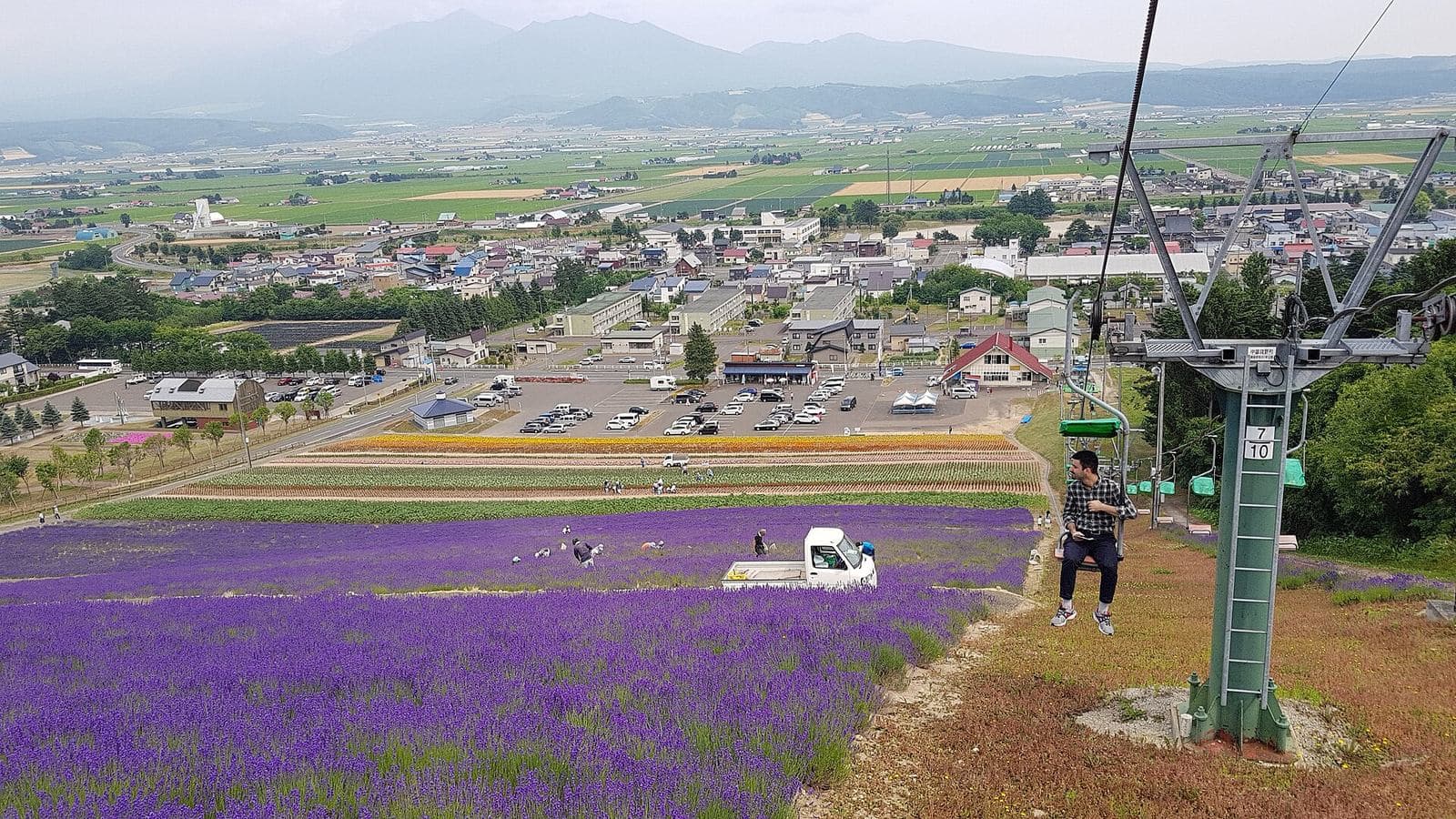
For flower fields, rolling farmland and the Blue Pond, an overnight stay gives you more time than trying to cover everything on a day trip. The sights are spread across Furano city, Nakafurano, Kamifurano and Biei. They are not one compact sightseeing area, and the journey between stops needs its own place in your itinerary.
Start with your main interest: lavender around Nakafurano, the hills around Biei, or the Blue Pond toward Shirogane. You can visit without a car, but choose your stops around available connections rather than copying a driving route.
Where are the sights?
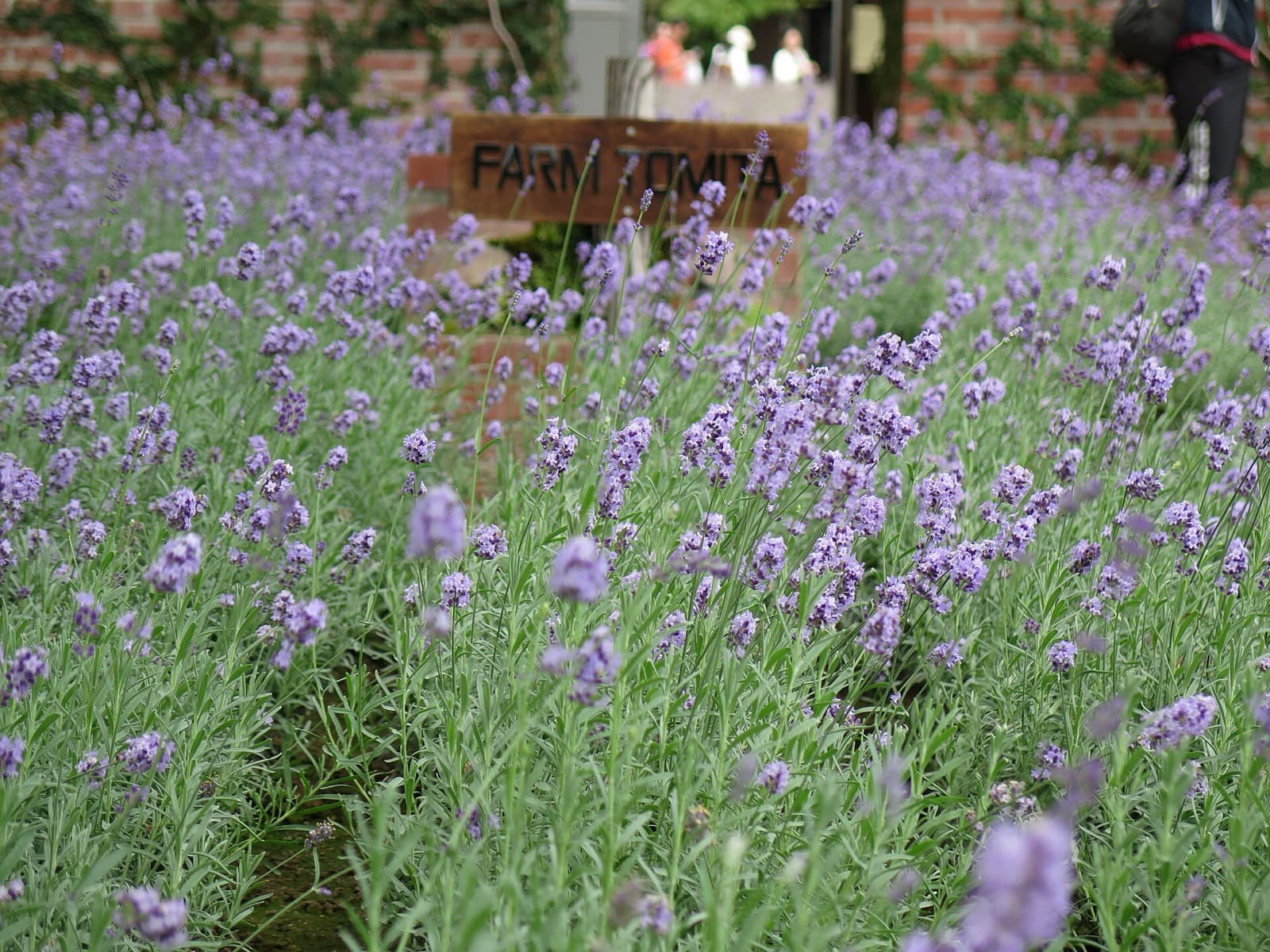
- Farm Tomita is in Nakafurano, not central Furano city. Check the route from your accommodation to the farm.
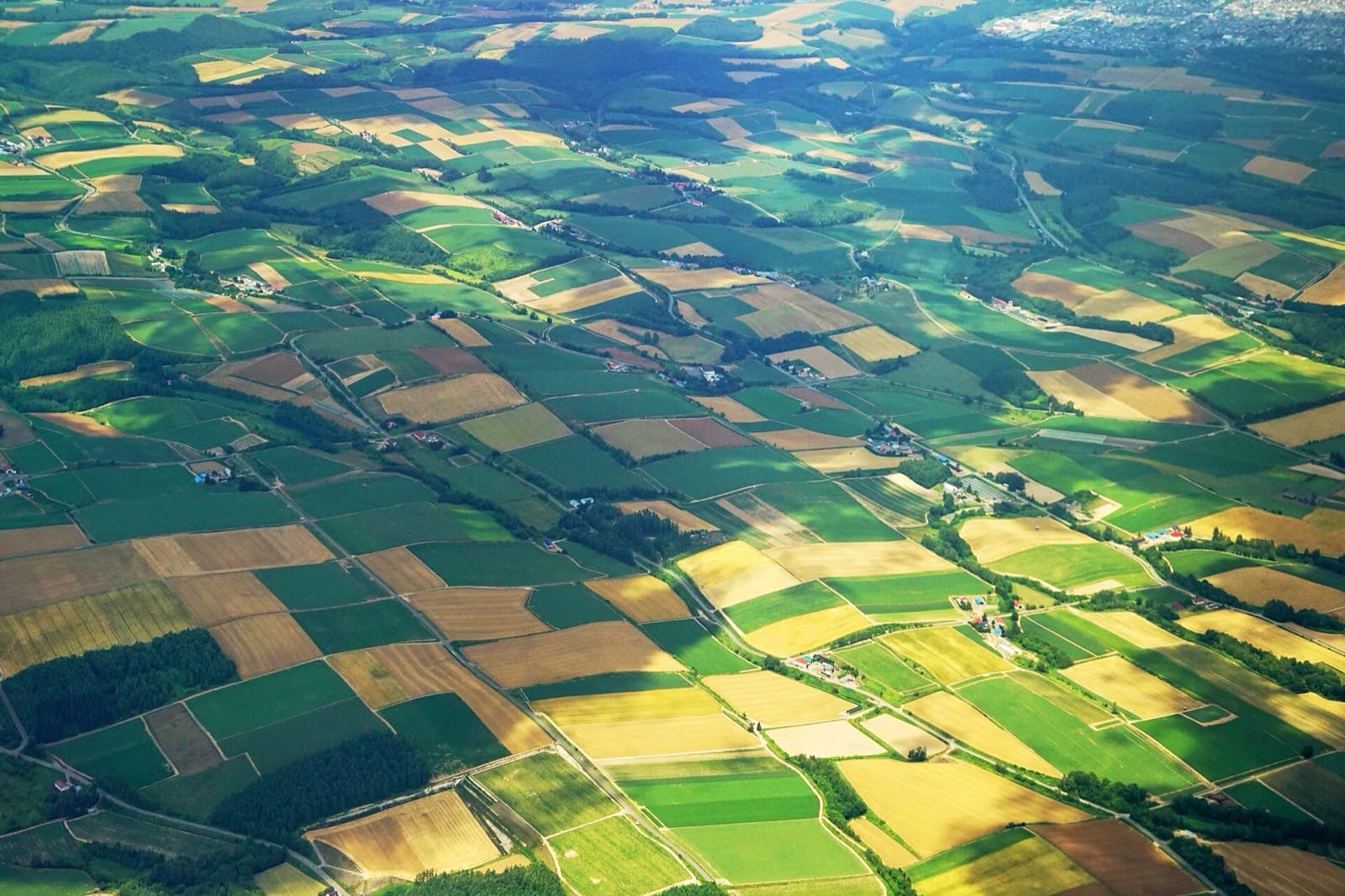
- Biei's hills are working farmland, with viewpoints spread around the countryside. Choose accessible viewing spots instead of trying to reach every photograph you have seen online.
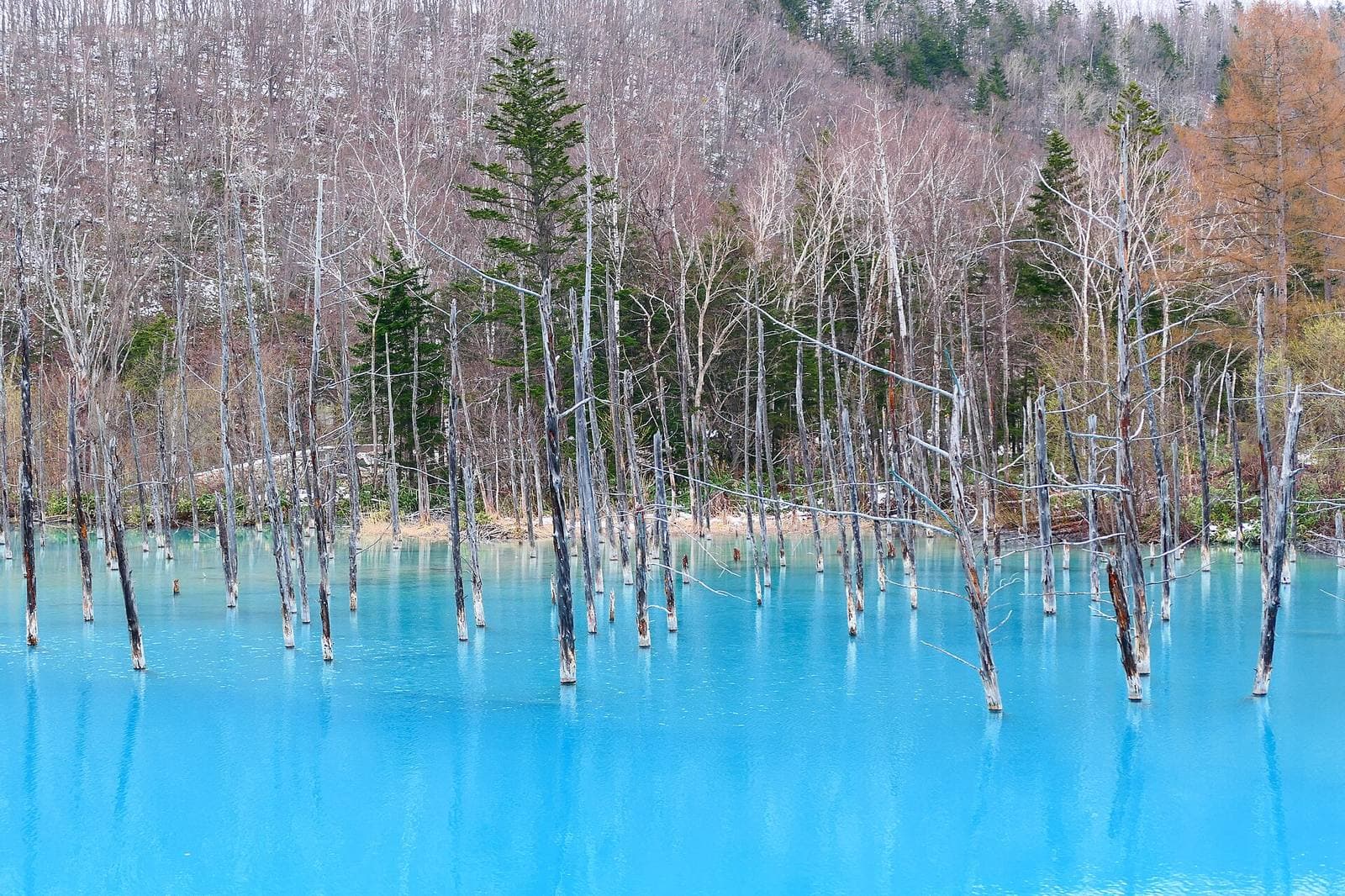
- The Blue Pond is in the Shirogane direction, away from Biei Station and the town's central streets. Treat it as a separate excursion.
When to visit for lavender
Farm Tomita's official FAQ (Japanese) describes early varieties beginning to colour in late June, with the usual peak in early to mid-July. Harvesting follows, so the same purple view does not last throughout summer. Check the farm's current flower updates rather than treating a calendar date as a guarantee.
Plan your arrival for opening hours. The farm does not allow entry outside those hours, so a sunrise photography plan is not appropriate unless the site is open. Outside lavender season, choose the flowers and landscapes actually available on your travel dates.
Driving to Farm Tomita: useful estimates
The farm's official access guide gives these driving estimates to Farm Tomita, not to every attraction in the area:
- From Asahikawa Airport: about 45 minutes via Route 237.
- From central Sapporo: about 2 hours 30 minutes via Mikasa Interchange.
- From New Chitose Airport: about 2 hours 30 minutes via Shimukappu Interchange.
These are route estimates, checked on 11 October 2026. Allow additional time for rental-car collection, breaks, traffic, weather and parking. Check your actual accommodation-to-attraction route before deciding how many stops fit.
A two-day itinerary without rushing
Day 1: focus on the flower fields. Visit Nakafurano, allow time for lunch, then choose one further stop around Kamifurano or Furano city. Stay around the area that suits your final stop and dinner plans. If you arrive in the afternoon, leave the main flower visit for the following morning.
Day 2: choose your Biei priority. Spend time at selected hill viewpoints, or make the Blue Pond and Shirahige Falls your main outing. To combine both areas, check the full route and your departure deadline first. Leave enough time for airport check-in or the journey back to Sapporo.
This is an NLH planning suggestion, not a timed tour. With public transport, build each day around the return service before adding another attraction.
Can you visit Furano and Biei without a car?
Yes. Use trains between towns and plan the last section to each attraction separately. For Farm Tomita, the access guide lists Nakafurano Station at roughly a 25-minute walk; the closer Lavender Farm Station is a seasonal option, so check whether trains stop there on your date.
For the Blue Pond, the Biei Tourism Association's bus guide explains the local bus serving Asahikawa, Biei and the Shirogane area, alongside sightseeing-bus options. A scheduled sightseeing tour can help if you want several stops without driving. Routes, dates and reservations differ, so check the current operator information.
Before booking, write down the outward service, the actual boarding stop and the return service. Include walking time from the stop and avoid assuming a rural taxi will be waiting. If you need a taxi or hotel pickup, arrange it ahead of time.
Two days without a car: one base, two separate outings
Use this as a planning framework, not a promise that a particular connection runs. Make Nakafurano's flower visit one day and the Blue Pond outing another. A train between towns does not connect every viewpoint, and adding the Biei hills needs a separate transport plan.
- Choose the base before buying the local excursions. Compare an Asahikawa stay with a Furano-area stay using both days' first departures and final returns. Asahikawa may suit an onward stay in the city; a countryside stay may suit the flower morning, but only if station pickup and dinner work. Check the actual address rather than choosing on the accommodation's “Furano” label. Our Asahikawa accommodation guide explains the city-base alternative.
- Flower day: keep the walk in the schedule. From your base, check the train to Nakafurano and the onward walk against the farm's opening hours. Use Lavender Farm Station only after confirming its operation on your date. Set a departure time from the farm that includes the walk back, lunch and a margin before the return train. Add a second stop only if it preserves that return; arrival after lunch is a reason to reduce stops, not skip the connection check.
- Blue Pond day: plan the return first. Write down the bus stop in each direction, the bus back and the onward train or hotel pickup. Decide whether the remaining time is for the pond alone or also Shirahige Falls; the two are not the same stop. Do not treat the hills as an extra walk from the pond. If your preferred return fails, check an earlier service or a shorter outing before booking a different excursion.
- Put luggage collection on the route. For two nights at one base, check storage before check-in and after check-out separately. For a one-night visit, compare carrying bags on day two with returning to collect them; neither a locker vacancy nor tour luggage acceptance is guaranteed. If a flight or long-distance train follows, work backwards from that booking and remove the optional stop first.
For a sightseeing-bus alternative, compare the exact stops and time at each, not just a “Furano and Biei” tour name. Confirm the meeting point, finish point and expected finish time, whether lunch and admission are included, luggage limits, child participation conditions and cancellation terms. Do not buy a tight onward connection on the assumption that the stated finish time is guaranteed. A tour covering the hills can replace the independent Biei day rather than be added on top.
A useful enquiry is: “On [date], we are staying at [address] and need to reach [next station/hotel] by [time]. Can your service carry [party and bags], where exactly does it finish, and what happens if it is cancelled?” Compare rail, local buses and booked transfers in our Hokkaido transport guide. Keep any unconfirmed leg out of the paid itinerary until you have an answer.
Where to stay
For a flower-focused trip, look around Furano or Nakafurano and compare the journey to your chosen farm. For Biei's hills or the Blue Pond, check accommodation around Biei and the route to the Shirogane area. The closest hotel on a map is not always the easiest without a car.
Check dinner availability, parking and station pickup before paying. Rural accommodation may be some distance from restaurants, and hotel shuttles may require advance arrangements. A two-night stay at one base can work if you prefer not to change hotels, provided the daily routes suit your transport.
Photograph the scenery from permitted places
Stay out of fields and private farm roads, even if the ground looks bare. Use designated parking and keep farm vehicles and entrances clear. The Biei Tourism Association's visitor guidance is a useful starting point before choosing photography locations.
The Blue Pond's appearance changes with water, light and weather; winter does not necessarily offer the open blue water seen in summer photographs. Check the official Blue Pond information for access and seasonal details.
Fit Furano and Biei into a longer trip
Our seven-day Hokkaido itinerary gives this area two nights at one base and includes a no-car alternative. Use the Kamikawa regional guide to compare an Asahikawa base with a countryside stay.
If Noboribetsu is next, compare the onward journey in our Furano and Biei to Noboribetsu guide before choosing your last night's accommodation. For the broader seasonal picture, see Hokkaido in summer.
Official access and visitor guidance checked on 11 October 2026. Confirm current opening hours, transport and flower conditions before travelling.
Book what's in this guide
These are affiliate links. We may earn a commission if you book — the price you pay is the same. Learn more

Viator links open a regional or category list, not a single tour. Check each activity's location and dates before booking.
POWDER RUN
Take a break. Race the mountain.
Three fictional courses inspired by Niseko, Furano and Tomamu. Collect rings, land tricks and race your rivals to unlock the next mountain.
Free to play. No sign-up. Play in your phone or desktop browser.
Play the ski game →After your run, explore travel guides for stays, transport and things to do.
Northern Land Hokkaido Team — Sapporo, Japan