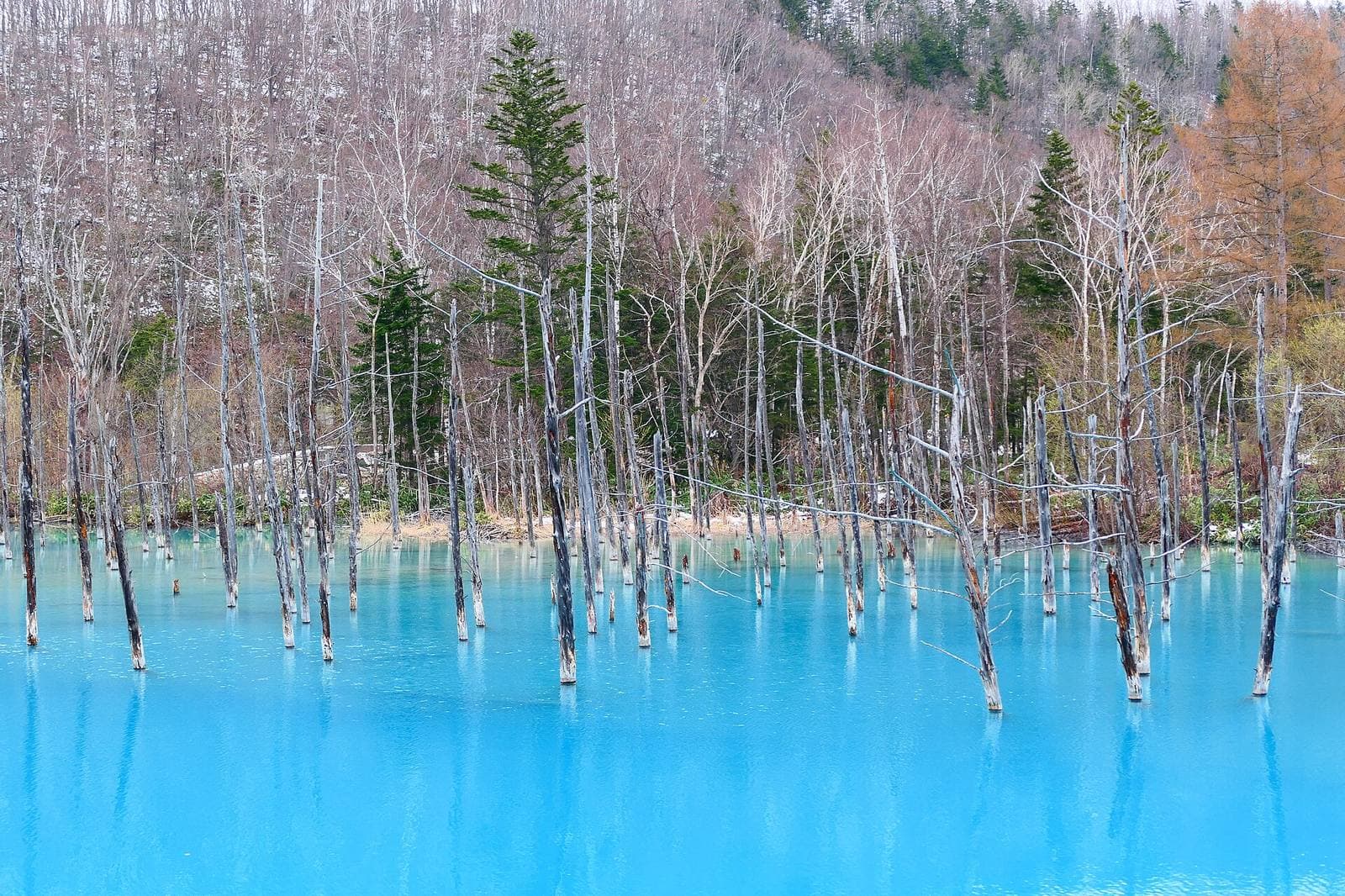
For a first 7-day Hokkaido itinerary, we recommend Sapporo and Otaru, two nights around Furano and Biei, then an overnight in Noboribetsu before returning to New Chitose Airport. This is a six-night plan for a trip that includes arrival and departure days. It leaves room for meals, weather changes and checking into your hotel.
The main route below is our suggested summer or early-autumn itinerary. It uses trains for the city portion and a rental car for the countryside. You can also travel without a car, but you will need to plan the journeys from rural stations to the sights separately. The alternative below explains where the two versions differ.
Choose a touring week or a Sapporo base
Choose the touring route below if two countryside mornings and a ryokan overnight matter more than keeping one hotel. Choose the Sapporo-based alternative later in this guide if you prefer unpacking once, travelling without a car and keeping more time for food and city walks. Both count arrival and departure within the seven days; they are alternatives, not two schedules to combine.
Compare five, seven and ten days before booking
The numbered routes are different trips, not shorter and longer versions of one loop. Choose the region, airport pair and transport first.
- Five days, four nights: the five-day guide offers a summer southwest driving loop through Otaru, Lake Toya and Hakodate, returning to New Chitose. Its separate car-free plan keeps three nights in Sapporo and one in Noboribetsu; it does not include Hakodate or the Furano/Biei stay.
- Seven days, six nights: use this route for two nights around Furano/Biei plus Noboribetsu, with New Chitose at both ends and a car for days 3–5. If keeping one hotel matters more, choose the Sapporo-based alternative below and give up the countryside and ryokan overnights.
- Ten days, nine nights: the ten-day route continues east through Obihiro, Akan–Mashu and Utoro. It assumes driving from day 3, departure from Memambetsu and a one-way rental return. It is not this seven-day route with three extra days, and it leaves out the Noboribetsu overnight.
If both flights must use New Chitose, spend extra nights within the seven-day route rather than squeezing an east-to-west return into the ten-day plan. For snow-season travel, start from the car-free winter week, not the summer driving schedules.
Seven days at a glance
| Day | Plan | Sleep | Transport decision |
|---|---|---|---|
| 1 | New Chitose Airport to Sapporo; an easy first evening | Sapporo | Airport train; no rental car needed yet |
| 2 | Otaru day trip, returning to Sapporo | Sapporo | Train both ways |
| 3 | Collect a car in Sapporo; drive to Biei | Biei or Furano | Make this a transfer day with one sightseeing stop |
| 4 | Furano and Biei countryside | The same hotel | Choose a few stops around your base |
| 5 | Return to Sapporo; return the car | Sapporo | Keep the afternoon flexible |
| 6 | Sapporo to Noboribetsu Onsen | Noboribetsu Onsen | Train to Noboribetsu Station, then local transport |
| 7 | Return to New Chitose Airport | — | Choose connections around your flight, not another sightseeing stop |
Book six nights: three in Sapporo (nights 1, 2 and 5), two at one base in Furano or Biei (nights 3 and 4), and one in Noboribetsu Onsen (night 6). If your flight leaves early on day 7, spend night 6 near the airport instead and save the onsen overnight for another trip.
Three bases, and the transfer into each
| Base | Nights | What it buys you | The transfer into it |
|---|---|---|---|
| Sapporo | 1, 2 and 5 | Otaru and the airport by rail, meals without a car, and a familiar hotel to come back to | Airport train on arrival; the drive back from Biei on day 5 |
| Furano or Biei | 3 and 4 | A morning start on the farms and viewpoints, with no drive out from Sapporo and back | A driving day out of Sapporo — treat it as the day's main event |
| Noboribetsu Onsen | 6 | An evening and a morning bath, which is the reason for the stop | Limited express to Noboribetsu Station, then a local bus or taxi uphill |
That is three base changes across the week — Sapporo to Furano or Biei, back to Sapporo, then on to Noboribetsu. Each one takes packing, checkout, the journey and check-in out of the day, so plan a single stop on those days rather than a full programme. We route back through Sapporo for two reasons: it splits the longest leg of the week into a driving day and a rail day, and it lets you end the car hire at a city office.
Is seven days enough?
Seven days is enough for this route when you keep the two countryside nights at one base and treat arrival and departure as travel days. It is not enough to add Hakodate, Niseko or eastern Hokkaido without replacing part of the route. With five days, choose Sapporo, Otaru and one additional area rather than compressing every stop here. With more time, compare the 10-day itinerary before adding another region.
Travelling in mid-July? The same seven days work, and they overlap the usual lavender window: Farm Tomita's Sakiwai Field lists early to mid-July. That makes days 3–4 around Furano and Biei the centre of the week, so check the farm's current flowering updates before you fix those two nights.
Day 1: Arrive in Sapporo
Take the airport train to Sapporo and check in before making sightseeing commitments. An evening around Odori or a meal near your hotel is enough after a flight. If you arrive early and feel rested, add a city walk; a delayed flight should not break the rest of your itinerary.
For a base with straightforward onward transport, compare the station area with Odori and Susukino in our Sapporo hotel-area guide. Keep the same hotel for your first two nights. Ask whether it can also accommodate your return on night 5; luggage storage between stays is a hotel-specific service, so confirm rather than assume.
JR Hokkaido's airport-train guide explains the services between New Chitose Airport, Sapporo and Otaru. Check the timetable for your arrival date.
Day 2: Otaru from Sapporo
Visit Otaru as a day trip so you do not have to repack. Build the day around the canal and a meal, then choose either the shops around Sakaimachi or more time by the waterfront. Leave the evening open for Otaru or Sapporo rather than trying to fit in both dinner plans.
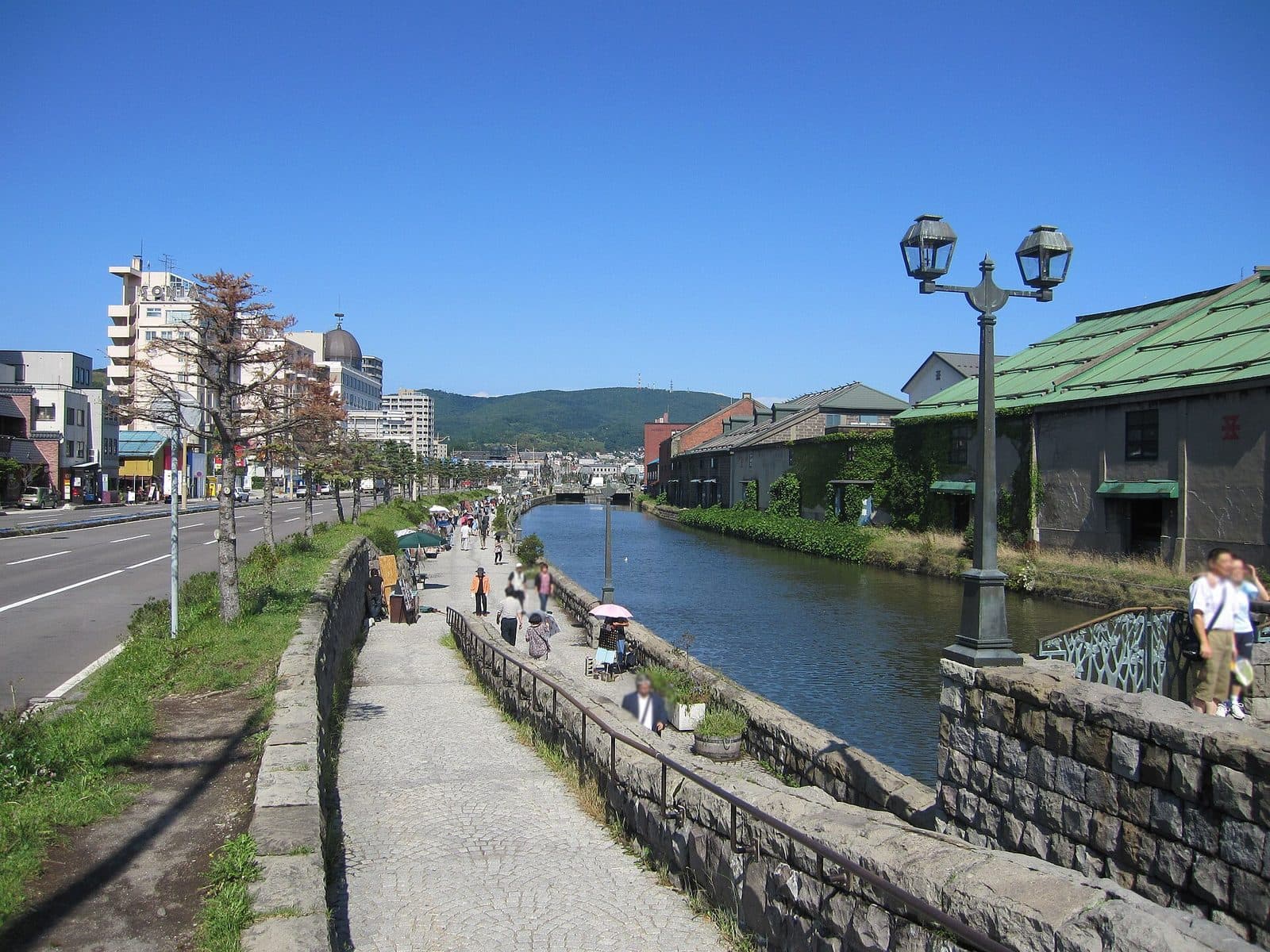
JNTO's Otaru guide gives approximately 30–35 minutes by rapid train from Sapporo Station. That is station-to-station travel: walking to your hotel, waiting for the train and reaching the canal take additional time.
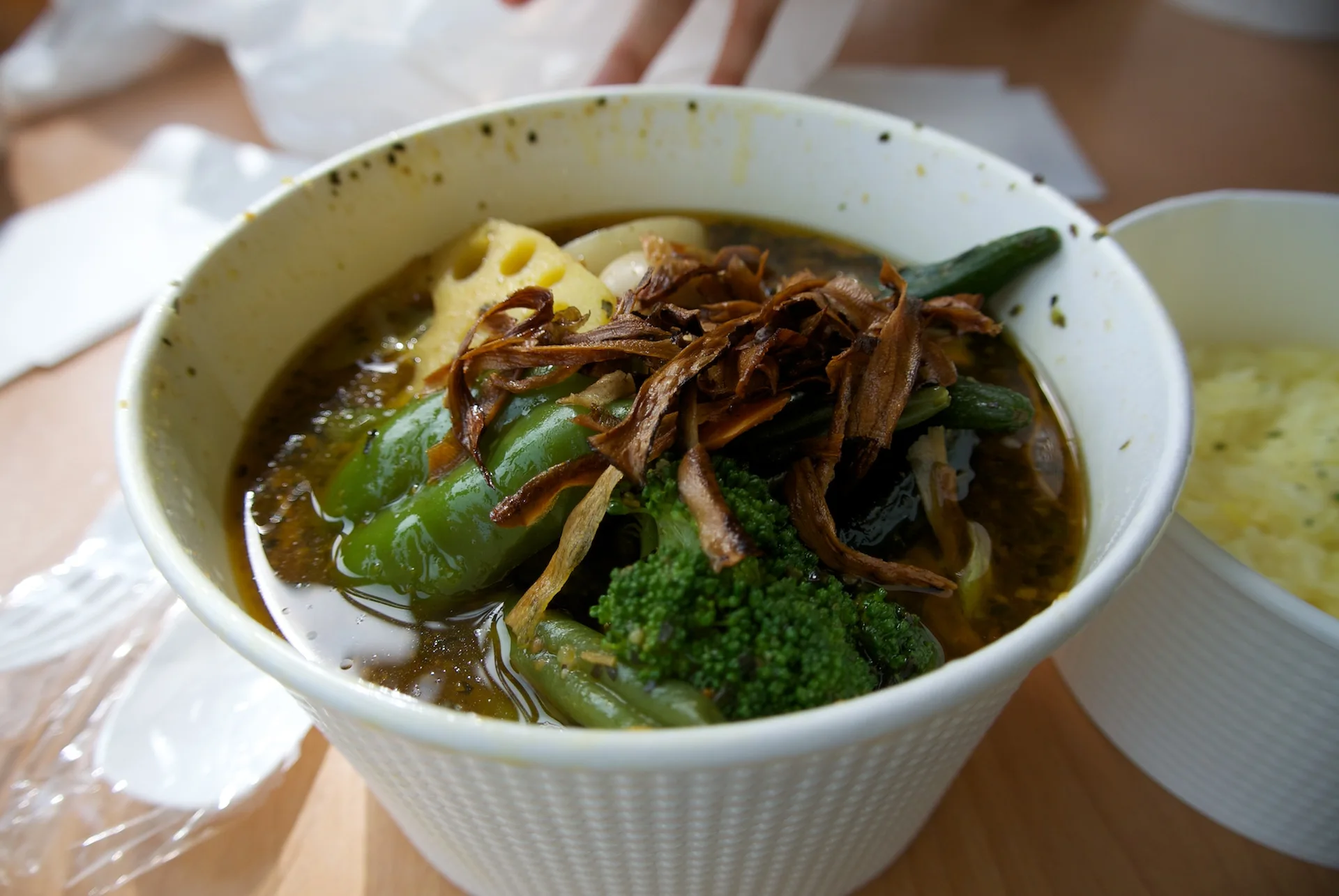
For your Sapporo evenings, our food guide helps you choose between ramen, soup curry and other local dishes without turning every meal into a cross-city journey.
Day 3: Sapporo to Biei, with time to arrive
Collect your rental car in Sapporo after the city portion of the trip. Before booking, check the branch location, opening hours, return arrangements and what is included in the quote. This plan returns the car to Sapporo on day 5; it does not require an airport pickup.
The Biei Tourism Association's access guide lists approximately 2 hours 30 minutes from Sapporo IC to Biei, using the expressway route via Asahikawa-Takasu IC. The starting point matters: this is not a hotel-to-hotel promise. Add car collection, the journey out of central Sapporo, breaks and any traffic.
Treat one countryside stop as a bonus after the transfer, not a requirement before check-in. Choose Biei if its hills are your main interest, or Furano if most of your planned stops are farther south. Read the Furano and Biei guide before choosing the hotel, then use the same base for both nights.
Day 4: One full day around Furano and Biei
Start near your overnight base and work outward. A manageable plan is one flower garden or landscape stop in the morning, lunch, and one further stop in the afternoon. Parking, walking and photography are part of the day, not gaps between driving estimates.
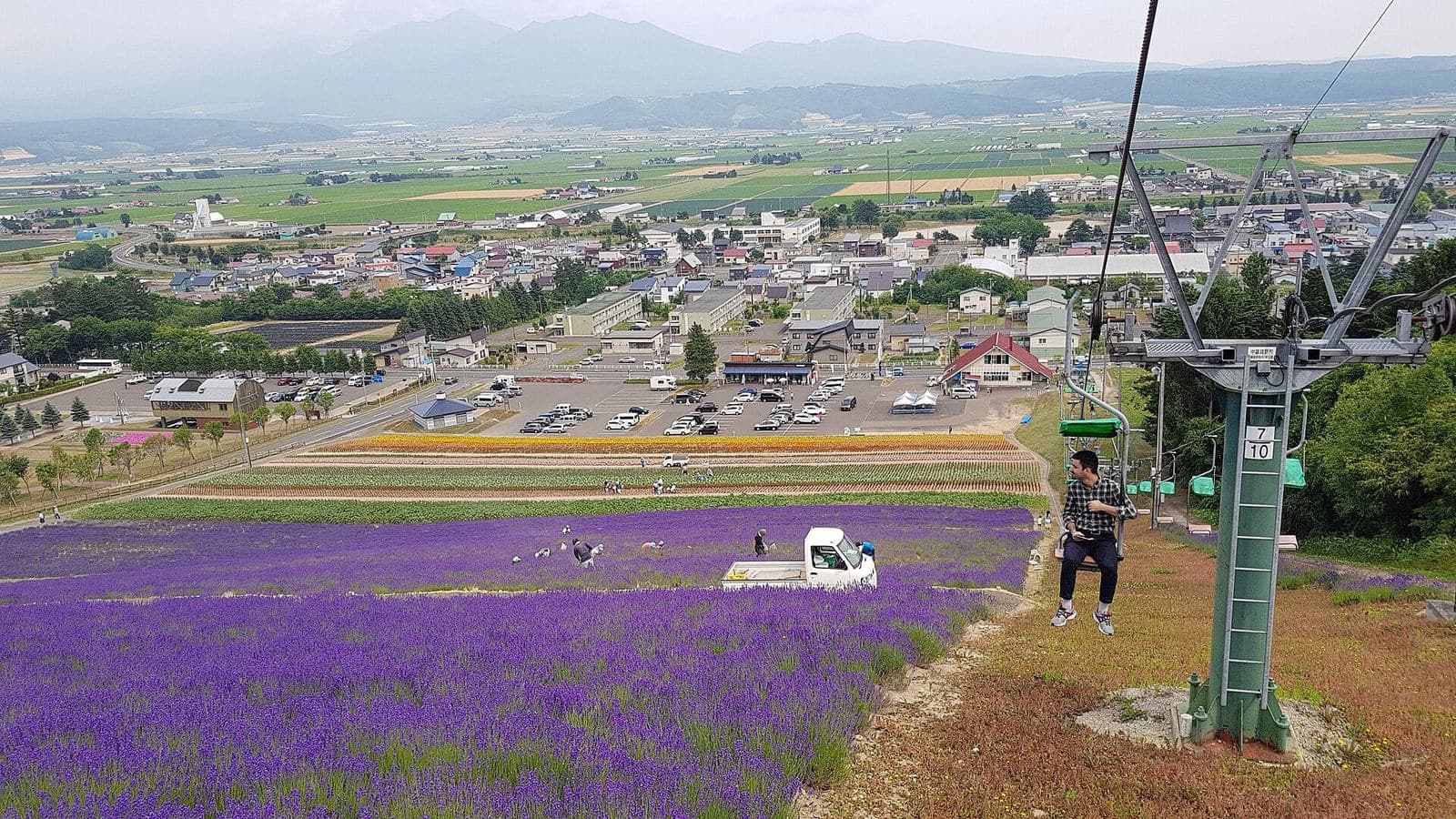
Furano and Biei are separate towns. The tourism association's access figures put the journey between them at approximately 34 km and 40 minutes by car. A round trip plus side roads to individual attractions takes longer.
If lavender is your reason for coming, check the actual field and flowering season. For example, Farm Tomita's Sakiwai Field lists early to mid-July. This is not a promise of purple fields throughout summer or autumn. Before driving out, check the farm's current updates and opening information.
The agricultural scenery is a working landscape. Stay on permitted paths and use designated parking; Biei's tourism association explains that the fields are private farmland. An apparently empty field is not a public photo location.
Day 5: Return to Sapporo
Leave time for the return drive and the rental branch's handover process. A quiet morning near your hotel is more useful than adding a distant attraction that puts your return time at risk. Check the route on the day; the outward travel estimate is not a guarantee for the return journey.
Spend the evening in Sapporo and prepare for the onsen overnight. This stop breaks up the countryside-to-onsen transfer and gives you another city evening. It also means you can give back the car before the rail portion, rather than paying for a vehicle to sit outside a ryokan.
Why not drive straight from Furano to Noboribetsu? You can, and more than one road route exists, so the question is what the day is for rather than whether it is possible. Check the drive between your actual two hotel addresses in a route planner, add the stops and breaks you want, and compare the result with the ryokan's check-in and dinner times. If the arrival fits comfortably, the direct leg is a reasonable choice — but it is a transfer day, not a sightseeing one, and you still have to return the rental car afterwards from the onsen side. Our Furano and Biei to Noboribetsu guide has the expressway times and tolls for both routes.
Putting night 5 in Sapporo is our preference because it splits the long transfer into a driving day and a rail day, and lets you end the car hire in the city rather than parking it outside a ryokan overnight. Whichever version you choose, the arrival deadlines are the constraint; our Otaru to Noboribetsu guide covers the same dinner and last-connection questions from the rail side.
Day 6: Noboribetsu Onsen
Travel from Sapporo to Noboribetsu Station, then continue to the hot-spring town. Noboribetsu Station and Noboribetsu Onsen are not the same location. JNTO places the onsen roughly eight kilometres from the station; plan the local bus or taxi connection as well as the train.
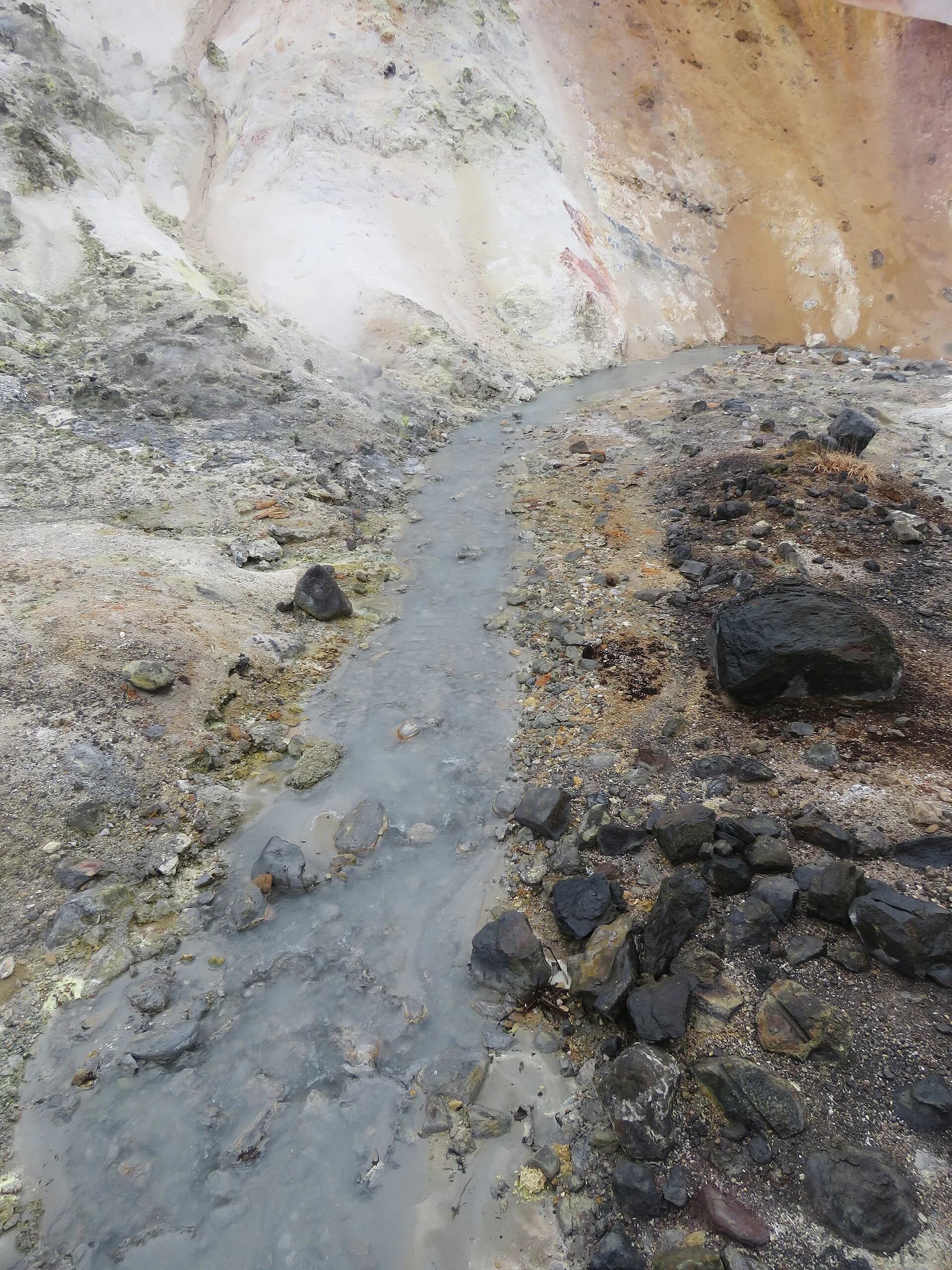
Choose accommodation in the onsen area if an evening bath and a ryokan dinner are the purpose of this stop. Confirm the meal plan, check-in deadline and bathing policies directly with the property. Do not assume that a room-only booking includes dinner or that late arrival is compatible with a set meal service.
Once checked in, use the remaining daylight for a short walk if conditions allow. Keep this day about the onsen overnight, rather than adding Lake Toya and another long transfer.
Day 7: Leave enough time for the airport
Plan the airport journey backward from your airline's check-in deadline. Include the trip from the onsen to the station, the train connections and airport procedures. The rail journey from Noboribetsu to New Chitose Airport requires a change at Minami-Chitose; use the official transport overview and current timetables to check your specific departure.

An early flight changes the plan. In that case, replace the night-6 onsen stay with accommodation near the airport, or shorten the trip elsewhere to visit Noboribetsu earlier. Do not book an early flight first and hope a convenient morning connection exists.
Can you do this week without a car?
Yes, with a different plan for the countryside days. Sapporo and Otaru fit the rail portion, and Noboribetsu needs a local connection after the train. The harder part is reaching individual gardens, viewpoints and rural accommodation around Furano and Biei.
The Biei access guide describes the rail route from Sapporo via Asahikawa, as well as the local connection between Furano and Biei. Reaching a station is only the first step: check the onward bus, taxi or tour before booking an out-of-town hotel.
For days 3–4, choose either a station-area base with pre-arranged local transport, or stay in Sapporo and book a sightseeing excursion that explicitly includes the places you want. Confirm the pickup point, operating date and return time. Do not assume a seasonal sightseeing train or tour runs every day of your visit; consult JR Hokkaido's Furano and Biei information.
Seven days based in Sapporo: an alternative without hotel changes
If you searched for a 7-day Sapporo itinerary, you can spend all six nights in one Sapporo hotel and make selected day trips. For an early departure, check that transport from Sapporo reaches the airport in time; otherwise move the final night near the airport. This version gives up the rural overnight stays and the Noboribetsu ryokan night. It suits a slower city-focused week; it does not cover the same ground as the touring route above.
| Day | Suggested plan | What to arrange |
|---|---|---|
| 1 | Arrive, check in and eat near your hotel | Airport connection and late check-in if needed |
| 2 | Central Sapporo: an Odori walk, a meal and time to explore | Choose one area rather than crossing the city for every stop |
| 3 | Otaru canal, Sakaimachi and lunch; return to Sapporo | Return train and a meal that fits the walking route |
| 4 | Jozankei for a walk and, if available, a day-use bath | Outbound and return bus; day-use admission directly with the bath facility |
| 5 | A seasonal countryside excursion, or another Sapporo day | For Furano or Biei, confirm a tour's actual stops, operating date and return time before booking |
| 6 | A flexible Sapporo day for a missed outing, food and shopping | Keep room for weather changes rather than adding another long journey |
| 7 | Airport and departure | Work backwards from the airline's deadline |
This is our suggested sequence, not a timed package. You can swap the outdoor days according to weather and bookings. For day 4, the Jozankei Tourism Association's access page lists bus options from Sapporo and Makomanai. Check the operator's current service and reservation requirements as well as the return journey. A transport ticket does not automatically include bathing admission.
For day 5, a Furano/Biei excursion is a longer day out, not a relaxed substitute for two nights in the countryside. If no suitable service operates on your date, stay in Sapporo instead of assuming you can connect all the rural sights by public transport. In mid-July, decide whether the flower fields are the priority: if they are, the main itinerary's two countryside nights may suit you better.
Choose a base using our Sapporo hotel-area guide. Plan the Otaru meal with the Otaru food guide, and compare other excursions in day trips from Sapporo. For city-day ideas and seasonal information, use the official Sapporo sightseeing website.
What changes in autumn or winter?
Autumn: the six-night structure holds, but four things change.
- Days 3–4 need a different reason. The lavender fields are a July subject. In autumn the same base works for the hills, the tree-lined roads and the harvest landscape around Biei, but check individually which farms and gardens are still open — several seasonal businesses close before the end of the season.
- Daylight is shorter. A countryside day that works in July runs out of light in October. Move the furthest stop to the morning and keep the afternoon close to your base.
- Foliage timing varies with elevation as well as the calendar. Higher ground usually turns earlier, so the Daisetsuzan mountains often colour well before the towns do, and the weather of that particular autumn moves the timing again. Check the current official reports rather than last year's dates. If foliage is the point of the trip, our Daisetsuzan guide and the autumn guide are the starting points — but a mountain excursion is its own access and weather problem, not a detour you can add to day 4.
- The onsen night is worth settling early. A ryokan with dinner ties you to a check-in time and a meal sitting, which makes it the least flexible booking of the week. Fix night 6 first and arrange the rest around it.
Keep the same three base changes. Autumn is not a reason to add a fourth.
Winter: do not reuse the summer driving assumptions. A city-and-onsen week or a trip centred on one ski area is a different itinerary. If Niseko is the priority, use the Niseko accommodation guide and New Chitose-to-Niseko transport guide to build around that stay. For the winter train, bus and transfer choices between the airport, Sapporo, Otaru and Niseko, see Hokkaido winter transport; it is a separate winter plan, not a snow version of this route.
Should you add Hakodate, Niseko or eastern Hokkaido?
Choose a substitution rather than another stop. For a Hakodate-focused week, replace the two countryside nights and rebuild the train or driving schedule around southern Hokkaido. For skiing, replace that portion with a Niseko stay. If Shiretoko or Kushiro is the main reason for visiting, start with an eastern route and reconsider the arrival airport.
This itinerary deliberately leaves out Tokachi, Hakodate and Niseko overnight stays. It is an editorial choice to limit transfers, not a claim that those places are less worthwhile. Compare the regional choices in our Hokkaido itinerary planning guide.
Common questions
Can I go straight from Furano to Noboribetsu? Yes, if you check the route between your real addresses and the arrival still fits the ryokan's check-in and dinner times. Treat it as a transfer day rather than a scenic one. This plan uses a Sapporo night instead, to split the leg and to end the car hire in the city. The expressway section from Shimukappu IC is about 1 hour 48 minutes — see Furano and Biei to Noboribetsu.
How long is the drive from Otaru to Noboribetsu Onsen? This plan makes that journey by train via Sapporo, not by car. If you drive it, the expressway section from Otaru IC to Noboribetsu-Higashi IC is about 1 hour 31 minutes on NEXCO East's route search (checked 3 October 2026), before the roads at either end. Our Otaru to Noboribetsu guide has the tolls and the rail and bus options.
Do I need a car for all seven days? No — this plan uses one for days 3 to 5 only. Sapporo, Otaru, Noboribetsu and both airport journeys work on rail plus a local connection.
Does this itinerary work in autumn? Yes, with the day 3–4 stops chosen for the season rather than for lavender, and with a shorter afternoon. See the autumn adjustments above.
What if my first flight lands late? Night 1 keeps little fixed, so a late arrival mostly costs the evening — but tell the hotel your new arrival time, and check the morning's first departure before you go to sleep. If you land too late to reach Sapporo at all, landing late at New Chitose covers the options.
How far ahead should I book? Night 6 first: a ryokan with dinner comes with a check-in deadline and a meal time, so it is the booking with the least room to move. The Sapporo nights are the easiest to change.
Where your luggage goes between the six nights
This touring route returns to Sapporo on night 5, but it does not return there after the Noboribetsu stay. Plan the bags against those overnight stops before choosing a smaller rental car or booking luggage delivery. The options below are planning choices, not a promise that a hotel provides storage or accepts deliveries.
- Days 3–5: carry everything, or arrange storage between stays. Carrying all bags keeps them with you if the route changes; ask the rental branch whether your passengers and actual bag dimensions fit together. Alternatively, ask the Sapporo hotel whether it can hold specified bags from checkout on day 3 until your return on day 5, across the two booking references. Confirm charges, collection hours and what happens if your return is delayed. A second reservation does not itself confirm storage. Pack the countryside nights separately only after receiving an answer.
- Day 5: decide the handover order. If you carry everything, compare dropping bags at the hotel before returning the car with taking them from the rental branch to the hotel afterwards. Check whether pre-check-in storage is available and leave time for unloading, refuelling and vehicle inspection. A car-return deadline is not the time to begin moving luggage out of the boot.
- Days 6–7: take the bags onward, or confirm a delivery plan. Bags left in Sapporo would require a collection detour before the airport. If carrying them, check the luggage arrangements for the train and local connection as well as the ryokan's storage before check-in. If considering delivery, first confirm the carrier's collection deadline, eligible contents and destination-specific delivery date, plus the receiving property's acceptance and booking-name requirements. Do not build a one-night stay around an assumed next-day arrival. Airport collection needs its own eligible terminal, counter hours and timing check.
For example, leaving a large suitcase in Sapporo for the two countryside nights can work with this route; leaving it there for the final onsen night changes the departure-day route. Keep travel documents, medicines and the essentials needed until confirmed collection with you. If storage or delivery cannot be confirmed, compare taking the bags throughout with the Sapporo-based alternative rather than relying on an unbooked service.
Use the transport comparison for the car-to-rail change and add any storage, delivery and collection travel costs to the trip budget. Record each bag's location and collection date beside the six hotel nights, so every traveller knows what they will have that evening.
Turn the outline into your bookings
- Confirm your arrival and departure airports and flight times.
- Confirm car availability for days 3–5 or rural transport connections, and check that the night-6 location works with your flight.
- Reserve the six nights and the transport you have checked.
- Check opening dates, train connections, meal deadlines and cancellation conditions.
Use our free Hokkaido planner to explore other routes. It generates a route from your preferences; it does not load this six-night schedule verbatim. Compare its suggestions with your hotel locations and current transport information before booking.
Transport sources checked September 8, 2026; the sections added on September 23 and October 3, 2026 cite the sources named within them. The overnight sequence is our suggested plan; transport estimates are attributed to the official sources above and exclude sightseeing and waiting time.
Sapporo-based alternative added on 12 October 2026; official Sapporo and Jozankei information checked on that date. Check individual facilities and services before booking.
Book what's in this guide
These are affiliate links. We may earn a commission if you book — the price you pay is the same. Learn more

Northern Land Hokkaido Team — Sapporo, Japan