NORTHERN LAND HOKKAIDO

One of Hokkaido's 179 towns

Otaru小樽市

A herring-boom port that never quite stopped glowing

Shiribeshi region · Otaru's canal, Yoichi whisky, Niseko snow and the Shakotan coast.

Canal townSushiDay trip

Canal-side gas lamps, herring-boom mansions and sushi counters an easy day trip from Sapporo — better overnight, after the crowds leave.

Otaru is a port city on Ishikari Bay, west of Sapporo. Its canal, stone warehouses and former bank buildings make the centre rewarding to explore on foot. For a first visit, start with the canal and Sakaimachi Street, then choose either Mt. Tengu for views over the city or Shukutsu for the coast. Staying overnight gives you time for the canal after dark without planning your evening around the return train.

Otaru at a glance

Region
Shiribeshi (後志)
From New Chitose Airport
~99 km · 1.5 h summer / 1.8 h winter
From Sapporo
~43 km · 42 min summer / 48 min winter
Best season in Shiribeshi
Winter for skiing around Niseko; summer for the Shakotan coast and Yoichi fruit, after checking current trail closures. Otaru works in any season.

Drive estimates: straight-line × 1.35, at 65 km/h (summer) / 55 km/h (winter). How we calculate

Plan your time in Otaru

For a first visit, make the walk through the centre your starting point. Add either Mt. Tengu or Shukutsu according to the scenery you want. The time budgets below are suggested time in Otaru, including meals and sightseeing, not transport schedules.

Half day · 4–5 hours: Otaru Station → canal → former banking district → lunch and shopping on Sakaimachi Street.

Full day · 7–8 hours: Add Mt. Tengu or Shukutsu. Include local travel and waiting time in this budget; shorten the central walk if you want a longer museum or aquarium visit.

With an overnight stay: Explore the centre and canal on day one, then the mountain or coast the next day. In winter, put outdoor sightseeing earlier in the day.

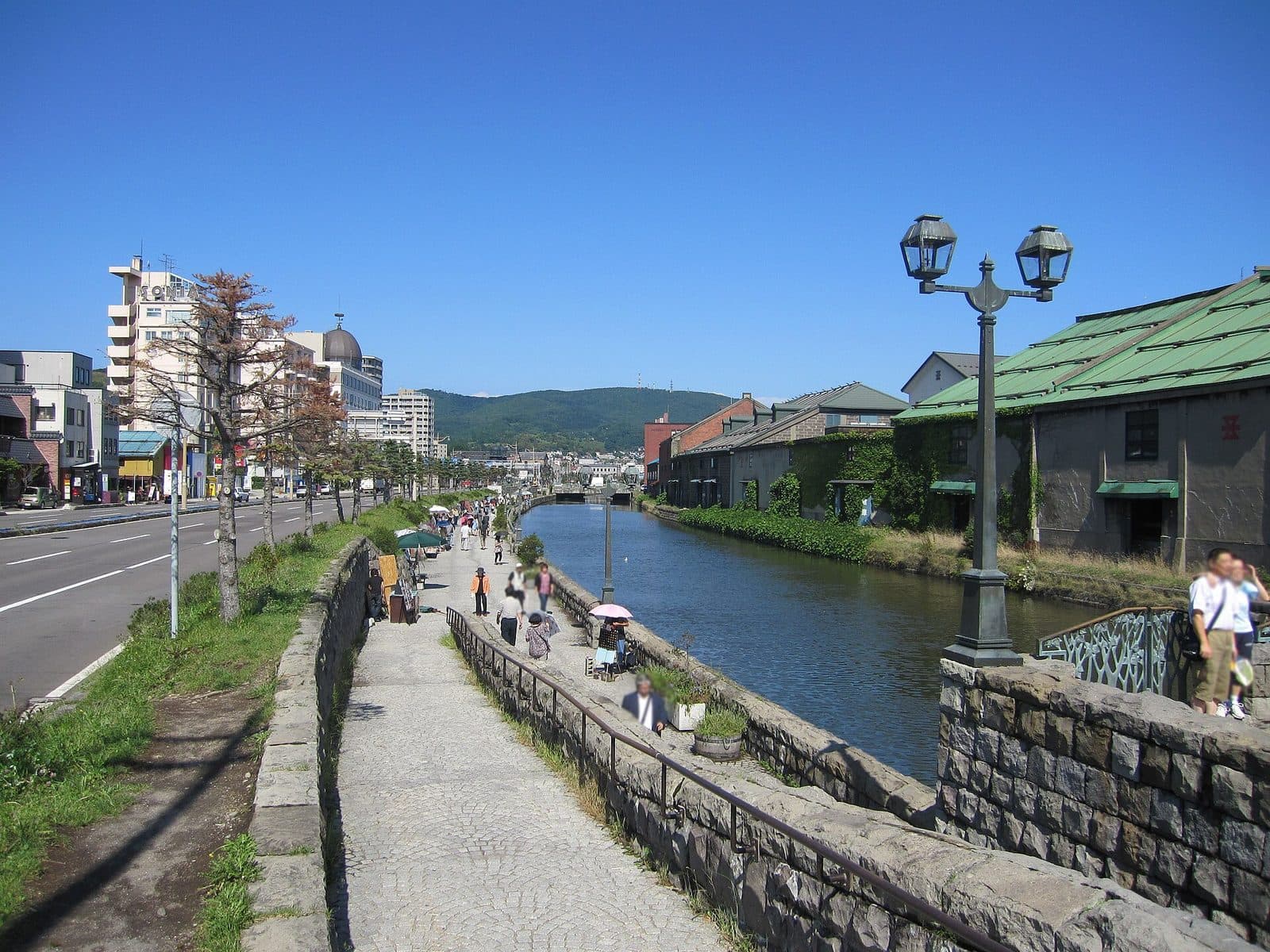
Stone warehouses beside the Otaru Canal, pictured in the snow-free season.
Stone warehouses beside the Otaru Canal, pictured in the snow-free season.Sho Horiuchi, CC BY-SA 3.0, via Wikimedia Commons · Resized and cropped for display

Walk the canal and former banking district

Start beside the canal, then head inland towards the former banking district. Decide whether you want a walk past the buildings or time inside a museum: the latter needs a longer stop. Leave room for photographs rather than scheduling every minute.
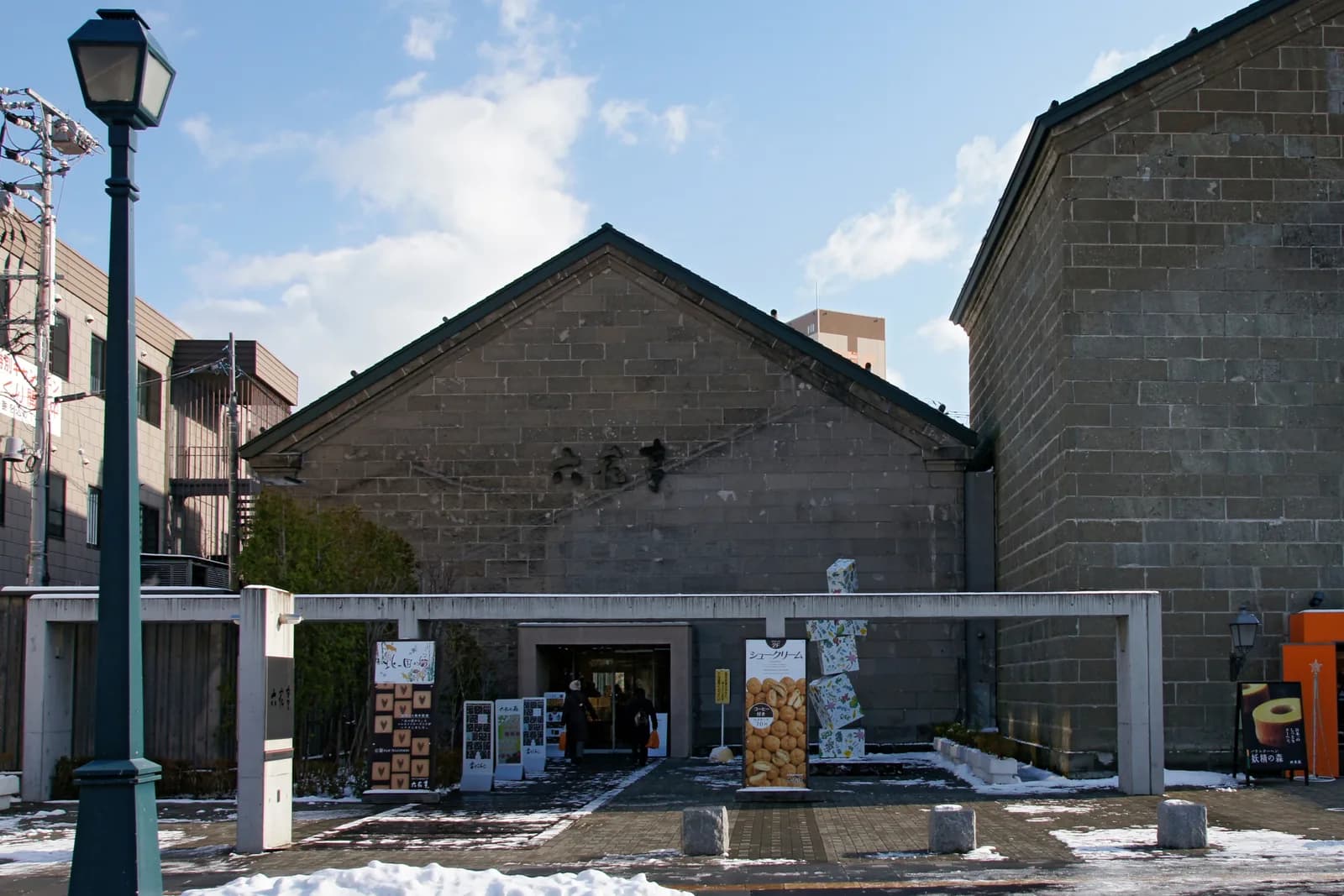
Rokkatei on Sakaimachi Street, photographed in 2011.
Rokkatei on Sakaimachi Street, photographed in 2011.663highland CC BY-SA 3.0 · Resized and cropped for display

Browse Sakaimachi Street and stop for lunch

Browse glassware and music boxes, with time for lunch or a sweet snack. Store bulky luggage before walking if you plan to shop. At the southern end, check the map before deciding whether to return to Otaru Station or use Minami-Otaru Station.

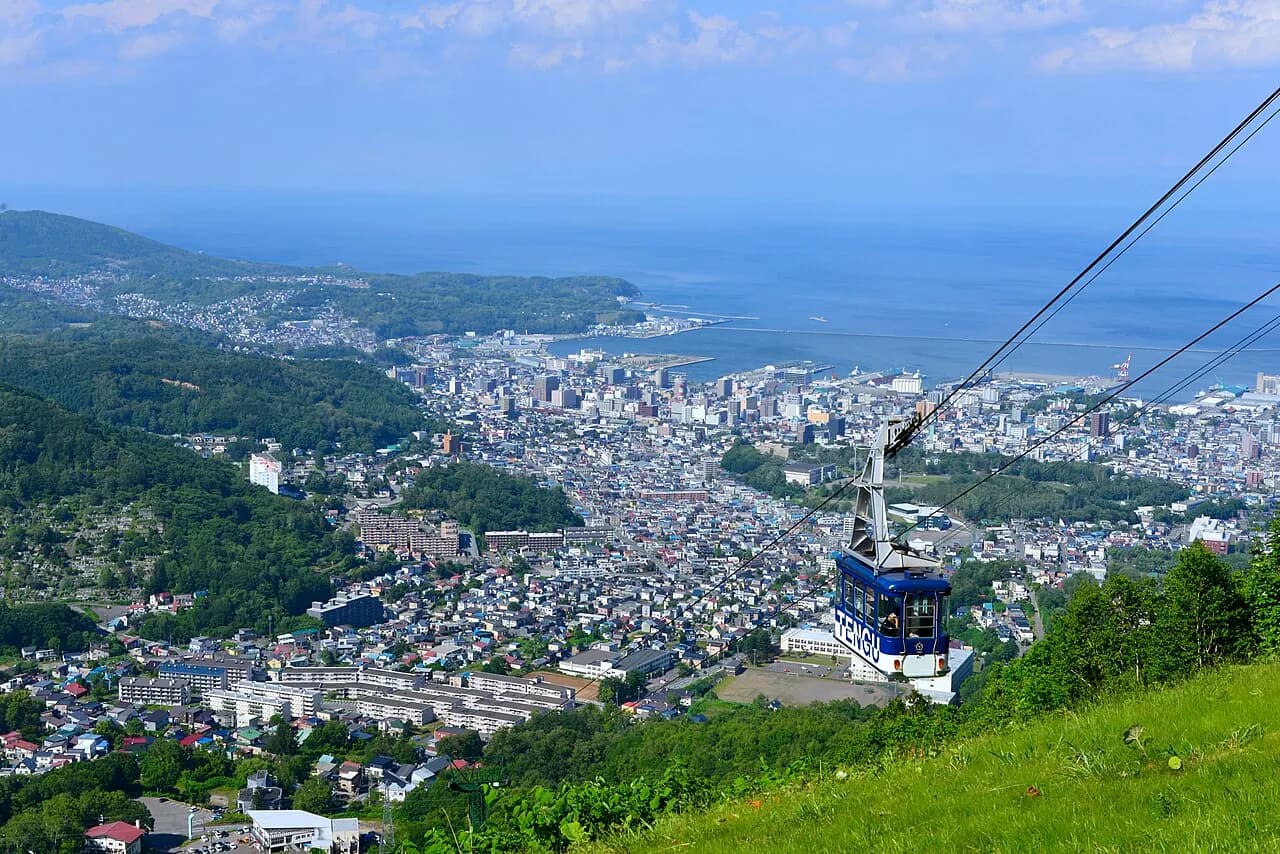
Otaru and Ishikari Bay from Mt. Tengu, June 2022.
Otaru and Ishikari Bay from Mt. Tengu, June 2022.皓月旗 CC BY-SA 4.0 · Resized and cropped for display

Choose Mt. Tengu for a view over the port

Mt. Tengu brings the city and sea into one view. Allow separate time for transport to the base and the return ropeway ride. For an evening visit, check operating information and your journey back first. If cloud hides the mountain, spend longer in town instead.

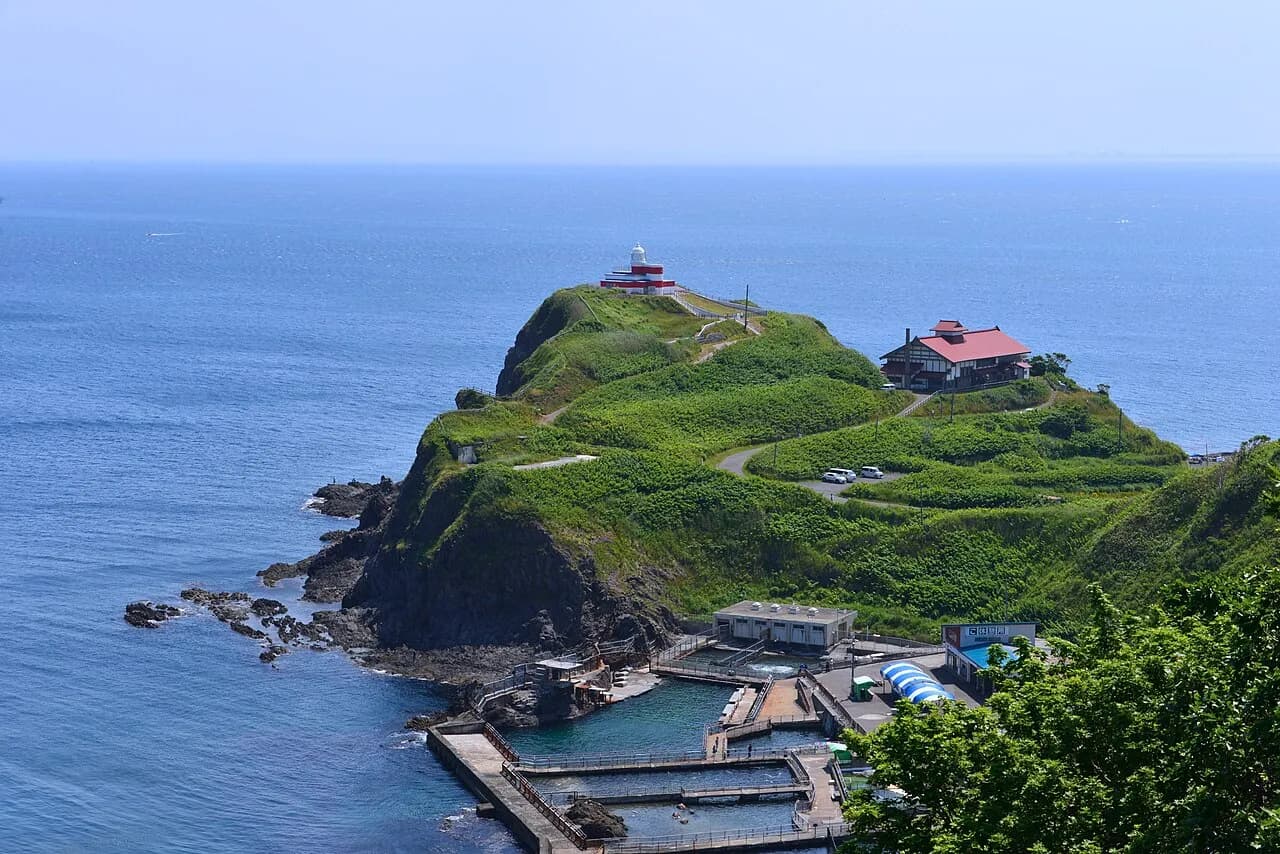
The coast and Otaru Herring Mansion from the Shukutsu panorama viewpoint, June 2022.
The coast and Otaru Herring Mansion from the Shukutsu panorama viewpoint, June 2022.皓月旗 CC BY-SA 4.0 · Resized and cropped for display

Choose Shukutsu for the coast

Shukutsu offers a coastal side of Otaru beyond the canal. Pick a main stop—the aquarium, Herring Mansion or viewpoint—rather than rushing through all three. The area requires a separate journey from the centre, and the viewpoint involves an uphill approach. Without a car, check both bus journeys and the walk from your stop.

Rain, snow and travelling without a car

On a rainy day, shorten the canal walk and spend more time at indoor exhibitions such as Otaru Art Base or in Sakaimachi shops. You still need rainwear between buildings. In snow, choose footwear with grip, avoid steep walking routes where possible and allow longer for the same distance.

Rail and walking work for central Otaru. Even with a car, parking once and exploring the canal and Sakaimachi on foot is a practical approach. Plan transport to Mt. Tengu or Shukutsu before fixing meal or attraction reservations.

Read the detailed Otaru day-trip guide →

Planning sources (checked 9 September 2026): Otaru Tourism Association maps · Mt. Tengu operating information

Getting to Otaru

For the central walking route, arrive at JR Otaru Station from Sapporo. Check the timetable for your chosen service, including any connection from New Chitose Airport. By car, use the Sasson Expressway or Route 5 and choose a car park near your first stop. Mt. Tengu and Shukutsu require a separate local journey; check the return service before leaving the centre.

Shiribeshi region: JR links New Chitose Airport and Sapporo with Otaru. For Niseko, choose your hotel first, then a seasonal airport bus or JR with a local transfer. For Cape Kamui, change at Bikuni to the town bus and check whether it serves your stop on your date.

When to visit Otaru

Choose a snow-free visit for a longer walking day, or winter for the canal in snow. Winter footing and shorter daylight call for a smaller outdoor itinerary. For the Snow Light Path or other events, confirm that year's dates before booking; an ordinary winter evening is not the same as a festival visit.

What to eat in Otaru

Sushi and seafood are natural choices, while ankake yakisoba is another local option. Sakaimachi also works for a sweet snack between shops. Pick one main meal and leave room for a break rather than planning several full meals. Check the menu on the day if you have a particular fish or shellfish in mind: availability varies.

Make room for local food

Plan sushi or a seafood bowl before a Sakaimachi café stop. The food guide compares a station-first walk with a route built around a restaurant booking. For a day trip from Sapporo, choose your return train too.

Choose places and plan your food stops →

Otaru in context: the Shiribeshi region

·

Click a town to open its page

Shiribeshi is a region of western Hokkaido made up of 20 municipalities, from Otaru and Yoichi on the coast to Kutchan and Niseko inland. In winter, Niseko and Kutchan are bases for skiing within sight of Mt. Yotei. In any season, Otaru's canal, stone warehouses and sushi counters make a day trip from Sapporo.

Read the Shiribeshi region guide →

Towns near Otaru

Read next

Otaru Day Trip

Take the train from Sapporo to Otaru, then walk the canal and Sakaimachi. Check fares, IC cards, where to leave luggage, return stations and a relaxed half-day route.

Read →

Sapporo & Otaru in 3 Days

A car-free 3-day Sapporo and Otaru itinerary with two nights in one hotel, winter adjustments, a bad-weather alternative and airport transfer planning.

Read →

Hokkaido in Winter Without Skiing: Snow Play, Onsen & Routes

A Hokkaido winter trip without skis: compare snow play at Takino, Sapporo food and indoor days, a Jozankei day-use bath and an optional Asahiyama Zoo extension, with a car-free Sapporo-based 3-night plan, swaps for bad weather and checks before each outing.

Read →

Hokkaido Trip Budget: Build Your Own Cost Estimate

Budget for Hokkaido by room, traveller and travel day. Compare train and rental-car totals, avoid counting meals twice, and keep cancellation and weather costs visible.

Read →

Hokkaido with Kids: Bases, Transport and a 5-Day Plan

Plan a family trip to Hokkaido with fewer hotel changes: a five-day Sapporo base, AOAO SAPPORO or Shiroi Koibito Park indoors, car or train, and room checks.

Read →

Hokkaido Rail Pass 2026: Prices, Area Passes and When It Pays Off

JR Hokkaido's passes for overseas visitors: the Hokkaido Rail Pass costs ¥22,000 for 5 days (¥28,000 for 7, ¥37,000 for 10) bought in advance, and 4-day area passes cover Sapporo–Noboribetsu (¥10,000) or Sapporo–Furano (¥11,000). Coverage, rules and how to decide.

Read →