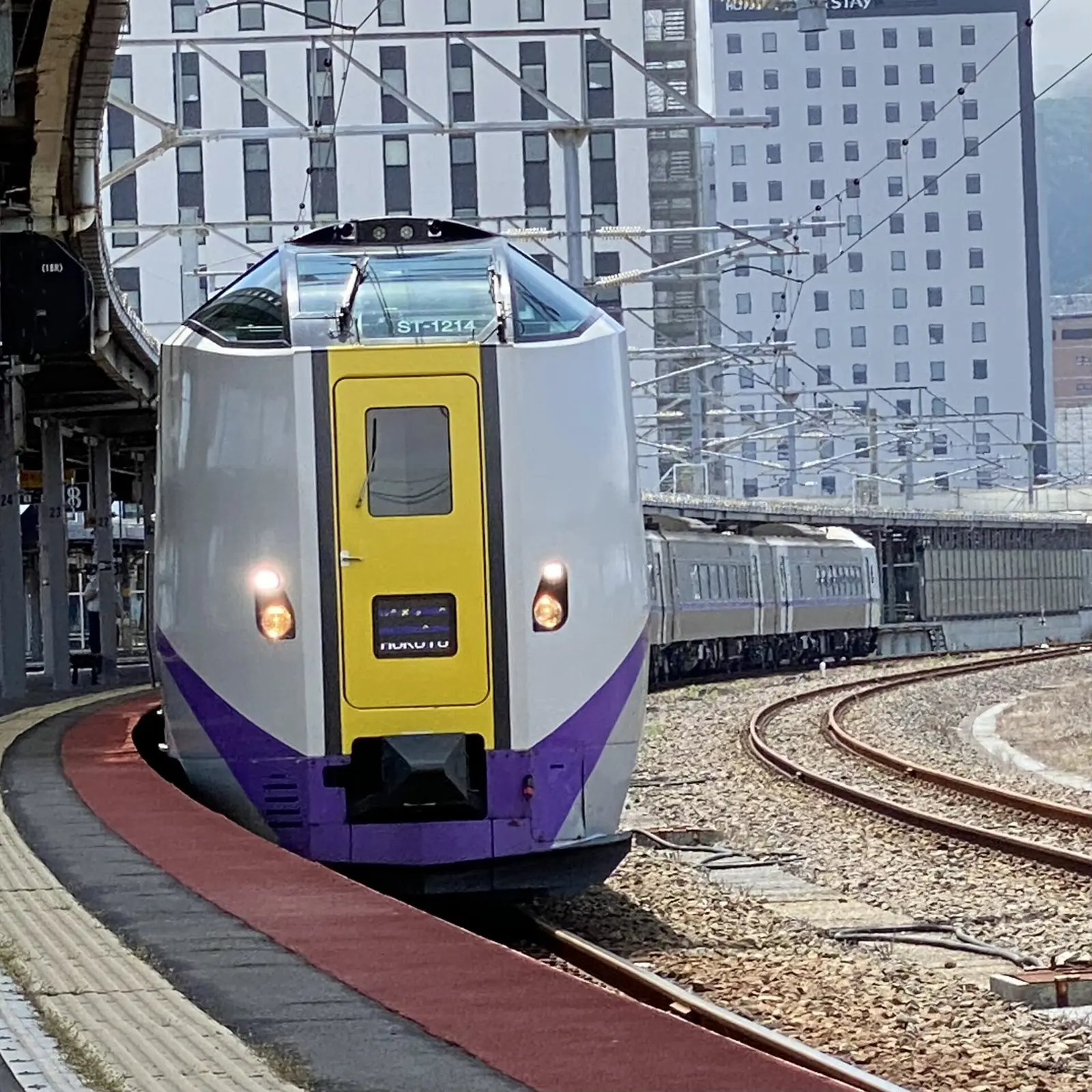
JR Hokkaido sells three rail passes to visitors with a non-Japanese passport. The Hokkaido Rail Pass covers all JR Hokkaido lines (except the Hokkaido Shinkansen) for 5, 7 or 10 consecutive days, from ¥22,000 for adults bought in advance. Two cheaper 4-day area passes cover the Sapporo–Noboribetsu area (¥10,000) or the Sapporo–Furano area (¥11,000).
Prices at a glance
| Pass | Days | Adult, pre-purchase | Adult, at a station | Child (6–11), pre-purchase |
|---|---|---|---|---|
| Hokkaido Rail Pass | 5 consecutive days | ¥22,000 | ¥23,000 | ¥11,000 |
| Hokkaido Rail Pass | 7 consecutive days | ¥28,000 | ¥29,000 | ¥14,000 |
| Hokkaido Rail Pass | 10 consecutive days | ¥37,000 | ¥38,000 | ¥18,500 |
| Sapporo–Noboribetsu Area Pass | 4 consecutive days | ¥10,000 | ¥11,000 | ¥5,000 |
| Sapporo–Furano Area Pass | 4 consecutive days | ¥11,000 | ¥12,000 | ¥5,500 |
"Pre-purchase" means buying an exchange order from a major travel agent outside Japan or through JR-EAST Train Reservation; the station price applies when you buy at a designated JR Hokkaido station. All prices are from JR Hokkaido's official rail pass page, checked on 15 October 2026.
Who can use them
JR Hokkaido states that all non-Japanese passport holders can use the rail passes, and that you must show your valid passport when you exchange or buy one; a residence card or a copy of a passport is not accepted. Each pass runs for consecutive days from the start date you choose.
What each pass covers
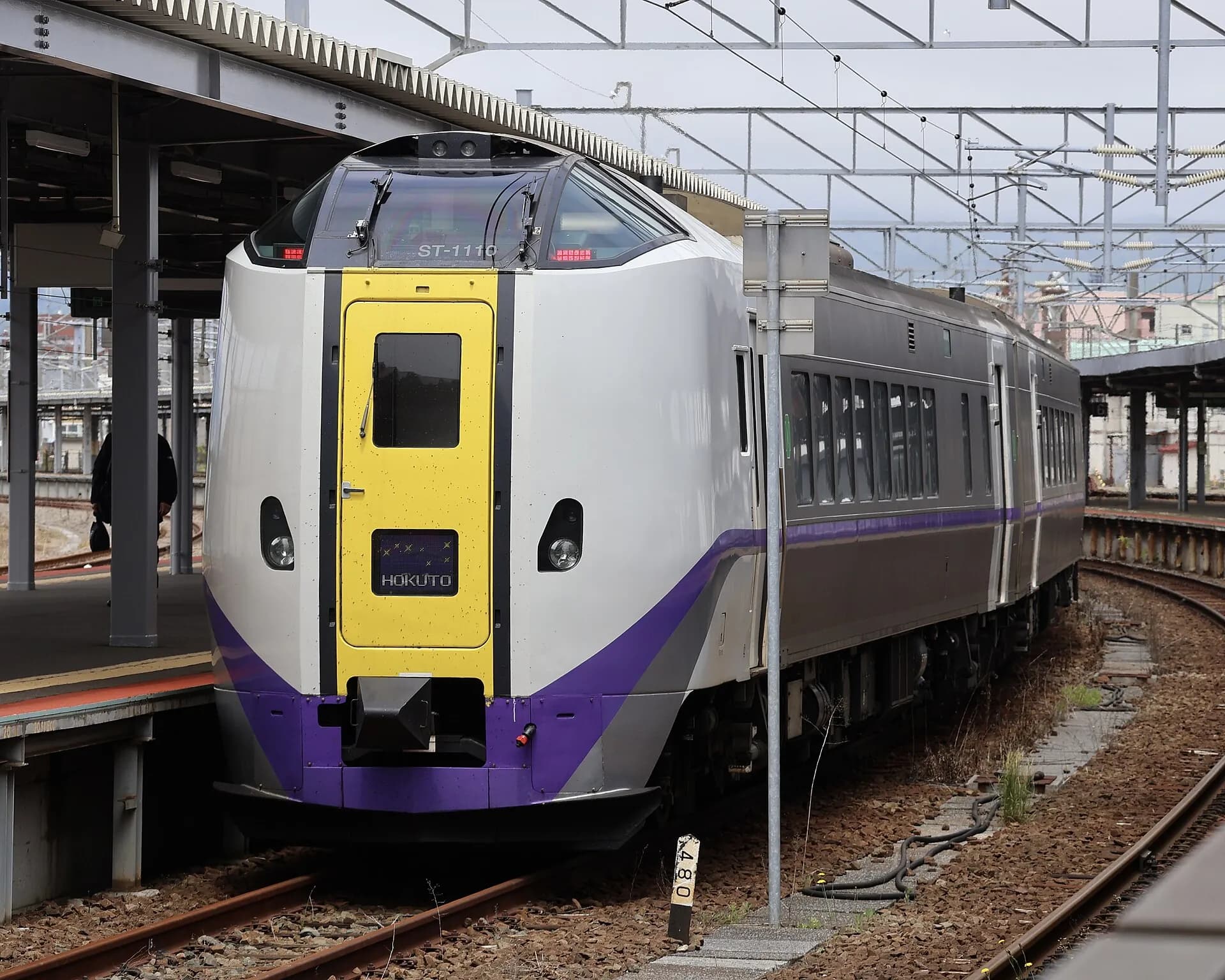
Hokkaido Rail Pass: unlimited rides on all JR Hokkaido lines except the Hokkaido Shinkansen, including reserved and non-reserved seats in ordinary cars on limited express, rapid and local trains. It can be used on some JR Hokkaido buses. It does not cover the Hokkaido Shinkansen, the South Hokkaido Railway, streetcars or subways.
Sapporo–Noboribetsu Area Pass: designed for travel between New Chitose Airport, Sapporo, Otaru and Noboribetsu. Toya is not included.
Heading to Lake Toya? JR Toya Station is not in the lakeside onsen town; our Lake Toya guide compares the train-and-bus route with the direct bus from Sapporo.
Sapporo–Furano Area Pass: designed for travel between New Chitose Airport, Sapporo, Otaru, Furano, Biei and Asahikawa. Tomamu is not included.
For both area passes, getting off outside the valid area means paying the normal fare for the extra section, and the passes do not cover JR Hokkaido Bus, Sapporo's streetcar or the subway.
Seats: all seats on JR Hokkaido limited express trains are reserved, with no non-reserved cars. JR Hokkaido asks pass holders to get a reserved seat ticket before boarding; seats cannot be assigned on the train.
Does it pay off? JR Hokkaido's own examples
JR Hokkaido compares each pass with regular tickets for a typical trip:
| Trip | Regular tickets | Pass |
|---|---|---|
| Sapporo–Noboribetsu round trip + Sapporo–Otaru round trip | ¥13,380 | ¥10,000 (Sapporo–Noboribetsu Area Pass) |
| Sapporo–Furano round trip via Asahikawa | ¥13,520 | ¥11,000 (Sapporo–Furano Area Pass) |
| Sapporo–Hakodate round trip + Sapporo–Otaru round trip | ¥23,140 | ¥22,000 (Hokkaido Rail Pass, 5 days) |
These examples show savings for the specific journeys and fares listed, not a guarantee that every long-distance return trip pays off. A trip that stays in Sapporo with one short day out will usually be cheaper on regular tickets.
If Hakodate is your long journey, our Sapporo to Hakodate guide compares the train with the bus and car.
How to decide
These are our suggestions, not JR Hokkaido's advice.
- Write down every train journey first, with dates. Look up the regular fares for your exact stations, then compare with the pass price for the days you need.
- Match the pass to the region. Sapporo, Otaru and Noboribetsu point to the Sapporo–Noboribetsu Area Pass; Furano, Biei and Asahikawa to the Sapporo–Furano Area Pass; Hakodate, or the far north and east, to the Hokkaido Rail Pass.
- Count consecutive days. All passes run on consecutive days, so plan the train-heavy part of the trip together and keep city days outside the pass period.
- Remember what is not covered. Sapporo's subway and streetcar, the Hokkaido Shinkansen and non-JR buses need separate tickets.
- Reserve seats early on busy days. Limited expresses are all-reserved.
Compare the total, not just the pass price
Use the same journeys, travel dates and seat type on both sides of the comparison. For each person, write down:
- Without a pass: the tickets you would actually buy for the planned trains, including any required limited-express and seat charges. If you find a discounted ticket, compare its booking and change conditions too.
- With a pass: the pass price at your intended purchase channel, plus journeys outside its dates or area and transport it does not cover.
- Difference: the without-pass total minus the with-pass total. A positive result means the pass is cheaper for that specific plan; a negative result means separate tickets are cheaper.
Do not count a bus, subway ride or rental-car day as rail-pass savings. Costs that are identical in both plans can be left out of both totals, but still belong in your trip budget. Calculate adults and children separately rather than multiplying one adult saving by the whole family; our family travel guide explains the booking questions to settle first.
A seven-day trip does not automatically need a seven-day pass
As an illustrative schedule, arrive on day 1, stay in Sapporo on day 2, make the longer train journeys on days 3–6, and leave on day 7. Compare an eligible four-day area pass for days 3–6 plus separate airport tickets against a longer pass that also covers the airport journeys. Check the actual route against the area map: the shorter pass is only a candidate, not a recommendation for every seven-day trip.
Conversely, if the expensive return journey falls after a shorter pass expires, add that separate ticket before calling the shorter pass cheaper. Do not add an unwanted excursion just to make a pass appear worthwhile. Start with the three-day Sapporo and Otaru plan or seven-day itinerary, then price only the rail journeys you will take.
Where it fits in our itineraries
Our 7-day itinerary uses trains for Sapporo, Otaru and Noboribetsu and a car only for the Furano days; the Otaru to Noboribetsu guide and Furano and Biei to Noboribetsu guide show the train legs. For the airport, see New Chitose to Sapporo, and for the wider choice between car, train and transfers, getting around Hokkaido.
Frequently asked questions
How much is the Hokkaido Rail Pass? For adults bought in advance: ¥22,000 for 5 days, ¥28,000 for 7 days and ¥37,000 for 10 days. Buying at a station costs ¥1,000 more.
Does the Hokkaido Rail Pass cover the Shinkansen? No. It covers all JR Hokkaido lines except the Hokkaido Shinkansen.
Can I use it on the Sapporo subway? No. The subway and streetcar are not covered.
Is there a cheaper pass for Sapporo, Otaru and Noboribetsu? Yes: the 4-day Sapporo–Noboribetsu Area Pass, ¥10,000 for adults bought in advance (Toya is not included).
Source: JR Hokkaido, Hokkaido Rail Pass and area passes, checked 15 October 2026. Prices and rules can change; check before buying. Planning suggestions are our editorial judgement.
Find a place to stay
These are affiliate links. We may earn a commission if you book — the price you pay is the same. Learn more

Northern Land Hokkaido Team — Sapporo, Japan