One of Hokkaido's 14 regions
Kushiro釧路
Kushiro City, the Kushiro Marsh and the lakes of Akan and Teshikaga.
The Kushiro region covers eight municipalities in eastern Hokkaido. Kushiro City is the main gateway, with the airport, Kushiro Station and a harbour known for seafood and robatayaki charcoal grills. The Kushiro Marsh, Japan's largest wetland, lies north of the city and spreads across several municipalities, so plan your visit around a specific observatory, boardwalk or canoe tour.
Inland, Lake Akan — also part of Kushiro City — has a lakeside hot-spring town, while Lake Mashu and Lake Kussharo are in Teshikaga. Red-crowned cranes (tancho) live in the region; where and when you can see them varies, so check observation sites and their rules before you go.
🧭 Kushiro Airport and JR Kushiro Station are the main gateways. Airport buses serve both the city centre and Lake Akan; check transport to wetland sites, the Teshikaga lakes and tour meeting points separately.
Where is Kushiro? Choosing between the city, the marsh, Lake Akan and Teshikaga
Kushiro is a region of eastern Hokkaido made up of eight municipalities: one city, six towns and one village. Kushiro City and Kushiro Town are separate places, so check which one a hotel or tour address refers to. Lake Akan is also part of Kushiro City, but it lies inland, well away from the coastal city centre. Hokkaido Government's list of Kushiro municipalities (Japanese)
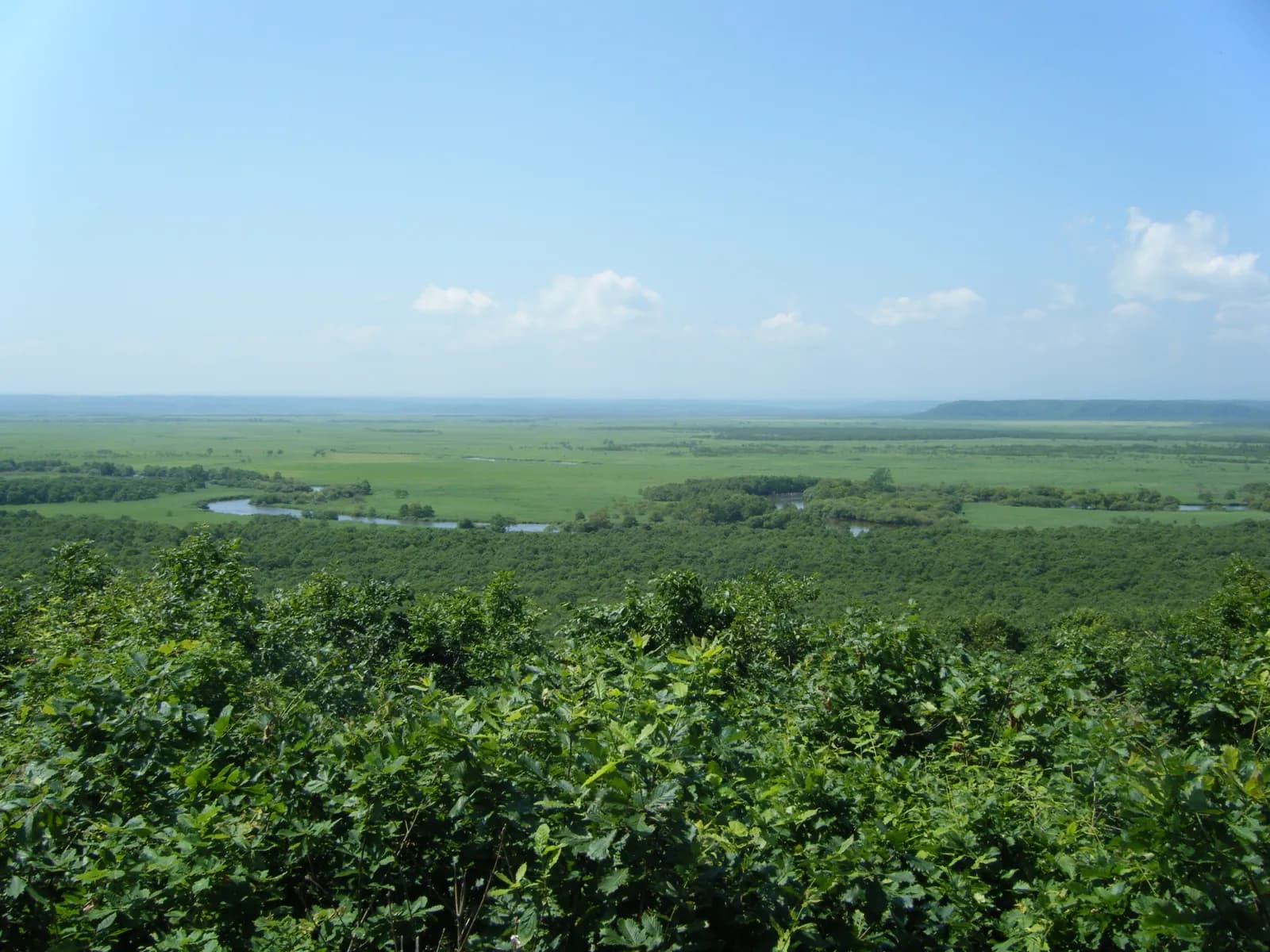
City and wetlands, Lake Akan, or the Teshikaga lakes?
Scroll sideways to see the full table.
| Destination | Good for | Access | What to verify |
|---|---|---|---|
| Kushiro City centre + one wetland stop | City food and transport, plus one marsh observatory, boardwalk or tour | Airport to the Kushiro Station stop, about 45 minutes by bus (operator's estimate). Getting to wetland sites is a separate journey | The timetable for your date, and how to reach your chosen observatory, boardwalk or tour meeting point |
| Akanko Onsen (Lake Akan, Kushiro City) | A lakeshore hot-spring stay | Airport to Akanko Bus Center, about 75–80 minutes by bus (operator's estimate). Hotel transfers are separate | A different bus from the city service. Allow for waiting, road and weather delays |
| Lakes Mashu and Kussharo, Kawayu Onsen (Teshikaga) | Caldera-lake viewpoints and a hot-spring stay in Teshikaga | If travelling by train, plan onward transport from Mashu or Kawayu Onsen station. Check whether you need a bus or taxi to reach your chosen lake viewpoint or accommodation. | Bus or tour operating dates and the final leg to each lake, for your date |
Travel-time source: Akan Bus airport services (Japanese), April 2026 to March 2027 timetable. Estimates, not guaranteed connections. Municipal profiles: Kushiro General Subprefectural Bureau (Japanese). Station locations: Ministry of the Environment Akan–Mashu access sheet (PDF).
Planning a day independently or by tour
On your own, Kushiro City plus one wetland stop is the easiest day to plan. Kushiro Marsh National Park spans Kushiro City, Kushiro Town, Shibecha and Tsurui, so you cannot simply walk out of the city and see it all. Pick a specific observatory, boardwalk or tour meeting point first, then work out how to get there. Ministry of the Environment — Kushiro Marsh National Park (Japanese)
For all three lakes in one day, Akan Bus's Pirika sightseeing bus runs a full-day course from Kushiro via Lake Mashu, Mt Io, Lake Kussharo and Lake Akan, returning via Kushiro Airport. It is listed for 18 April to 20 December 2026, and seats must be reserved in advance. The Kushiro Marsh Hokuto Observatory is seen from the bus window only, not a wetland walk. When booking, confirm it runs on your date and where you will get off (airport or city). Akan Bus — Pirika sightseeing bus (Japanese)
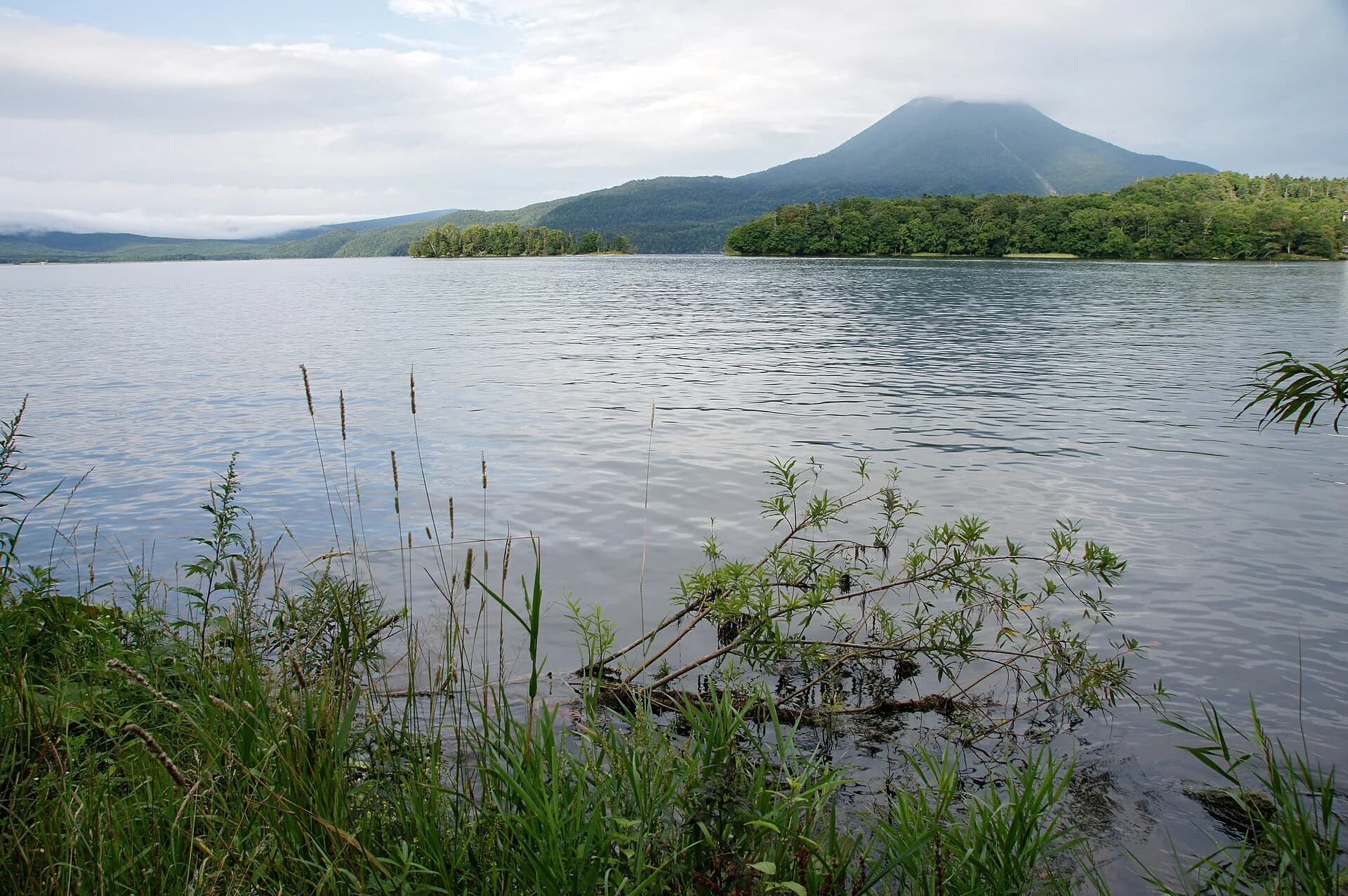
Where to stay: three bases
Stay near Kushiro Station if restaurants and onward transport matter most. Choose Akanko Onsen to wake up by Lake Akan. For Lake Mashu and Lake Kussharo, consider Kawayu Onsen in Teshikaga. Lake Akan and Kawayu are in different municipalities, and Akan–Mashu National Park has a visitor centre in each area. Ministry of the Environment — Akan–Mashu facilities (Japanese)
- Kushiro City: the city centre and Lake Akan
- Kushiro Town: a separate municipality from the city
- Teshikaga: Lakes Mashu and Kussharo, Kawayu Onsen
- Akan–Mashu National Park guide
- Eastern Hokkaido travel guide
Official information checked on 15 October 2026. Destination and stay choices are NLH editorial suggestions; confirm dates, times and booking conditions with operators.
Kushiro highlights
Red-crowned cranes
The tancho lives around the Kushiro Marsh. Sightings depend on season and place; keep your distance and follow each site's rules.
Kushiro Marsh canoeing
See the wetland from the river on a guided canoe tour. Check the meeting point and what to bring.
Akan–Mashu lakes
Lake Akan's hot-spring town in Kushiro City, and Lakes Mashu and Kussharo in Teshikaga. Allow separate travel time for each.
Robatayaki nights
Kushiro's charcoal-grill izakaya are a classic way to end a day in the city.
The 8 towns of Kushiro
Click a town to jump to its entry
Kushiro釧路市
A working port on the misty Pacific — robatayaki grilled seafood was born here. Base for Kushiro Marsh, Japan's largest wetland and home of the red-crowned crane.
Kushiro town page →Kushiro Town釧路町
Kushiro Town owns the best seat over Kushiro Marsh — the Hosooka overlook — plus kombu coves with famously unreadable Ainu place names.
Kushiro Town town page →Akkeshi厚岸町
Akkeshi means oysters — harvested year-round from a brackish lake, best with the town's own single malt from Japan's easternmost distillery.
Akkeshi town page →Hamanaka浜中町
Hamanaka wraps around Kiritappu — misty cape and wetland where wild sea otters have returned — and milks cows for premium ice cream brands.
Hamanaka town page →Shibecha標茶町
Shibecha is canoe country on the upper Kushiro River, with the 360-degree pasture horizon of Tawadaira and a winter steam train terminus.
Shibecha town page →Teshikaga弟子屈町
Caldera country: Lake Mashu's impossibly clear water, Lake Kussharo's swan-filled hot-spring shores, and sulfurous Mt. Io between them.
Teshikaga town page →Tsurui鶴居村
Tsurui is named for the red-crowned cranes that winter here — Japan's greatest crane sanctuary village, and one of its 'most beautiful villages'.
Tsurui town page →Shiranuka白糠町
Shiranuka lands willow octopus and shishamo on the Pacific — a fishing town whose ikura made it a furusato-tax favorite.
Shiranuka town page →
Guides that cover Kushiro
Hokkaido in Autumn: Japan's Fall Colors Start Here
While the rest of Japan waits for November, Hokkaido's autumn begins in September — alpine foliage on Daisetsuzan, harvest-season food at its peak, changing weather and local travel conditions. Here's how to plan it, month by month.
Read →
Hokkaido Driving Times: How to Check Routes from Sapporo and New Chitose
Hokkaido driving times from Sapporo to Wakkanai, Nemuro and Hakodate, then how to check real road routes, check road closures before you set off and plan rental car pick-up and return.
Read →
Akan–Mashu Guide: Three Lakes, Activities and Where to Stay
Choose Akanko Onsen or Kawayu Onsen as your base, check the bus links from Kushiro Airport and JR stations, and plan viewpoints, activities and hot springs.
Read →
Best Places to Visit in Hokkaido: Cities, Nature and Onsen
Compare Sapporo, Otaru, Hakodate, Furano, Biei, Niseko and eastern Hokkaido. Choose where to go by interests, transport and hotel base, with routes for a first visit.
Read →
The Wild East: A Traveler's Case for Eastern Hokkaido
Choose Kushiro or Memanbetsu airport and one base for Kushiro Marsh, Akan–Mashu, Abashiri or Shiretoko, with car-free and rental-car checks before you book.
Read →
10-Day Hokkaido Itinerary: Sapporo, Furano and Shiretoko
A nine-night road trip from New Chitose to Memambetsu via Sapporo, Furano, Tokachi, Akan–Mashu and Shiretoko. Overnight stops, booking order and weather alternatives.
Read →