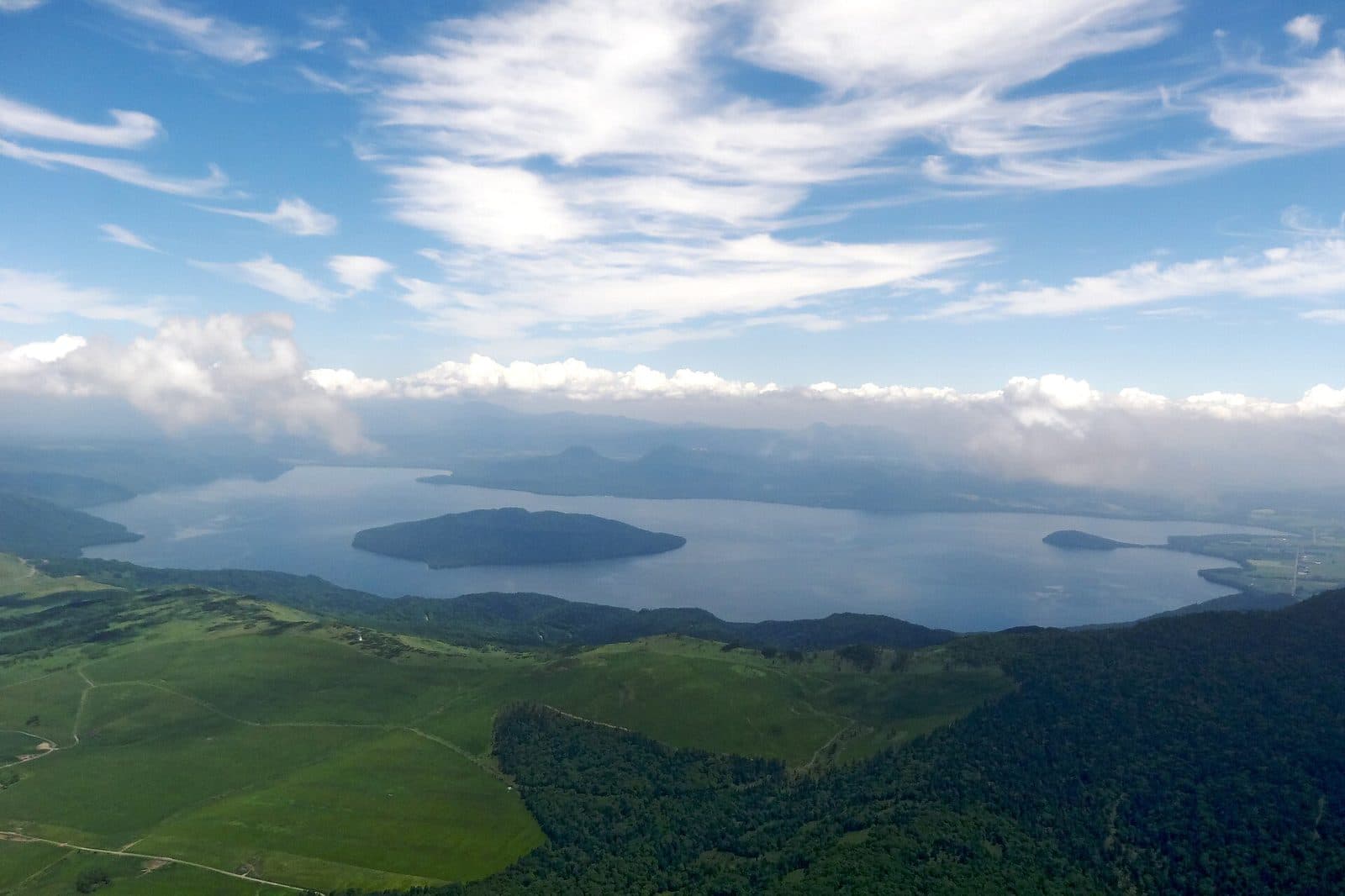
Akan–Mashu National Park covers several distinct sightseeing areas in eastern Hokkaido. Start by choosing between an Akan lakeside stay and a base around Kawayu or Teshikaga for Mashu and Kussharo. Do not treat all three lakes as neighbouring stops within one small resort. Without a car, where you stay makes a big difference to how much travelling each day involves, so start there.
Choosing a base: Akanko Onsen or Kawayu Onsen
Here we compare two bases in different parts of the park: Akanko Onsen on the shore of Lake Akan, and Kawayu Onsen for Lake Mashu, Mt Io and Lake Kussharo. This comparison is our editorial planning guide.
Scroll sideways to see the whole table.
| Base | Main interests | Arrival route to check | Don't assume |
|---|---|---|---|
| Akanko Onsen (Lake Akan) | The lakeshore, the hot-spring town, Akanko Ainu Kotan and activities on Lake Akan. | Kushiro Airport to the Akan bus centre by Akan Bus, then the final leg to your hotel. | That Lake Mashu or Lake Kussharo is a short side trip from the town. |
| Kawayu Onsen | Lake Mashu viewpoints, Mt Io and the shores of Lake Kussharo. | JR to Kawayu-Onsen Station, then the Kawayu Line bus into town. | That the station is in the hot-spring town, or that one bus reaches every lake. |
Without a car, spend your time in one region. Pick the base that matches the place you most want to see and plan the trip around it. Mashu Station in Teshikaga is where you change between train and bus; it is not on the shore of Lake Mashu. The Ministry of the Environment's spot guide shows where the lakes, hot-spring towns and visitor centres are.
Lake Mashu: plan a viewpoint visit
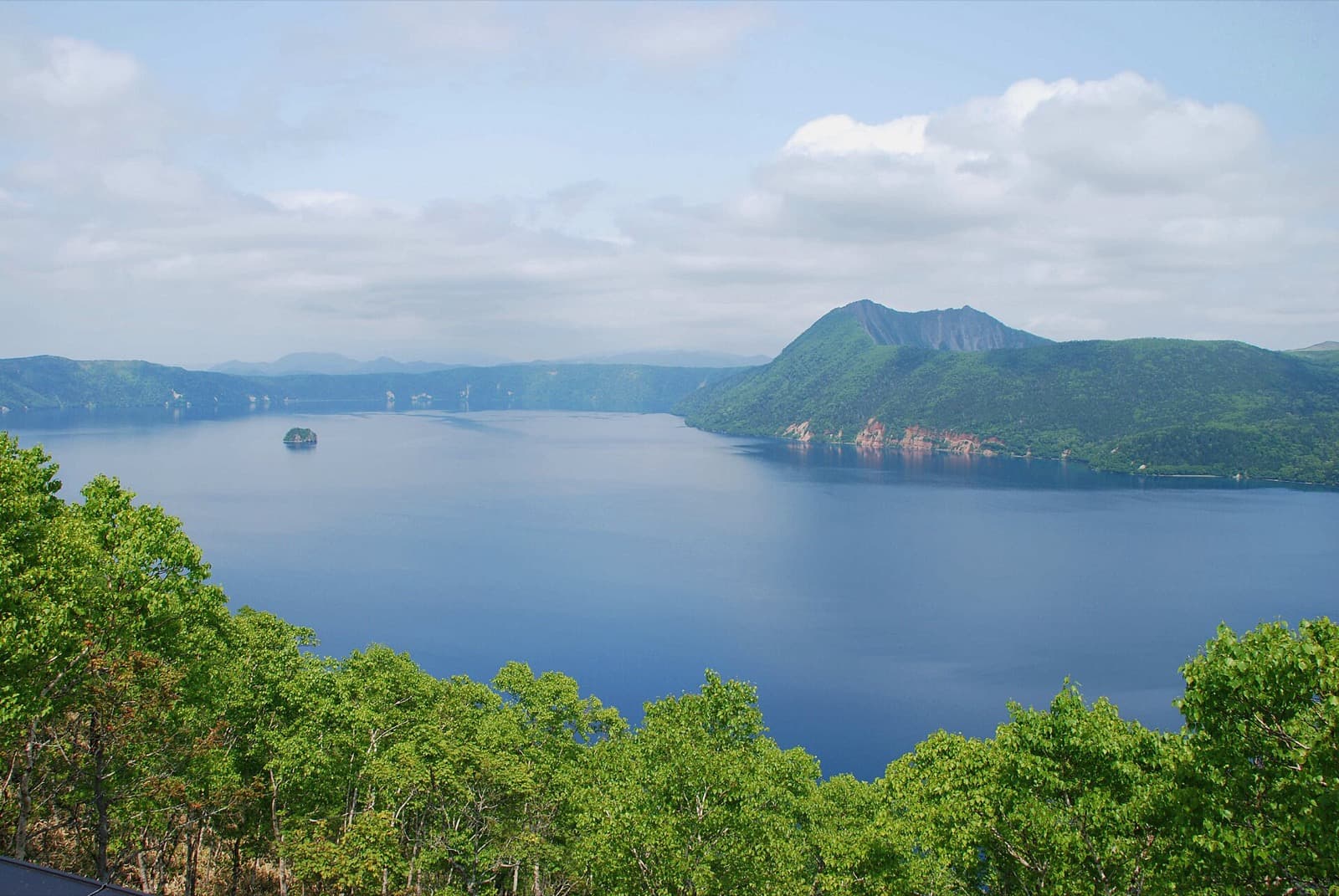
Visit designated viewpoints to look down into the caldera. Fog and weather can change the view, so a clear blue lake is not guaranteed. Check access to the viewpoint you intend to use; do not assume every approach road operates throughout the year.
Keep the visit flexible rather than tying an important onward connection to a photograph. Lake Mashu is not a substitute location for a canoe or shoreline activity booked elsewhere.
Lake Kussharo: choose a specific lakeside stop
The lake is large, and different shores are separate destinations. Pick the viewpoint, walk, facility or guided experience you want before checking the route. Do not assume every hot spring shown in an old travel photograph is currently open for bathing.
If booking a water activity, confirm the actual waterway and meeting point. A tour described as being in the wider lake area may start somewhere other than your hotel or the shore you planned to visit.
Lake Akan: stay near the activities you want
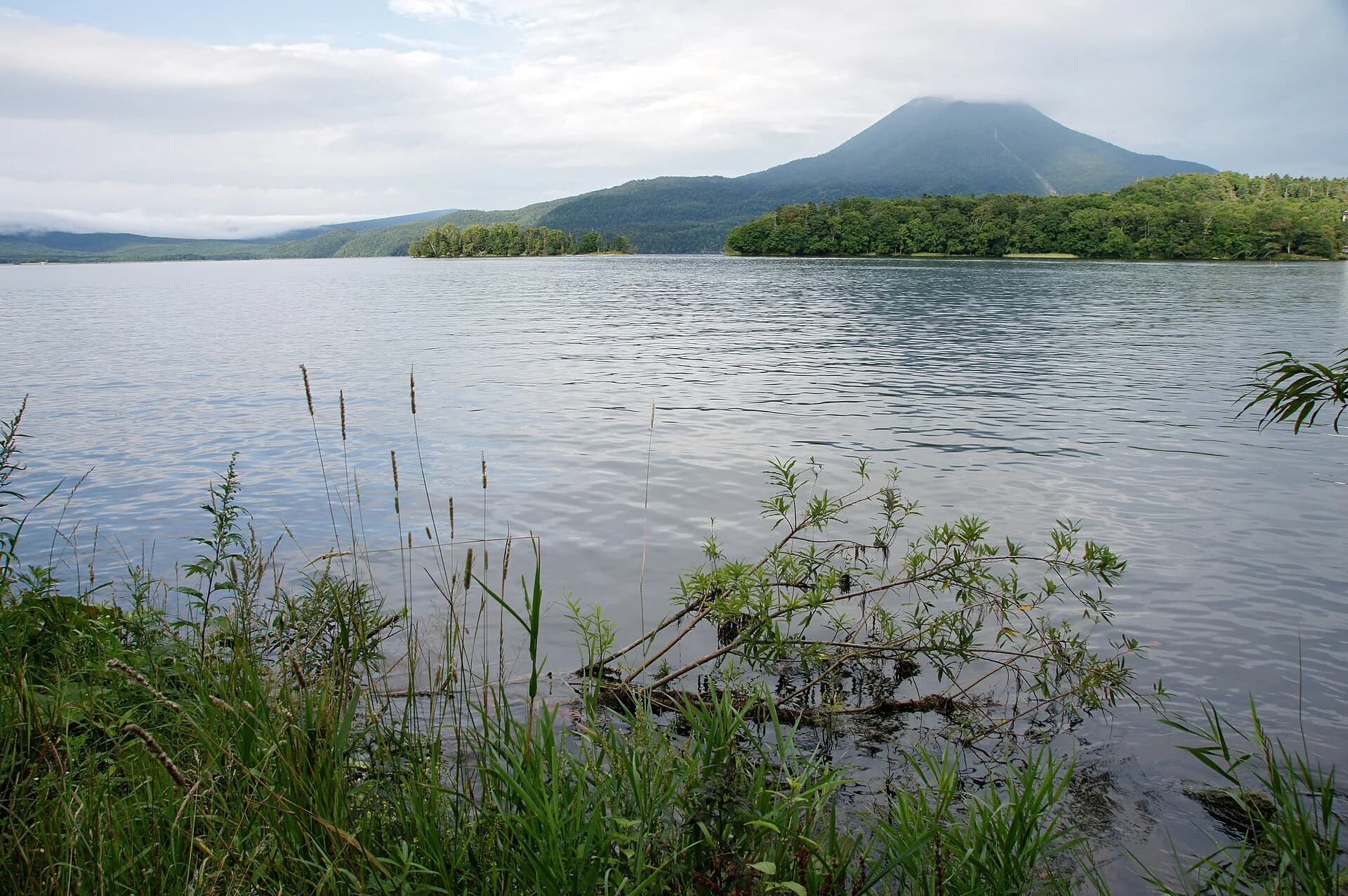
Lake Akan can be the focus of its own overnight stop, with time for the hot-spring town, visitor facilities and seasonal experiences. Check the dates, start times and booking arrangements for your chosen activity rather than adding a boat trip after a long day elsewhere.
Allow time to reach Akan from the Mashu–Kussharo area. An afternoon arrival is a good reason to keep the rest of that day local.
Kawayu, Teshikaga or Akan?
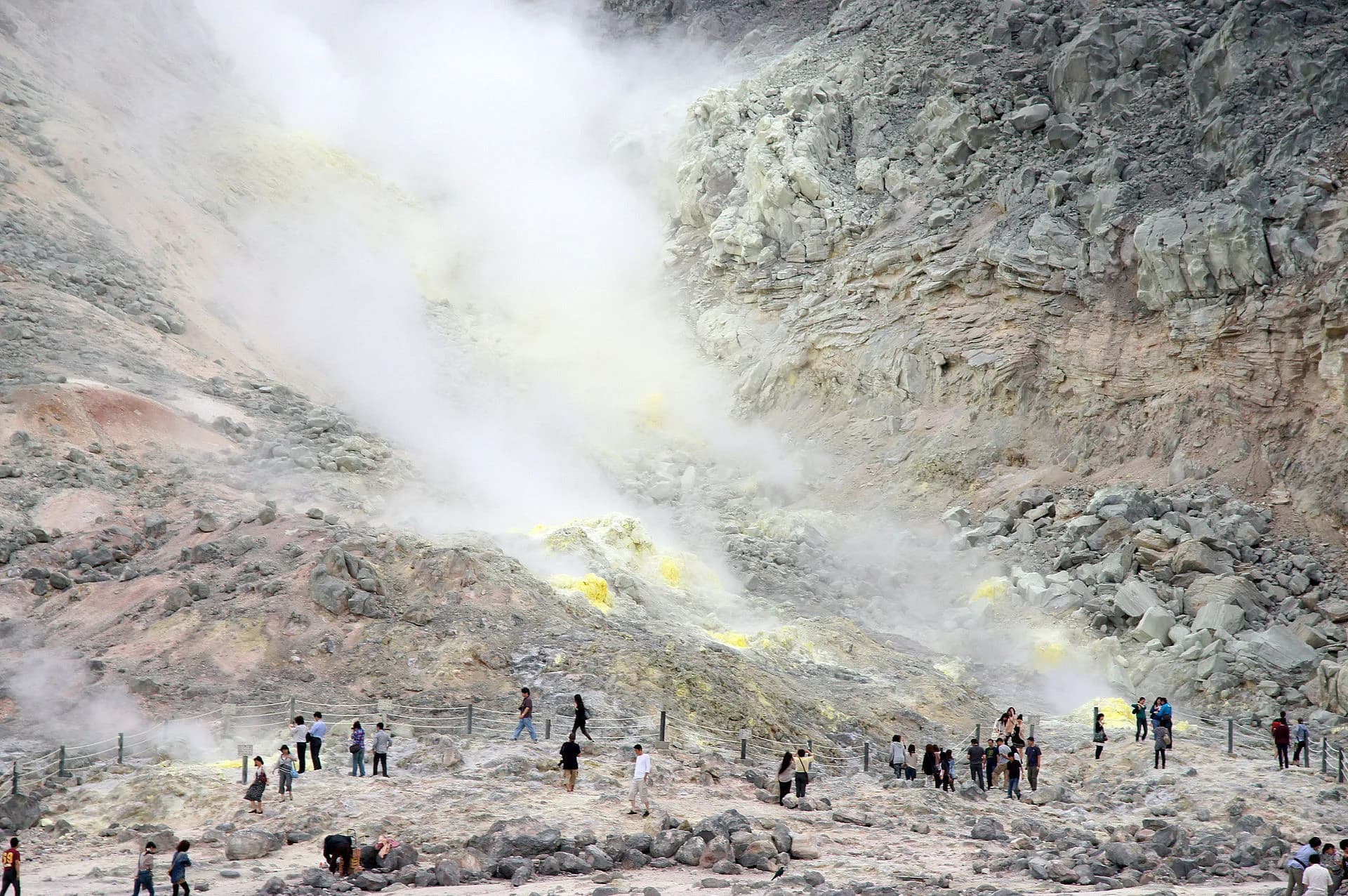
Kawayu and Teshikaga are useful areas to compare for Mashu and Kussharo visits. Akan lakeside accommodation suits a trip centred on Lake Akan. Choose according to the next morning's first activity, meals and transport, not just the hotel photograph.
Kawayu Onsen Station and the hot-spring town are not the same location. Without a car, confirm the final journey to your accommodation and any pickup conditions before booking.
Booking an activity: six details to check
- Exact location: Check the lake or river and both the meeting and finish addresses. Kushiro Marsh is a separate destination, not another Lake Akan activity site.
- Total time: Include check-in, equipment fitting, transfers and the journey back. Ask where pickup stops, when you'll be back and whether the return reaches your hotel.
- Participation: Confirm age, ability and language requirements for everyone in your group.
- Equipment: Ask what is supplied, which sizes are available and what you must bring.
- Price: Check whether equipment, transport and facility charges are included, and compare the total for your whole party, including any bus or taxi to the meeting point.
- Changes: Read the operator's weather-cancellation and refund terms separately from the terms for cancelling yourself.
Book winter lake or ice experiences with an operating guided programme and follow its instructions. Do not infer that a frozen-looking lake is open for independent access. Listings and photographs do not establish current availability.
A flexible one- or two-day plan
For one day, choose a main area. In the Mashu–Kussharo area, combine a viewpoint with a stop around Kawayu and one lakeside visit, adjusting for weather and travel time.
For an overnight trip covering both Akan and the Mashu–Kussharo area, you need a car or a confirmed transfer between them; don't plan it on a public bus circuit. Reduce stops on the transfer day and leave the following morning for an Akan activity. A fixed-time guided tour needs more room in the schedule than an optional viewpoint stop.
Example: two nights in one base without a car. On arrival day, stay local with a bath and a walk around the town. On the middle day, do one booked activity, or visit one main spot you've confirmed you can get to and back from. On the last day, leave plenty of time for the airport bus or train, and don't add a distant lake before you go.
These are NLH planning suggestions, not timed itineraries or an official schedule. Check your actual route and operator's meeting time before reserving.
Fog or a cancelled activity: keep the return journey intact
A hidden lake, an operator cancelling a tour and a road closure require different decisions. The following is a planning method, not a promise of replacement activities or refunds.
- The viewpoint is open but the lake is hidden: Decide when to leave before you start waiting. Work back from your return bus or booked pickup, including the walk to the stop. With a car, keep the onward drive and your hotel's dinner deadline intact. Another viewpoint is not a guaranteed clear view; check access before changing roads.
- The operator cancels a lake activity: Confirm when and how you will receive the decision, whether any pickup still operates, and where you will be dropped off if the activity ends early. A cancelled experience can also remove the transport you were relying on. Choose a local meal, visitor facility or bath only after checking opening hours, admission conditions and the route back to your accommodation.
- The activity operates but you cannot reach it: Contact the operator and the seller before the meeting time. Explain the transport problem and ask which change or cancellation terms apply. Do not treat your inability to arrive as an operator cancellation, or assume a separately booked taxi or hotel will be refunded.
- The access road or return service is unavailable: Remove that outing rather than chasing the same activity at another lake. Check the actual road and transport notices; a navigation app offering a route is not confirmation that it is usable.
A second attempt should replace a stop, not consume the departure margin
For the two-night, one-base plan above, a retry on the last morning is only an option if there is an available session and you can still collect luggage and reach the booked airport bus or train with a sensible margin. Otherwise keep departure day for travel. Moving to another lake changes the meeting point, transport and often the accommodation plan; it is not a like-for-like swap.
Before paying again, note the original booking's refund status separately from the cost of the replacement activity, extra transport, meals and any room change. Compare the total in the trip-budget guide. For a wider circuit, remove an optional stop from the ten-day itinerary instead of pushing every later transfer back.
A useful question for the operator is: “If weather stops the activity, when will you notify us? Does pickup still run, and where will we finish? We need to collect bags at __ and catch __. Is a replacement session compatible with that, and what would we pay or receive back?”
Getting around without a car
Choose accommodation first only after checking how you can reach it and leave again. For local or seasonal sightseeing buses, look at both outward and return services. Ask whether tour pickup covers your accommodation; it may need a separate reservation or payment.
Bus routes to check
These four Akan Bus routes cover the main car-free arrivals and local visits. We checked the operator's pages on 19 October 2026. Check departures and fares for your travel date on the Akan Bus route page (Japanese).
- Kushiro Airport to Akanko Onsen: The Akan Bus airport page (Japanese) lists the Akan Airport Liner and applicable Akan Line services, with an estimated riding time of 75–80 minutes between the airport and the Akan bus centre. That is a different journey from the shorter airport bus into Kushiro city. Allow extra time for collecting luggage and for the last leg from the bus centre to your hotel. Not every flight has a connection, and the bus won't necessarily wait for a late arrival. The page covers 1 April 2026 to 31 March 2027, but some extra services run only from 1 July to 31 October, so don't count on those in winter.
- JR Kawayu-Onsen Station to Kawayu Onsen: The Kawayu Line links the station with the town around the Taiho Sumo Museum. Arriving by train doesn't put you at your hotel or the lakeshore. Check the outward and return buses for your date, and don't assume your hotel offers pickup.
- Mashu Station to Mashu First Observatory: The Mashu Line runs between the two, but a route existing doesn't tell you how often it runs, whether you can get back the same day or how long you'll have at the viewpoint. The current Mashu Line timetable (PDF, Japanese) notes that service 503 is not operating.
- Lake Kussharo: Decide on the exact shore or meeting address first. The Kussharo Line goes to the Wakoto Peninsula and, according to the linked timetable (PDF, Japanese), runs Monday to Friday except Japanese public holidays, with no services on Saturdays, Sundays or Japanese public holidays. Check it again for your travel date. It isn't a sightseeing loop around the lakes and doesn't serve every shore: don't assume a Wakoto bus also takes you to Sunayu, and check the stop for your destination.
The operator still links timetable PDFs revised in 2023, including the Kawayu Line timetable (PDF, Japanese). Before you travel, also check the notices on the route page, and contact Akan Bus if the operating conditions for your date are unclear.
Use the transport planning guide for the checks to make before combining long transfers and activities. In winter, allow for road restrictions and reduced daylight instead of filling every available hour; the winter transport guide and winter packing list help with waits at bus stops. To add up accommodation, buses, taxis and activities for your group, use the trip budget guide.
Official information and onward travel
Check the Ministry of the Environment's park information for notices and visitor guidance. This official source was checked on 11 October 2026; individual tours, prices and availability must be confirmed with the operator.
For a wider route, read our eastern Hokkaido guide, Shiretoko activity guide and ten-day itinerary.
Book what's in this guide
These are affiliate links. We may earn a commission if you book — the price you pay is the same. Learn more

Viator links open a regional or category list, not a single tour. Check each activity's location and dates before booking.
Northern Land Hokkaido Team — Sapporo, Japan