Eastern Hokkaido covers Kushiro Marsh, the caldera lakes of Akan–Mashu, Abashiri on the Okhotsk coast and the Shiretoko Peninsula. These areas are far apart, so the trip works best when you choose your airport and where you'll stay before you plan sights. This page helps with that decision, then gives an overview of each area and links to the detailed guides.
Choose your airport and base first
These are our editorial suggestions for two common starting points, not the only ways in. An airport bus takes you into town; it doesn't reach every marsh entrance, lake shore, hotel or activity meeting point. Plan that last leg separately.
- Kushiro Airport, for Kushiro city, Kushiro Marsh and Akanko Onsen. The Akan Bus airport page (Japanese) gives an estimated riding time of about 45 minutes from the airport to Kushiro Station. The bus to the Akan bus centre at Akanko Onsen is a separate journey, with an estimated riding time of 75–80 minutes. Services vary by date, so check the operator page for your travel day.
- Memanbetsu Airport, for Abashiri and onward planning to Utoro (Shiretoko). The Abashiri Bus airport page (Japanese) gives estimated riding times of 26 minutes from the airport to Abashiri Station and 35 minutes to Abashiri Bus Terminal. In the other direction, allow about 30 minutes from Abashiri Station and about 35 minutes from the bus terminal to the airport. The ordinary airport bus timetable currently shown runs until 30 November 2026; for later dates, check the operator's updated notice rather than assuming there is no service.
- The Shiretoko Airport Liner is seasonal. It is not a year-round service. The current Abashiri Bus page lists a winter period of 16 January to 7 March 2027, so don't assume it runs in October or connects with every flight. Outside its dates, check other routes to Utoro with the operators before you book a room there.
All riding times are the operators' estimates for one direction. Add time for collecting luggage, waiting for the bus, the final leg to your accommodation and winter weather. A delayed flight does not mean a bus, train or tour will wait; Abashiri Bus also notes that connections with JR trains and icebreaker cruises are not guaranteed. We checked both operator pages on 19 October 2026; check each operator's timetable for your travel date before you book.
Without a car: a three-night, one-base example
This is an editorial example, not a guaranteed route or tour. Choose either Kushiro or Abashiri as your one base for three nights.
- Day 1 (arrival): Take the airport bus into town and stay local: check in, have dinner and rest.
- Days 2 and 3: Plan one main outing per day. A booking doesn't mean you can get there, so before you book, confirm how you'll reach the meeting place and get back to where you're staying. From Kushiro, a wetland tour works only if it offers pickup from where you're staying, or if you've arranged the last leg yourself. From Abashiri, pair a day of town museums and other indoor sights with a seasonal excursion. Drift ice cruises run only in winter, so don't plan one for an October trip.
- Day 4 (departure): Leave a generous buffer for the airport bus and check-in, and don't add a distant sight before your flight.
A trip covering Kushiro, Akan–Mashu and Shiretoko in one go is easiest by rental car (the itineraries below are driving examples). Without a car, don't assume public buses link the sights as a circuit: stay in one base, or use only rail, bus, tour and transfer connections you've checked for your travel dates.
Rental cars: compare the whole-trip total
Flying into Kushiro and out of Memanbetsu (or the reverse) saves a drive back, but the rental is a one-way hire. Compare that quote with returning the car to the same airport using the total for your whole party: the one-way drop-off fee, late-return fees, tolls, fuel, parking and any extra night of accommodation the return route needs. Check road and weather conditions before you set off; the Hokkaido driving times guide explains how to check real routes, and the trip budget guide helps you add up the costs.
Booking an experience
Choose the experience you most want during your stay, and check the transport from the meeting place back to your accommodation. Before booking, also confirm the exact meeting and finish addresses and the total for your whole party, including any taxi or bus. Ask what the operator does if weather or sea conditions cancel the trip, and what conditions apply to any pickup. Wildlife sightings depend on season and conditions and aren't guaranteed. Booking sites list what is available by area and date; search for your dates rather than assuming a particular tour is offered.
Shiretoko: choose Utoro or Rausu
Shiretoko is a UNESCO World Heritage site (inscribed in 2005) on a peninsula reaching into the Sea of Okhotsk. Roads run along part of each coast but don't reach the tip, so the far end of the peninsula is usually seen from a sightseeing boat.
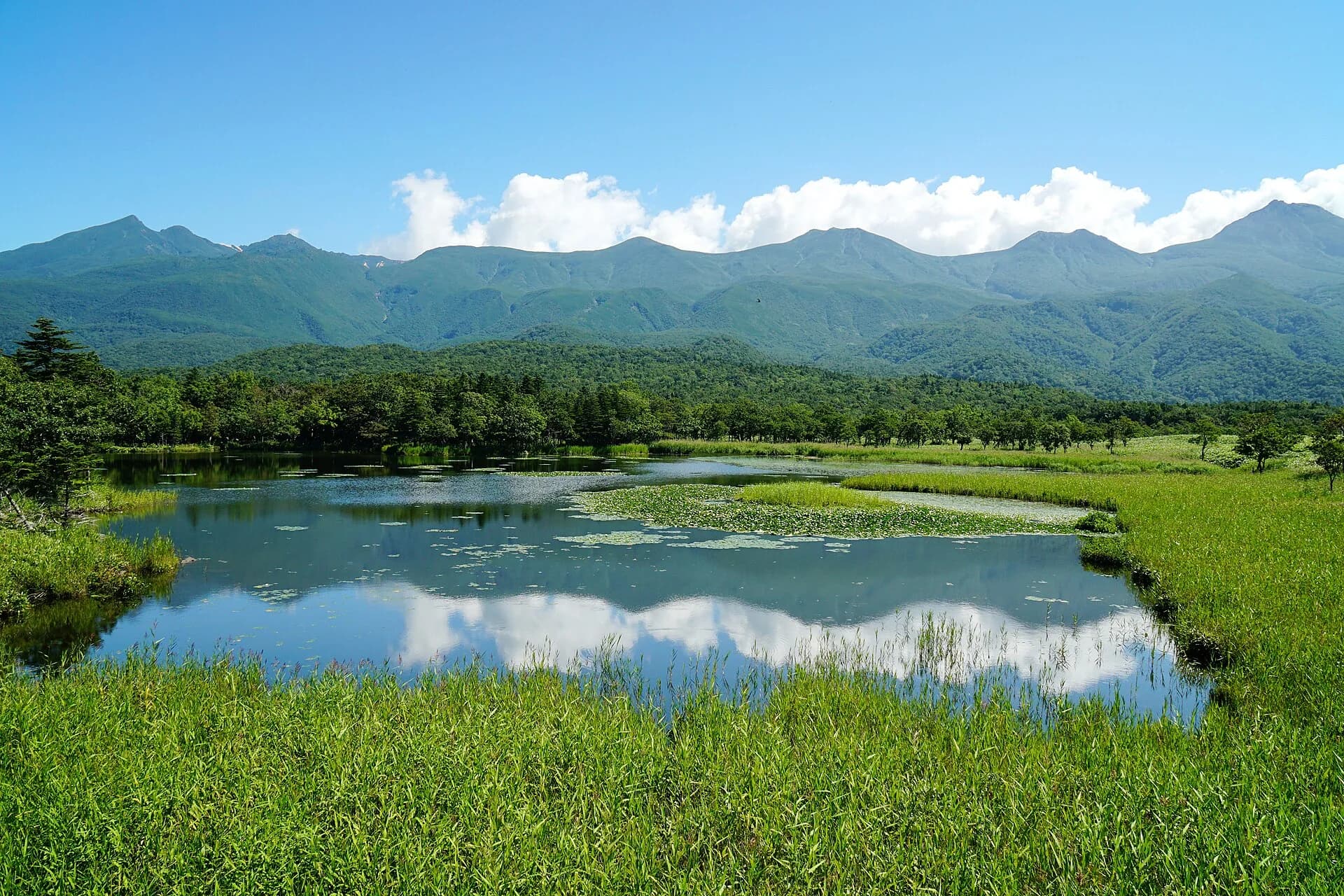
On the Utoro side, visitors choose between the Shiretoko Five Lakes walks and sightseeing cruises along the coast. On the Rausu side, boat tours look for marine wildlife depending on the season. Brown bears live throughout the peninsula, so follow the rules for each trail and keep your distance from any animal you see. Cruises can be cancelled in rough seas, and trails can close.
The two coasts are linked by the Shiretoko Pass road, which closes in winter. Pick the side that matches what you want to do and stay there. Our detailed guide covers both sides, the Five Lakes rules and what to check before booking a cruise: Shiretoko activities guide. From Memanbetsu, plan how you'll reach Utoro before booking a room there (see the airport section above).
Akan–Mashu: choose Akanko Onsen or Kawayu Onsen
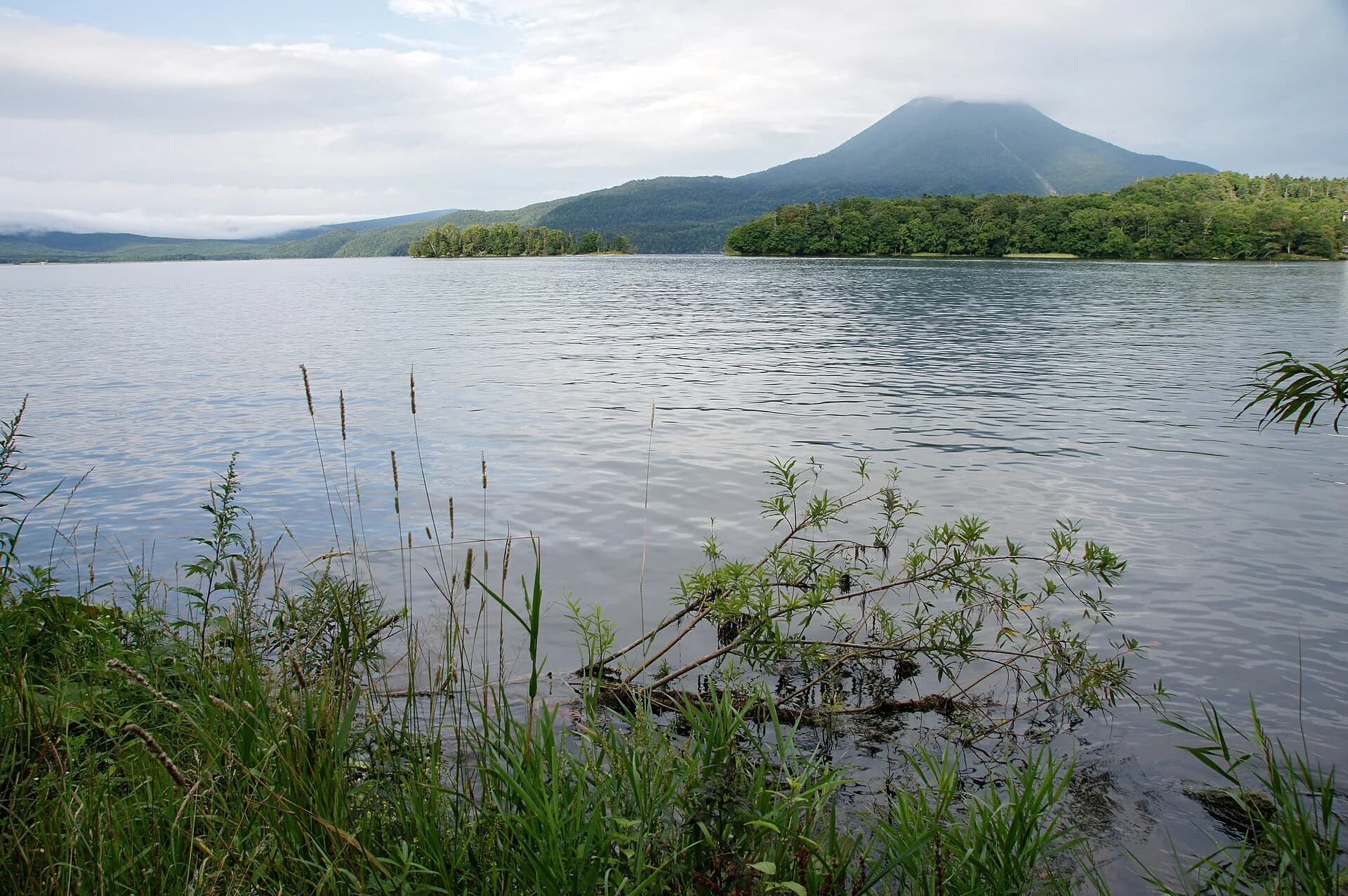
Akan–Mashu National Park has three main caldera lakes in different parts of the park. Lake Akan is lined by the hot-spring town of Akanko Onsen. Lake Mashu is seen from viewpoints on its rim, and Lake Kussharo has lakeside walks and hot springs, with steaming Mt Io between the two.
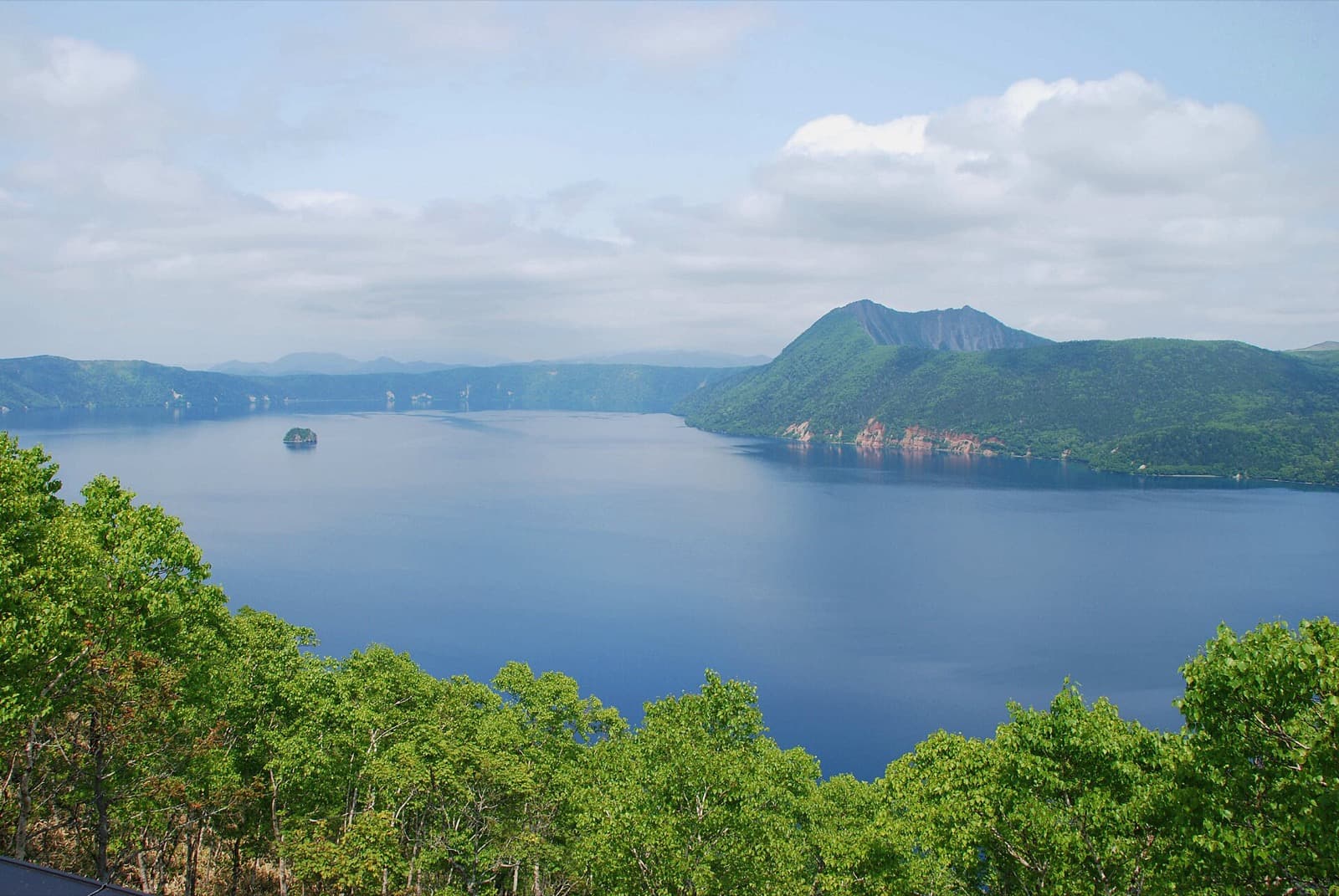
Lake Mashu is known for its clear water, but fog often covers the lake, so don't make one viewpoint the fixed point of your day. Swans spend the winter on parts of Lake Kussharo's shore.
Without a car, stay in one area: Akanko Onsen for Lake Akan, or Kawayu Onsen in Teshikaga for Lake Mashu, Mt Io and Lake Kussharo. Our Akan–Mashu guide compares the two bases and lists the bus routes to check: /guides/akan-mashu-national-park.
Kushiro Marsh and the coast
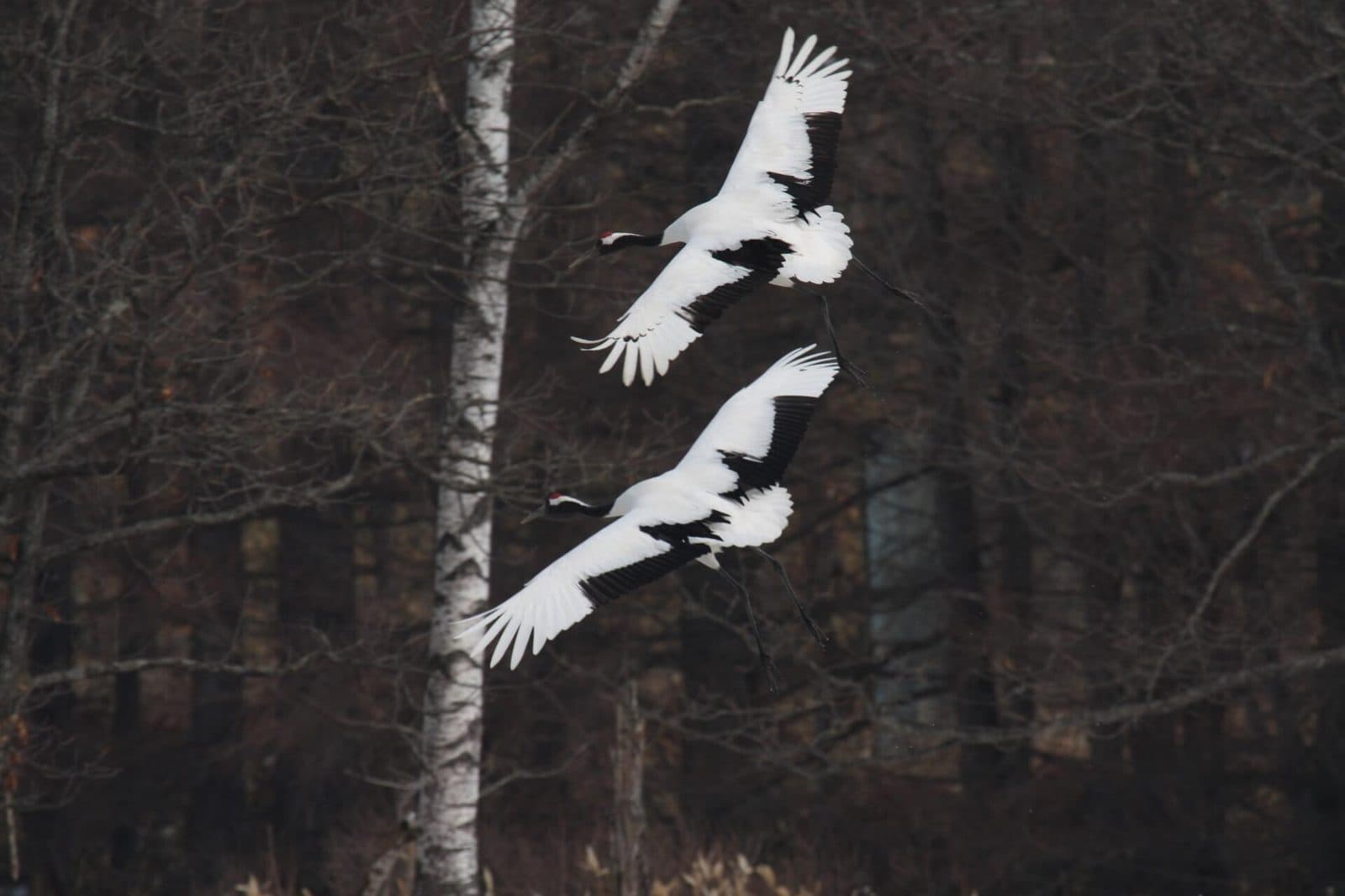
South of the caldera lakes lie Kushiro Marsh, Japan's largest wetland, and the red-crowned cranes that live in the area. The marsh is inland from Kushiro city, a fishing port on the Pacific coast known for robatayaki, where seafood is grilled over charcoal in front of you.
The marsh has several entrances, including viewpoints, boardwalks and guided canoe trips, each in a different place. Choose one, then check how you'll get there and back. Crane sightings depend on the season and the location.
Further along the coast, Akkeshi is known for oysters from its brackish lake, and Kushiro is a good base for dinner after a day in the marsh. Our food guide covers both towns in more detail if you want to plan a meal around the marsh as well as a walk.
Itinerary shapes: both need a car
The two shapes below are driving trips. Check your flights and rental conditions before fixing the dates.
Option A: fly into Kushiro and stay in the east. If you have about a week and the east is the point of your trip, fly to Kushiro, start with the marsh and Akan–Mashu, then drive to Shiretoko and fly home from Memanbetsu. This is Route B in our Hokkaido itinerary planning guide, and it gives each area enough nights instead of squeezing it into one.
Option B: the 10-day route from New Chitose to Memanbetsu. If you want central and eastern Hokkaido in one trip, our 10-day itinerary starts at New Chitose Airport and ends at Memanbetsu Airport. It runs through Sapporo, Furano and Biei, Tokachi, Akan–Mashu and Shiretoko. It's a one-way route, not a loop back to the start, so the rental is a one-way hire.
You can also try a starting point in the route planner: open the trip planner, set for 10 days of nature and wildlife in summer →. Check the suggested days against real routes and transport before booking.
Seasons in the east
June to September is the main season for Shiretoko cruises and the Five Lakes walks, and roads are usually clear of snow. Each operation still has its own dates, and weather can cancel cruises or close trails even in summer, so check the operators' dates and conditions for your trip. Many visitors find this period the simplest to plan.
Winter is also possible on a first visit, with suitable logistics: drift ice on the Okhotsk coast, cranes and swans, and snowy landscapes. Allow for shorter days, road and weather conditions, seasonal buses and cruise dates, and leave room to change plans. For the icebreaker cruises at Abashiri and Monbetsu, see our Hokkaido drift ice guide. The detailed guides above cover the seasonal points for each area.
Planning your trip east
Start with Shiretoko or the Akan–Mashu guide if one area is your priority, use the 10-day route for central and eastern Hokkaido together, or open the planner set to nature and wildlife as a starting point. Whichever you choose, decide your airport and base first, then fit your activities around them.
Book what's in this guide
These are affiliate links. We may earn a commission if you book — the price you pay is the same. Learn more

Viator links open a regional or category list, not a single tour. Check each activity's location and dates before booking.
Northern Land Hokkaido Team — Sapporo, Japan