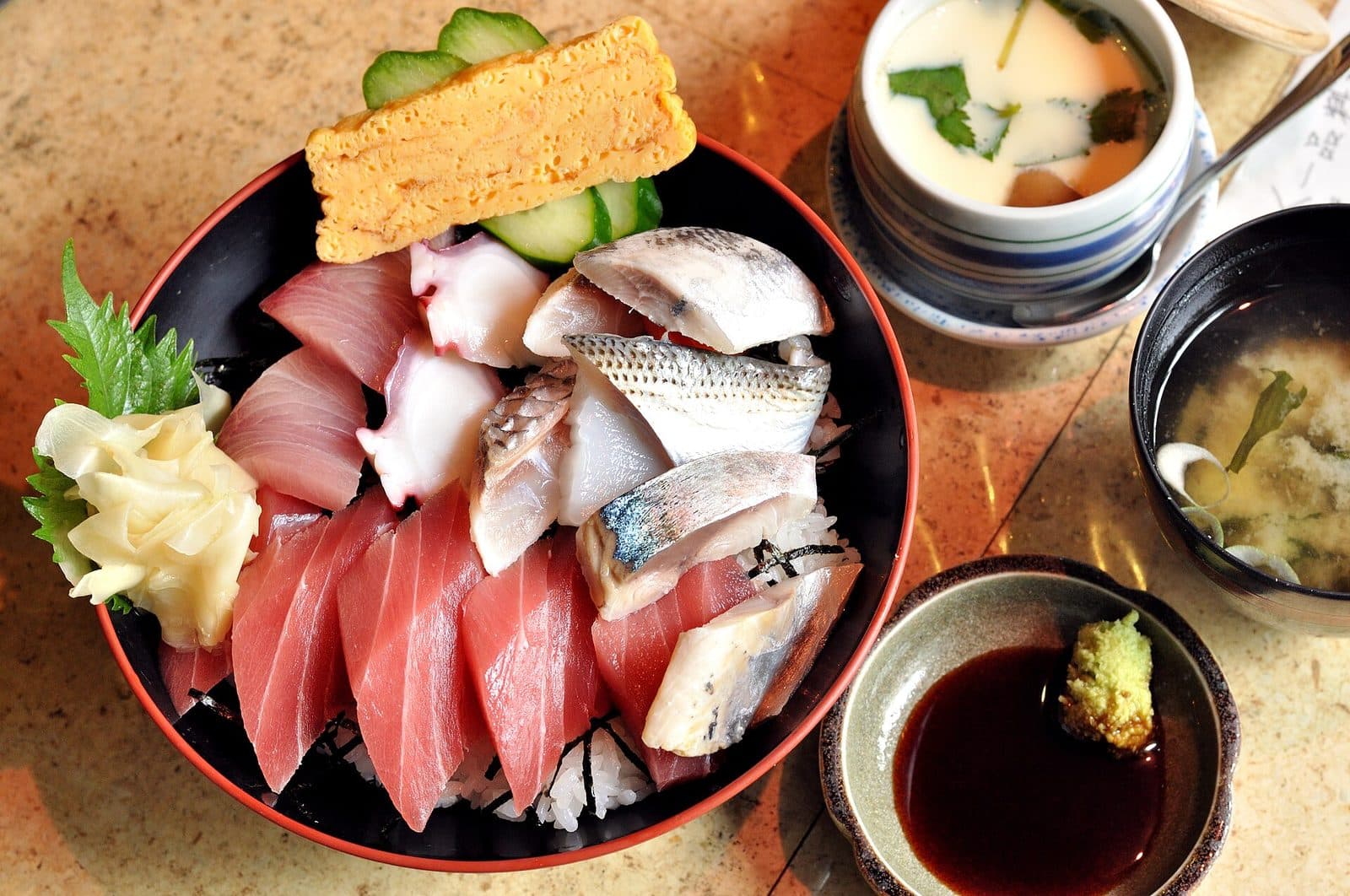
Start with the places you are already visiting, then choose a local dish for each stop. A food trip works better when lunch fits the sightseeing route and dinner is near your accommodation. You do not need to cross Hokkaido to try every speciality in one holiday.
This is a regional planning guide, not a restaurant ranking or a record of meals we have personally reviewed. For individual businesses, confirm opening days, menus and reservation terms with the restaurant.
Sapporo: ramen, soup curry and jingisukan
Miso ramen, soup curry and grilled lamb are useful starting points. Choose one for lunch and another for dinner rather than trying all three in one sitting. Butter and corn are optional additions at many ramen shops, not ingredients every bowl includes.
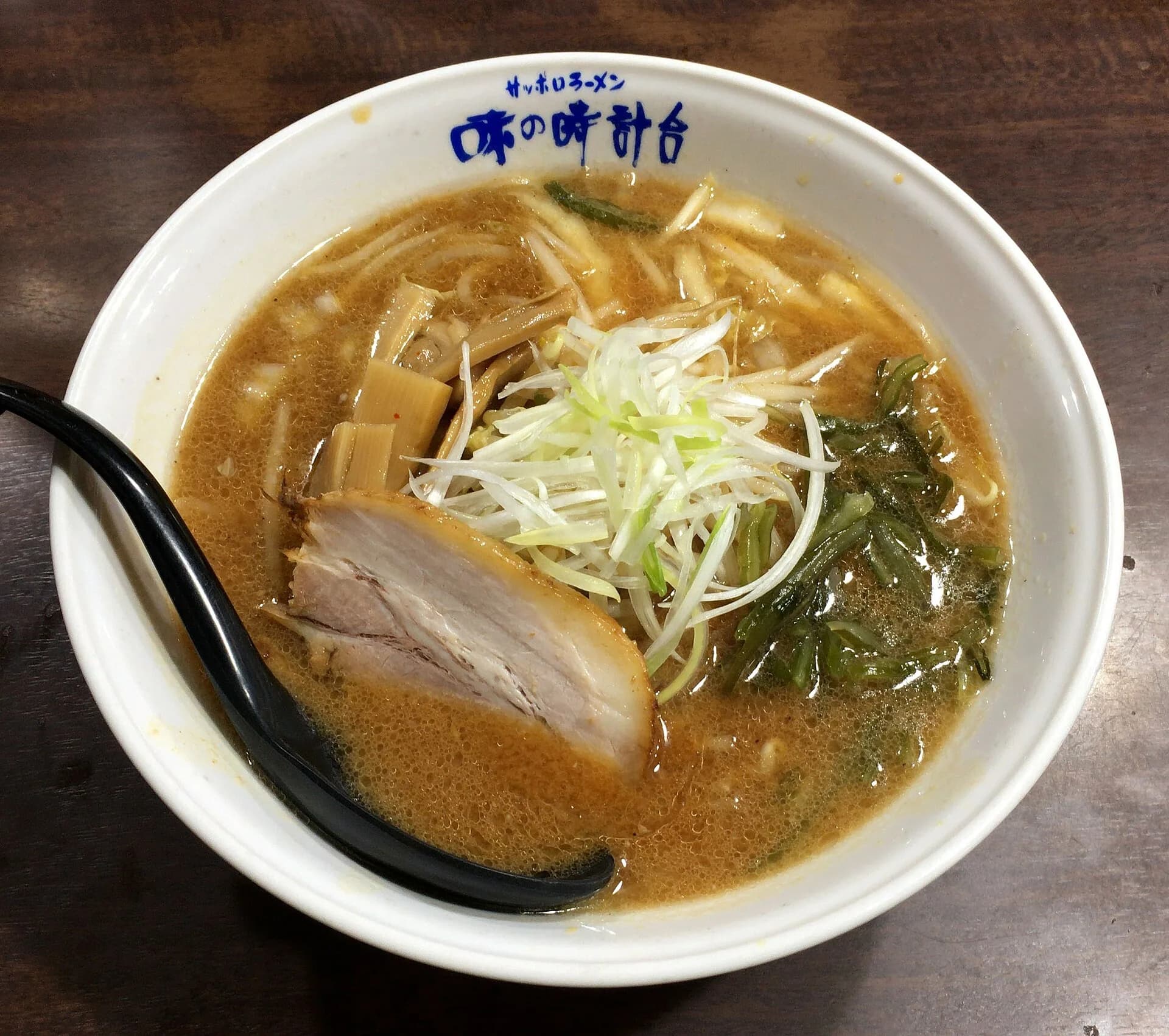
Soup curry menus often let you choose ingredients, heat and rice size. Spice scales differ between restaurants. A vegetable topping does not establish that the broth is vegetarian: ask about stock and seasonings if that matters to your diet.
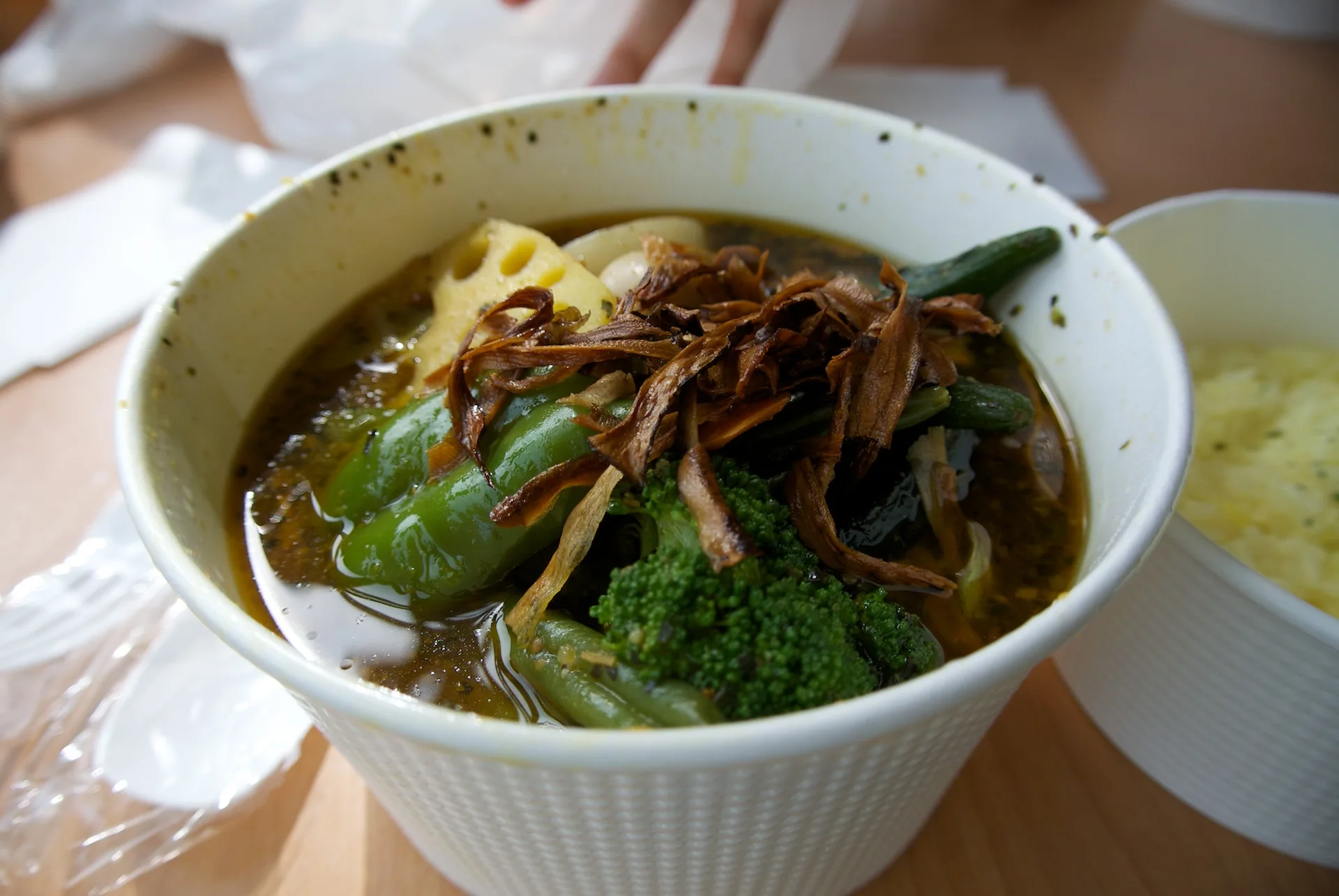
Our Sapporo food guide explains the dishes and areas. Compare the restaurant address with your hotel area before booking a late dinner.
Obihiro and Tokachi: butadon, sweets and dairy
Butadon is a pork rice bowl associated with Obihiro. Menus may offer different cuts, numbers of slices and rice portions, so compare the whole set rather than only the photograph. Leave room for a café or sweets stop if that is part of your day.
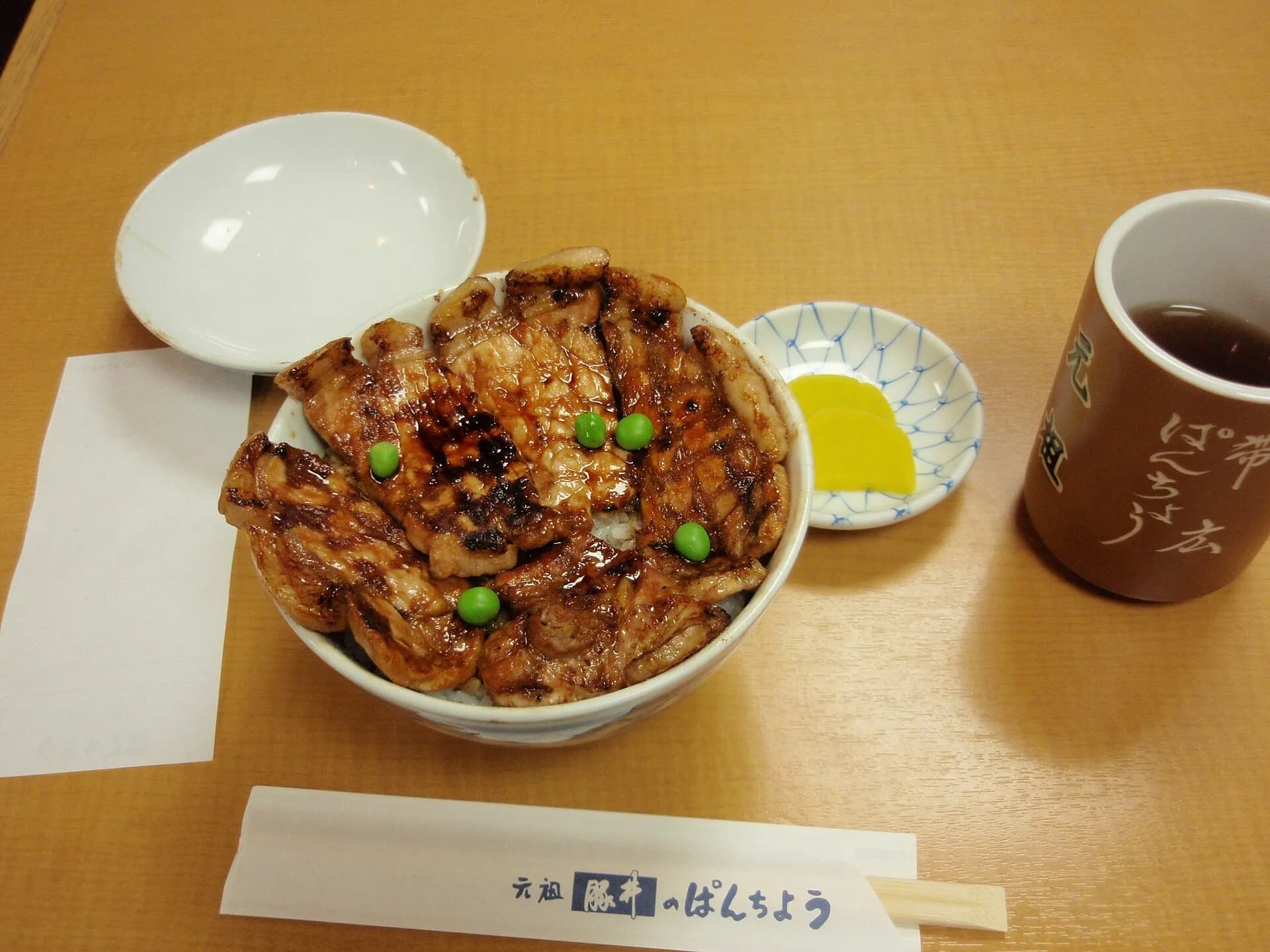
For farms and shops outside the centre, check the address, transport and seasonal opening dates. Use our Obihiro guide to put the meal into a wider Tokachi visit.
Plan a pork-bowl lunch and a sweets stop
Without a car, begin with one butadon restaurant and one confectionery shop you can reach from your station or hotel. A place described as being in Tokachi is not necessarily nearby. Put the addresses on a map before deciding whether to walk, use a bus or drive.
Compare the pork cut, number of slices, rice portion and included side dishes. If a café visit follows lunch, choose a portion that leaves you comfortable. For sweets to take away, ask which items need refrigeration and whether the packaging suits your remaining journey.
Editorial route idea: lunch in the city, a nearby sweets shop, then a café if you still feel like it. Add a countryside shop or farm only after checking the outward and return transport. One meal and one shopping stop can work better than spending the whole afternoon travelling between businesses.
Find candidates through the Obihiro tourism association’s butadon guide (Japanese) and use our Obihiro sightseeing guide for the wider visit. Confirm current menus and closing days with each business.
Hakodate: a market breakfast
Staying in Hakodate the night before makes a morning-market visit easier. Pick a seafood bowl, grilled fish or a set meal according to your appetite and budget. Check the opening time of the actual restaurant, not just the market as a whole.
Toppings depend on supply, season and the shop. A photograph is not a promise that every ingredient is available or locally caught. Ask about the day's selection and price before ordering. Our Hakodate page helps connect breakfast with sightseeing.
Fit breakfast around your hotel and departure
If the market is your main breakfast stop, consider whether you also need a hotel breakfast package. Decide what you want to eat and your budget per person, then check the bowl size and toppings before ordering. For someone who does not eat raw seafood, look for a restaurant with suitable cooked dishes before you arrive.
The market’s general visitor hours are not a promise that every restaurant opens or takes last orders at the same time. On departure day, work back from your train or flight, including luggage collection and the trip to the station or airport. Decide when you would switch restaurants rather than stay in a long queue.
Editorial route idea: market breakfast, back to your accommodation to organise luggage, then sightseeing. A substantial breakfast does not need to be followed by another large seafood bowl at noon; keep meal size and timing flexible.
Use Hakodate’s official morning-market information for location details and our Hakodate guide for sightseeing. Ask the shop about cooling and storage if you buy seafood to take away.
Otaru: sushi during a day trip or overnight stay
A sushi lunch can fit a day trip just as well as dinner fits an overnight stay. Choose the time around your walk and return transport; staying overnight does not determine the quality of the meal.
Check whether the menu is a fixed set, individual pieces or an omakase course. Confirm the price and any reservation conditions. If a counter seat matters, ask for it rather than assuming it comes with the booking. See our Otaru guide for the rest of the visit.
Choose a dining area before arranging your walk
Check whether a restaurant is near Otaru Station, the canal, Sakaimachi or Sushi Street/Hanagin. The Otaru tourism association’s dining directory (Japanese) lets you browse by cuisine and area, making it easier to find a meal along your route.
Editorial route idea: a morning canal walk, lunch, then shopping or a café around Sakaimachi before returning. Adjust the order to the restaurant’s address, your booking time and the station you will use. This is a planning example, not a timed route that every visitor needs to follow.
If sushi is the main meal, having lunch before a sweets stop can help you judge portions. Families and groups should check seating and any ordering requirements. Without a reservation, keep a nearby alternative and avoid committing to a queue just before your return train.
Our Otaru day-trip guide covers walking and return-station choices. Browse the food hub to plan meals for the rest of your trip.
Kushiro and Akkeshi: robatayaki and oysters
In Kushiro, robatayaki offers a way to choose grilled fish, shellfish and other dishes for the table. Ask the price of items marked as market price and order portions to suit your group.
Akkeshi is a separate stop, not another district of Kushiro. Its tourism association lists oyster dishes and other local food. Check your chosen restaurant's menu and hours, then allow time for the outward and return journeys. Use the Akkeshi tourism association's food directory (Japanese) alongside our Akkeshi guide.
Furano, Biei and Niseko: plan lunch between sights
A café or a meal featuring vegetables can make a useful break on a rural sightseeing day. Restaurants are not necessarily clustered around every attraction. Choose a lunch stop before leaving and keep a backup in case it is closed or fully booked.
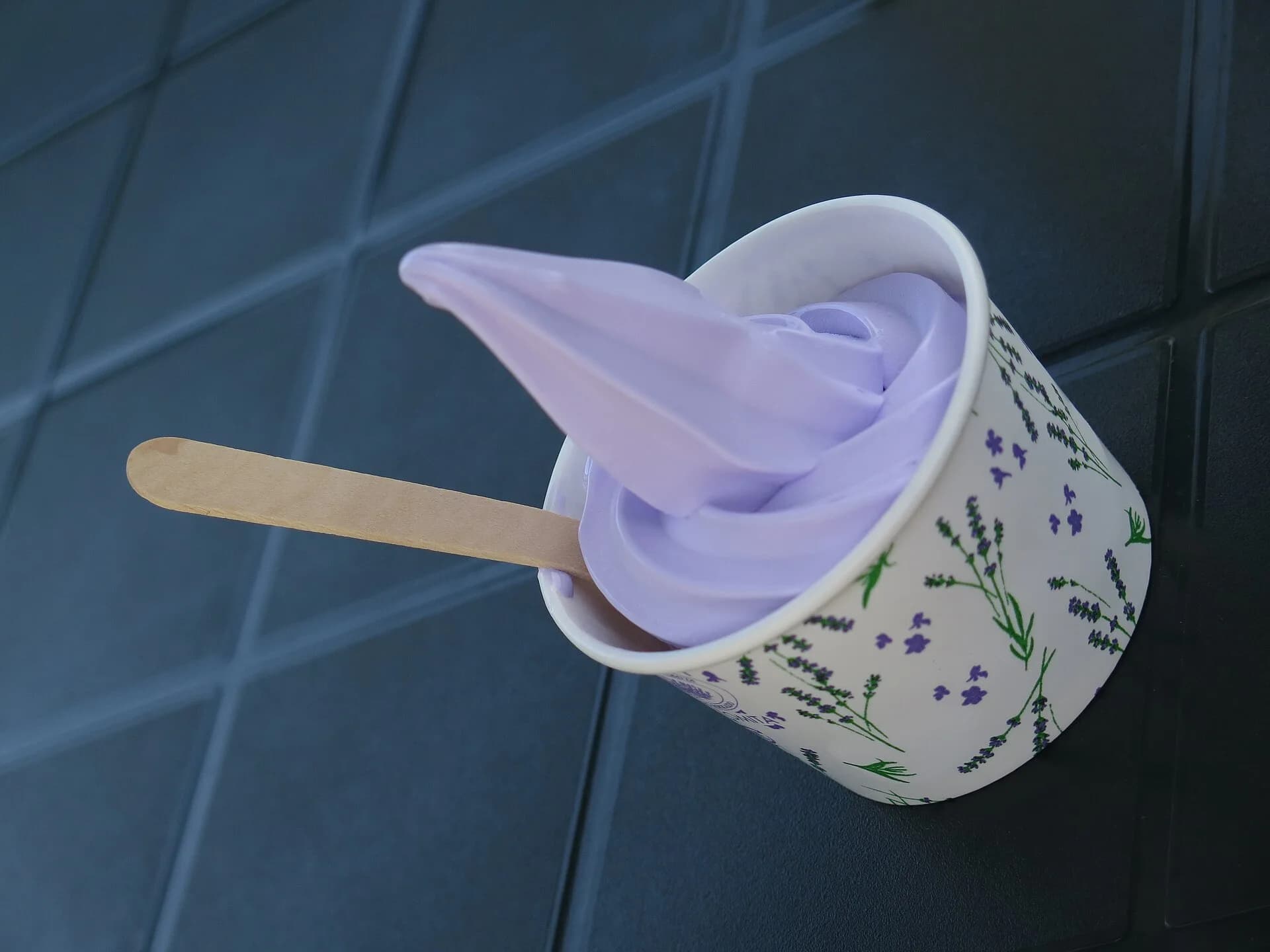
For winery visits, check whether tours or tastings operate on your date and whether reservations are required. Drivers should not drink. Our Furano–Biei guide and Niseko guide cover how to arrange the surrounding trip.
How to choose restaurants and budget
- Check the menu price, portion size and what is included. A seafood course and a rice bowl are different types of meal.
- Confirm opening days, last orders and any break between lunch and dinner.
- Ask about reservations, seating and children's entry conditions where relevant.
- For allergies or dietary restrictions, ask about broth, sauces and preparation as well as the main ingredient.
- For food to take home, ask the shop about cooling and storage during your remaining journey.
A market is not automatically cheaper, and food served in Hokkaido is not automatically produced in Hokkaido. Ask about origin if it is part of what you want to buy.
Booking a restaurant for a family or group
A free slot for your headcount does not answer whether everyone can sit together or order what they need. Before paying for a course, send one enquiry covering the whole party. The following is an editorial booking checklist, not a description of rules shared by every Hokkaido restaurant.
- People and seats: state the number of adults and children, children's ages, and whether a child needs a chair even without a separate meal. Ask whether the booking is one table, separate tables or counter seats. Check space for a stroller or large bags instead of assuming the seating count includes storage.
- What everyone must order: ask whether the whole table must choose the same course, whether children have a separate menu, and whether someone can order à la carte. Tell the restaurant about foods each person cannot eat before committing; a reservation request is not confirmation that a substitution is possible.
- Total and payment: request the total for your actual party, including any applicable tax, service or seat charges and required drinks. Ask whether an advance payment is deducted from the bill or is a separate booking fee. Record what remains to pay; do not count a deposit twice in the trip budget.
- Timing and changes: give your arrival time and any firm departure time. Ask about the seating period, whether the course can fit it, and the deadline and charge for reducing numbers as well as cancelling the whole table. Save the booking channel's contact details and late-arrival procedure.
For example, two adults and two children might need four seats but not four adult courses. Compare the restaurant's confirmed combination of meals and seats with a different restaurant's quote, not four times the advertised adult price. The family-travel guide helps coordinate the meal with the rest of the day.
A useful enquiry is: “For [date/time], we are [adults] and [children, ages]. We need [seats/storage] and must leave by [time]. Can we sit together, which meals must we order, and what is the total including required extras? Please confirm payment, number-change and cancellation terms.” Wait for confirmation of the requested arrangements before treating them as booked.
Choose one lead contact for the group and share the confirmed address, time and booking reference. A nearby fallback restaurant can be a shortlist rather than a second reservation; if you hold another booking, manage its cancellation terms separately. When transport runs late, contact the restaurant through the agreed channel rather than assuming the table or course can be held.
Choose a route for the meals you want
Use the meal as a reason to choose a region, not as an extra detour after every day is already full. These are alternative trip shapes, not stages to combine into one holiday:
- Sapporo dishes and Otaru sushi, with one hotel: Start with the three-day Sapporo and Otaru itinerary. Keep both nights in Sapporo and use the Otaru day for lunch and a café stop. A late arrival or early departure reduces the meals you can plan; do not count three calendar days as three full sightseeing days.
- Hakodate market breakfast as part of a southwest trip: Compare the five-day southwest itinerary before choosing restaurants. Its summer driving loop includes a Hakodate overnight stay, but changes base each night. The separate car-free alternative on that page does not visit Hakodate. If breakfast is the main reason for going, protect the Hakodate night and morning rather than adding a return trip from Sapporo.
- Obihiro pork bowls and sweets on the way east: The ten-day summer-to-early-autumn itinerary includes an Obihiro night after Furano and Biei. It requires driving from day 3 and an onward departure from Memambetsu. It does not include central Kushiro or Akkeshi: oyster or robatayaki plans need a changed route or extra time, not an assumed stop on the way to the lakes.
For a snowy-season visit, start again from the car-free winter itinerary rather than carrying either driving route into winter unchanged. Book the transport and overnight bases before a non-refundable meal, and check whether your hotel already includes dinner.
Put food into the route
Choose one meal you especially want to plan around each day, then leave the other meals flexible. If dinner is a fixed reservation, allow a buffer after sightseeing and transport. Compare the seven-day itinerary with the driving and transport guide before adding a distant food stop.
Official directories checked on 11 October 2026: Hokkaido food information (Japanese) and Sapporo tourism association's food overview (Japanese). The route and booking suggestions above are NLH editorial advice; individual restaurants' current details still need checking.
Compare sushi, seafood bowls and cafés in Otaru Hakodate food: breakfast, ramen and bay-area meals Obihiro pork bowls and sweets guideBook what's in this guide
These are affiliate links. We may earn a commission if you book — the price you pay is the same. Learn more

Viator links open a regional or category list, not a single tour. Check each activity's location and dates before booking.
Northern Land Hokkaido Team — Sapporo, Japan