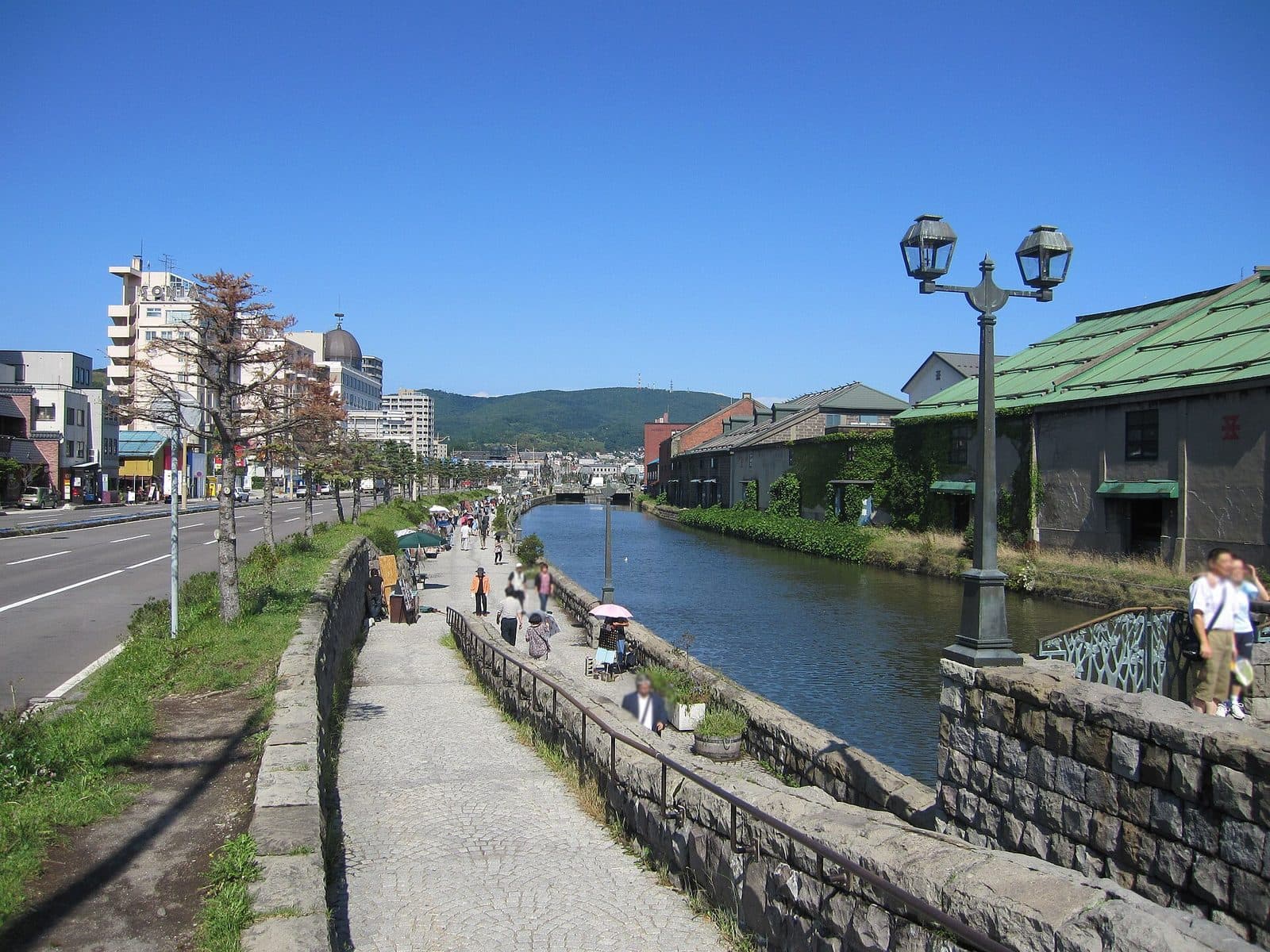
Five days is enough to focus on one part of Hokkaido, not to see the whole island. This southwest loop leaves New Chitose for Otaru, Niseko and Lake Toya, continues to Hakodate, then returns through Noboribetsu. It is one way to connect those places with a rental car; check each road leg against your own accommodation and plans.
The main route is a rental-car loop, with a smaller car-free alternative below. The loop only works if your arrival leaves enough time for car collection and your departure leaves enough time for the final drive and return. Use NEXCO East's Drive Plaza and your chosen road map to check the actual route, tolls and stops before booking. Want to explore a separate itinerary idea? Open the trip planner →
If you haven't already decided that a car-based loop is the right call for your trip, our guide to planning a Hokkaido itinerary walks through how to choose a region and how many days you actually need. If you choose the loop, the day-by-day driving route below explains the transfers. If you prefer trains, compare the separate five-day alternative first.
This is a loop, rather than an out-and-back through Sapporo. You fly into New Chitose, travel through southwest Hokkaido and return to the same airport. Check the connections on a map before treating it as the right shape for your trip: a hotel location, flight time or one additional stop can change the practical route.
The route below is for summer travel. In winter, do not carry the driving assumptions into a new itinerary: consider the car-free winter itinerary, which is built around public transport and stays at two bases.
Moving every night, or keeping a base?
This loop uses four different overnight bases in five days — Otaru, Lake Toya, Hakodate and Noboribetsu — so you pack and move on three of the four mornings. That is the price of reaching Hakodate and back, and it is worth deciding deliberately rather than discovering on day three. The alternatives are not lesser trips — they are different ones.
| Shape | What you see | What it costs | Suits |
|---|---|---|---|
| This loop: four bases | Otaru, Niseko, Lake Toya, Hakodate and Noboribetsu in one week's worth of ground | Most days start with packing and a drive; each place gets an evening and a morning | Travellers who want the southwest coast and are content to see it in motion |
| Two bases: Sapporo, then Hakodate or Lake Toya | Two areas properly, with day trips from each | Dropping half the list above | A first visit that should not feel like a relay |
| One base in Sapporo | The city, plus Otaru, Noboribetsu or Lake Shikotsu as day trips | Hakodate, which is too far to reach and return from in a day | Anyone travelling with children, or without a driver who wants long days at the wheel |
Our Sapporo day-trip comparison covers the single-base version, and the itinerary planning guide helps if you are still choosing between regions.
What a transfer day actually costs. Check-out, loading the car, the drive itself with a stop for lunch and a break, then check-in and unpacking: on our planning assumptions that leaves room for one substantial stop, not three. Days 2, 3 and 4 below are all transfer days. We would keep one substantial stop on each and take a second stop out of another day. An early start does help if you want more than that — but plan it as a longer day rather than assuming the hours appear on their own, and ask the next hotel about early check-in or luggage drop rather than counting on arriving straight into a room.
Can you do five days in Hokkaido without a car?
Yes, with a smaller route: three nights in Sapporo and one in Noboribetsu Onsen, with Otaru as a day trip. This is an alternative to the southwest driving loop, not a way to visit all its stops by train. It leaves out Niseko, Lake Toya and Hakodate and changes hotel only once.
On a small screen, scroll the table horizontally.
| Day | Plan | Sleep | Check first |
|---|---|---|---|
| 1 | New Chitose Airport to Sapporo; dinner near the hotel | Sapporo | Arrival time, airport train and hotel check-in |
| 2 | Otaru Canal, lunch and Sakaimachi; return to Sapporo | Sapporo | A train bound for Otaru and the return journey |
| 3 | Sapporo walks, food and a flexible afternoon | Sapporo | Choose one area; keep room to swap days 2 and 3 for weather |
| 4 | Train to Noboribetsu Station, then bus to the onsen hotel | Noboribetsu Onsen | Reserved train seat, local bus and ryokan dinner deadline |
| 5 | Bus back to the station, rail via Minami-Chitose to the airport | — | Connections that fit the airline's check-in deadline |
Book the same Sapporo hotel for nights 1–3 and an onsen-area property for night 4. Leave the large bag at your booked hotel for the Otaru day trip only if the hotel agrees. For a shorter Otaru walk, the canal and one meal can be enough; our Otaru day-trip guide helps you choose between a short visit and a full day.
For day 3, choose meals around your sightseeing instead of crossing the city for every dish. Compare actual dining areas in the Sapporo food guide, then use the hotel-area comparison to place your base. In winter, allow for snow underfoot and check transport operation before leaving.
The connections and tickets for the car-free plan
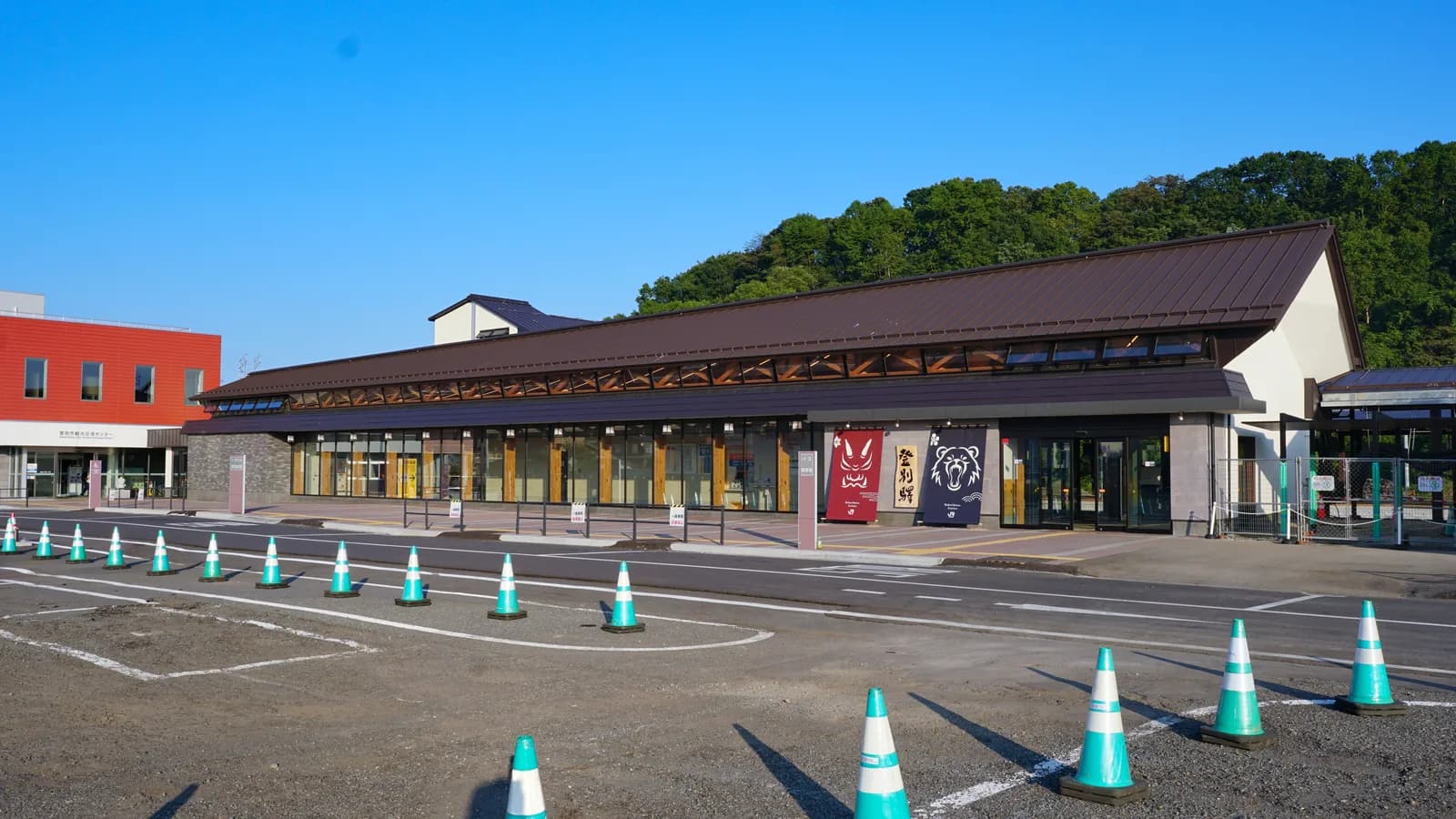
The railway station is not the onsen hotel. On day 4, allow for the local bus and the walk from the bus stop. Confirm your property's nearest stop, dinner time and any shuttle reservation before choosing the train. Our Sapporo and Otaru to Noboribetsu guide compares the rail-and-bus and express-bus options.
JR Hokkaido's airport-train guide explains the New Chitose–Sapporo–Otaru corridor and the Minami-Chitose connection for Noboribetsu. Check that your day-trip train reaches Otaru. For the limited express to Noboribetsu, arrange the correct ticket and seat: JR Hokkaido's limited expresses have been all reserved-seat services since 14 March 2026 (Japanese).
For the last leg, Donan Bus's official station-to-onsen route states that Kitaca and Suica cannot be used on these services. Do not assume that the IC card used on a city train covers the bus. Prepare another payment method accepted on your departure; contactless Visa is listed only for NA and NB services. Check the return timetable separately.
An early flight may require a different final night. Work backwards through the bus, rail connection and airport procedures. If the connections do not fit, move the onsen stay earlier and spend the final night near the airport, or omit the onsen overnight. Being in Sapporo the night before does not by itself guarantee an early airport arrival.
This five-day schedule is an NLH editorial suggestion, not a timed test trip. Official transport sources above checked on 15 October 2026. Timetables, availability and operating conditions for your dates still need checking.
Day 1: New Chitose → Sapporo → Otaru
Land at New Chitose, pick up the rental car, and spend your first hours in Sapporo — Japan's fifth-largest city and the island's hub, where ramen alleys and craft beer (brewed here since 1876) do a lot of the convincing. If food is your priority on day one, our Sapporo food guide covers the full lineup: miso ramen, soup curry, jingisukan, and the midnight parfait if you're still standing.
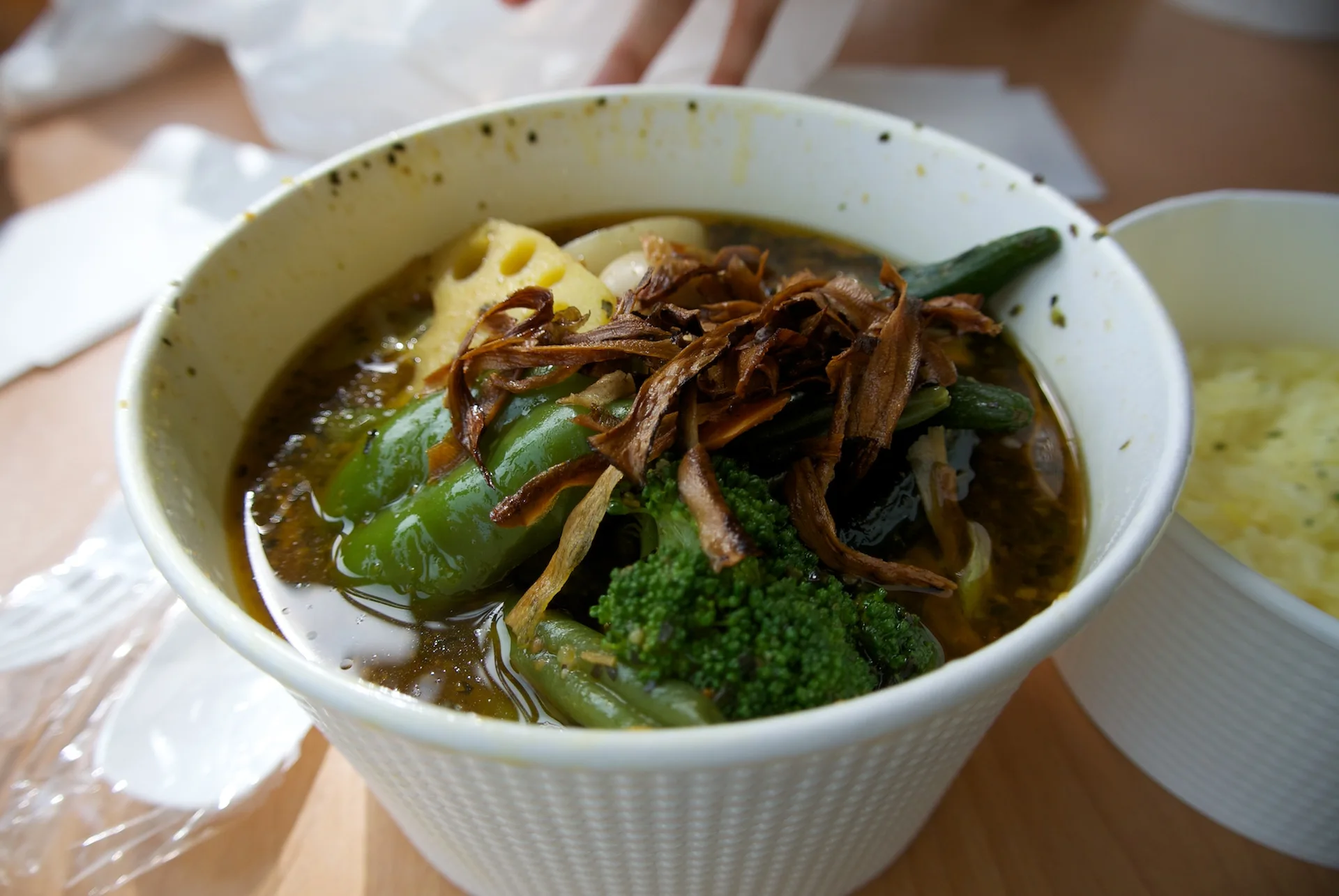
Drive to Otaru after allowing for car collection and any time you choose to spend in Sapporo. Treat the arrival-day city stop as optional if your flight is late. An Otaru overnight lets you keep the following morning in the same area rather than returning to Sapporo.
If your flight lands late, do not try to rescue day 1. The handover does not happen in the terminal — rental companies shuttle you to an office in Chitose City — so ask your company for the latest pickup on your booking rather than reading the counter's opening hours as a deadline. If that time has passed, sleep near the airport, collect the car in the morning and drop the Sapporo stop instead of driving an unfamiliar road to Otaru at night. Landing late at New Chitose covers where to stay and what to check in what order.
Day 2: Otaru → Niseko → Lake Toya
From Otaru, head inland to Niseko — specifically the quieter, Niseko Town side of the valley, with its farm-to-table restaurants and views of Mt. Yotei, away from the resort bustle of Hirafu village. If you want the full picture of how the Niseko area actually fits together (it's more confusing than it looks on a map), our Niseko travel guide explains the geography properly.
Continue on to Toyako (Lake Toya). Check the whole Otaru-to-Lake Toya route with your Niseko stop included before committing to a meal or check-in time at the lake.
Day 3: Lake Toya → Hakodate
Travel south from Toyako to Hakodate and keep the transfer as the main commitment for the day. Check the hotel approach and any timed plan after you have selected the road route. An overnight gives you a full evening and following morning in Hakodate instead of turning it into a pass-through.
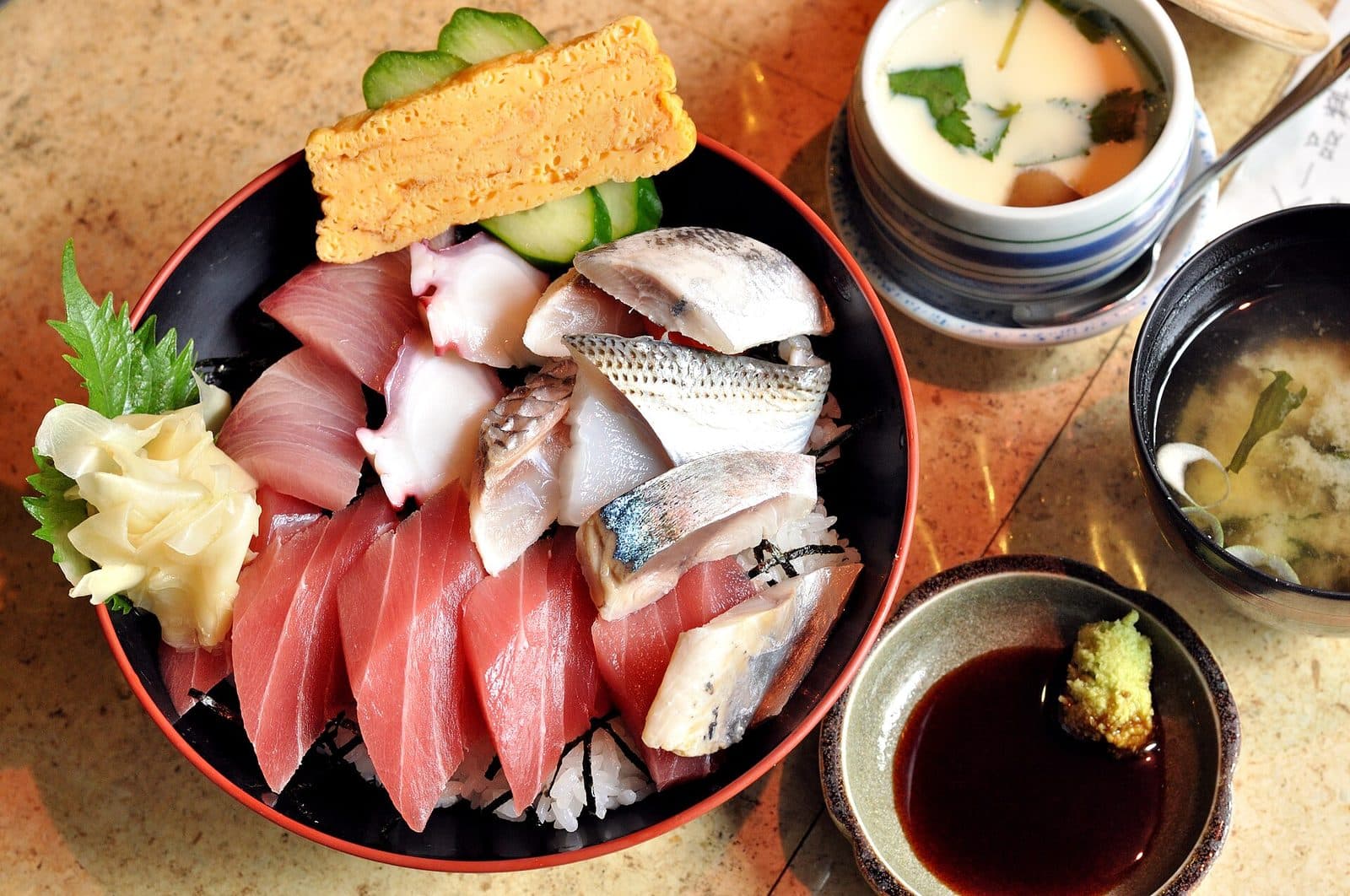
This is also the halfway point of the loop, geographically and psychologically. From here, every remaining drive points back toward the airport.
Day 4: Hakodate → Noboribetsu
Head north toward Noboribetsu and make it the day’s main transfer. If you book a ryokan meal, confirm its arrival deadline before deciding what to do in Hakodate that morning. After several transfer days, use the evening for the onsen stay rather than another long detour.
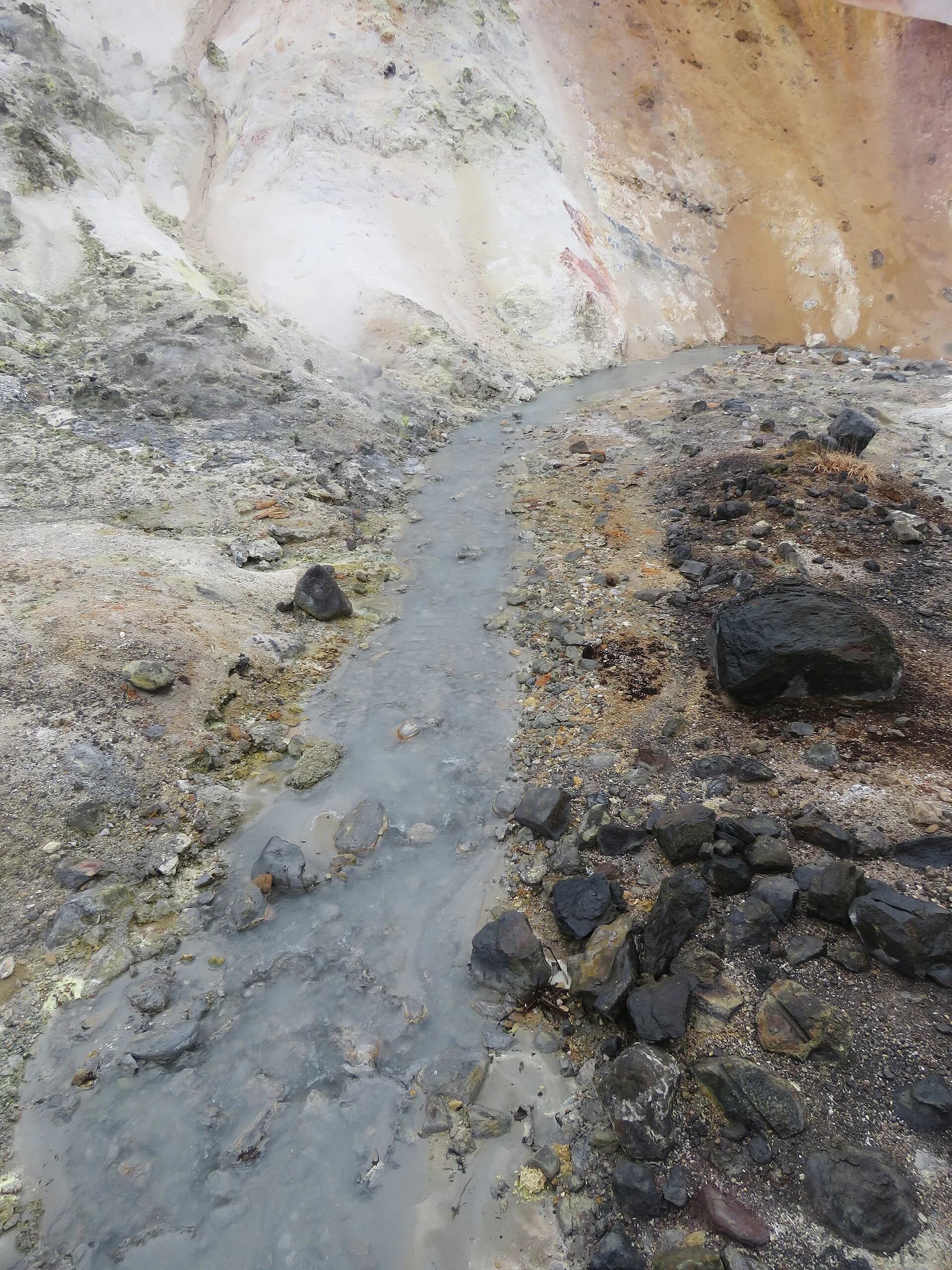
Day 5: Noboribetsu → New Chitose Airport
Plan this as a return-to-airport day, not an extra sightseeing day. Check the road route from your Noboribetsu accommodation to the rental return office, then add refuelling, the handover and the airport transfer before comparing it with your airline’s deadline.
An early flight changes where you spend night 4. Work backwards from the check-in deadline through the shuttle from the return office, the return itself, refuelling and the drive from Noboribetsu. If that chain starts before the ryokan serves breakfast, the onsen night is doing you no good: move night 4 to the airport area and either shorten the Hakodate leg or hand the car back the previous evening. Either version keeps the morning simple, which matters more on the day you fly than the address on the last booking.

If Hakodate is the priority: a different four-night rail plan
Give Hakodate two nights by replacing the route, not adding it to the Sapporo–Otaru–Noboribetsu plan. One planning option for New Chitose return flights is one night in Sapporo, two in Hakodate and a final night near New Chitose Airport. It drops Otaru, Niseko, Lake Toya and the Noboribetsu overnight. This is an editorial outline, not a checked timetable; confirm the trains and hotel transfers for your dates before booking.
- Day 1 — arrive and stay in Sapporo: keep the evening near the hotel. An arrival too late for the Sapporo connection calls for an airport-area night and a separately checked departure route on day 2, not a promise that the same train plan will work.
- Day 2 — transfer to Hakodate, first night: make the rail journey and hotel arrival the main commitments. Leave any evening sightseeing flexible until you know when you can drop your bags and eat.
- Day 3 — full day in Hakodate, second night: choose the city sights you most want without packing or moving hotel. Two evenings give you another opportunity to consider the Mt. Hakodate night view, but do not guarantee clear weather or operation. Keep restaurant and activity changes within their booking conditions.
- Day 4 — leave Hakodate and stay near New Chitose: protect the return journey rather than adding an onsen detour. Select a specific hotel and confirm how you reach it from the station, and how you reach the terminal the next morning. “Airport area” does not mean walking distance or a shuttle that fits every flight.
- Day 5 — fly home: check the hotel's first usable transfer against your terminal and airline deadline. If it does not work, change the hotel or flight before paying.
Use the Sapporo–Hakodate transport comparison for the outward leg. For the return, check the actual Hakodate-to-airport connection rather than buying a Sapporo return by habit: the hotel you choose determines the final station and onward transfer. Reserve the required train seats and include station access, bags and meals in the transfer day. This rail plan is separate from the rental-car loop above; do not assume a rental contract or return office transfers with it.
Compare the whole four-night booking, not just the extra Hakodate night
Write the two options side by side: Sapporo 3 + Noboribetsu 1 versus Sapporo 1 + Hakodate 2 + airport area 1. Both total four nights. Compare rooms for the same party, included meals, all rail and local transfers, and any cancellation charges on bookings already made. Removing a dinner-and-breakfast onsen plan means budgeting those meals elsewhere, not treating its entire room price as a saving. The Hokkaido trip-budget guide provides a place to separate confirmed costs from unpriced connections.
Before changing reservations, confirm the replacement rooms, the rail seats and the last-morning transfer as one workable chain. Record the old bookings' cancellation deadlines and release them deliberately once the replacement is confirmed. If the flights and available trains leave too little useful time in Hakodate, keep the smaller original route or reconsider the airport pair; do not squeeze the full loop back into the remaining days.
Making this route your own
Maybe you want an extra night in Hakodate instead of Noboribetsu, or you would rather swap the Otaru overnight for Niseko. Change an overnight rather than adding another stop: every substitution changes the following driving day. For a car-free trip, use the smaller Sapporo–Otaru–Noboribetsu plan above rather than trying to reproduce this whole loop by public transport. Create another itinerary idea in the trip planner → — compare its suggestions with your actual accommodation and current transport information before booking.
If you had two more days
With seven days, consider a different route rather than adding more stops to this loop. Our 7-day Hokkaido itinerary combines Sapporo and Otaru with two nights around Furano and Biei and an onsen overnight in Noboribetsu. It leaves out Hakodate to make room for the countryside stay.
For an airport leg before or after your onsen stay, our New Chitose–Noboribetsu transport guide compares the direct bus, rail connection and driving considerations. Treat the onsen town and Noboribetsu Station as separate stops when budgeting the transfer.
Find a place to stay
These are affiliate links. We may earn a commission if you book — the price you pay is the same. Learn more

Northern Land Hokkaido Team — Sapporo, Japan