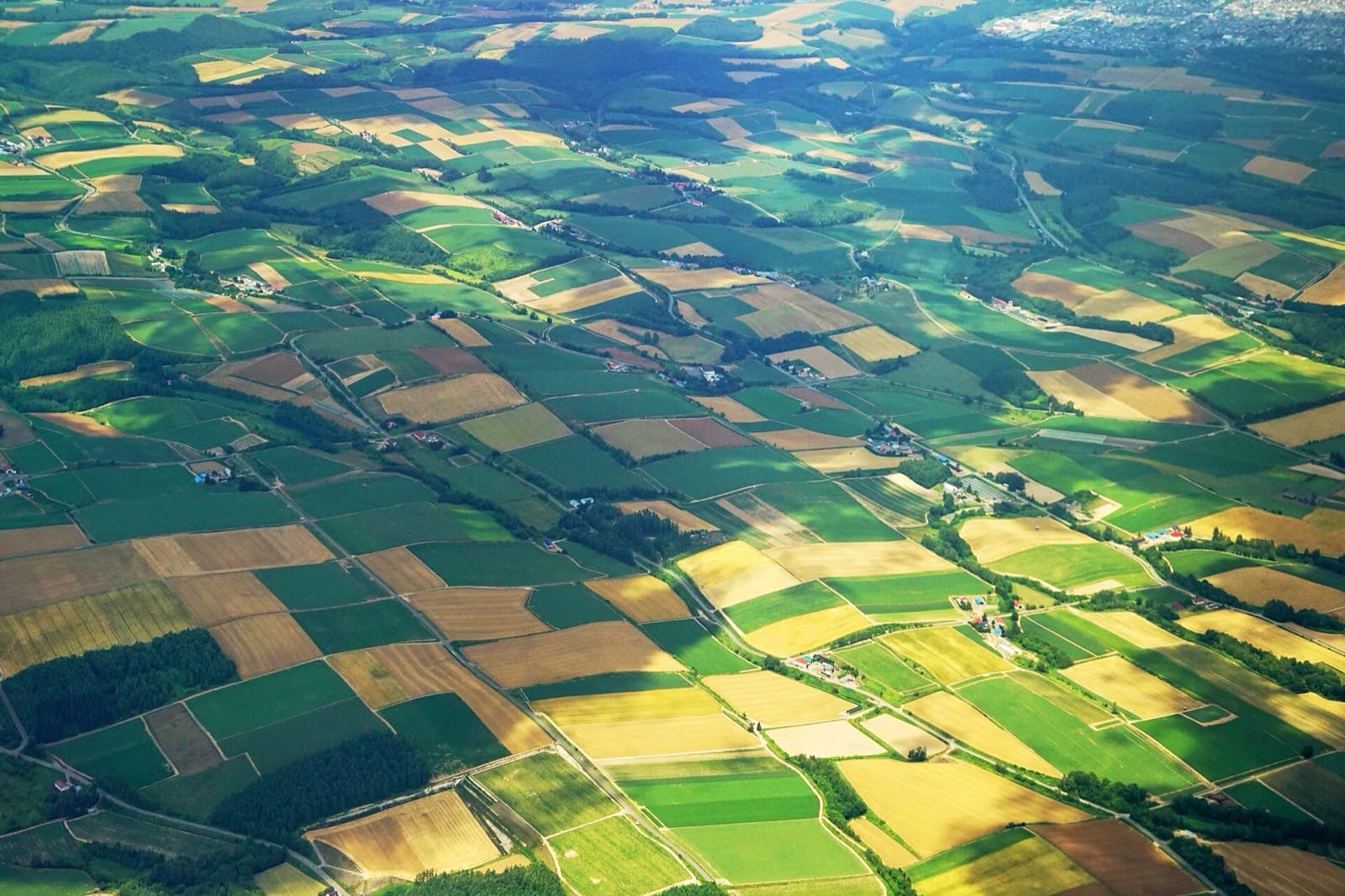
Here is the mistake almost every first-time visitor makes: they look at Hokkaido on a map of Japan, mentally shrink it to the size of a prefecture, and plan to "do Hokkaido" in four days.
Hokkaido is about the size of Austria. Sapporo to Shari, the gateway town for Shiretoko, is 424 km and about six and a half hours of driving in summer — closer to eight in winter, by the same calculation that runs our drive-time data. That is a full day gone, not a morning. You cannot see this island in one trip, and the good news is you don't need to. The best Hokkaido itineraries pick two or three regions and let the rest wait for next time.
Step 1: Decide your trip's personality
Every region of Hokkaido leans a different way. Pick the two that sound most like your trip:
- City food and nightlife → Sapporo and Otaru (Ishikari / Shiribeshi)
- Flower fields and postcard hills → Furano and Biei (Kamikawa)
- Farm country, gardens, open plains → Tokachi and Obihiro
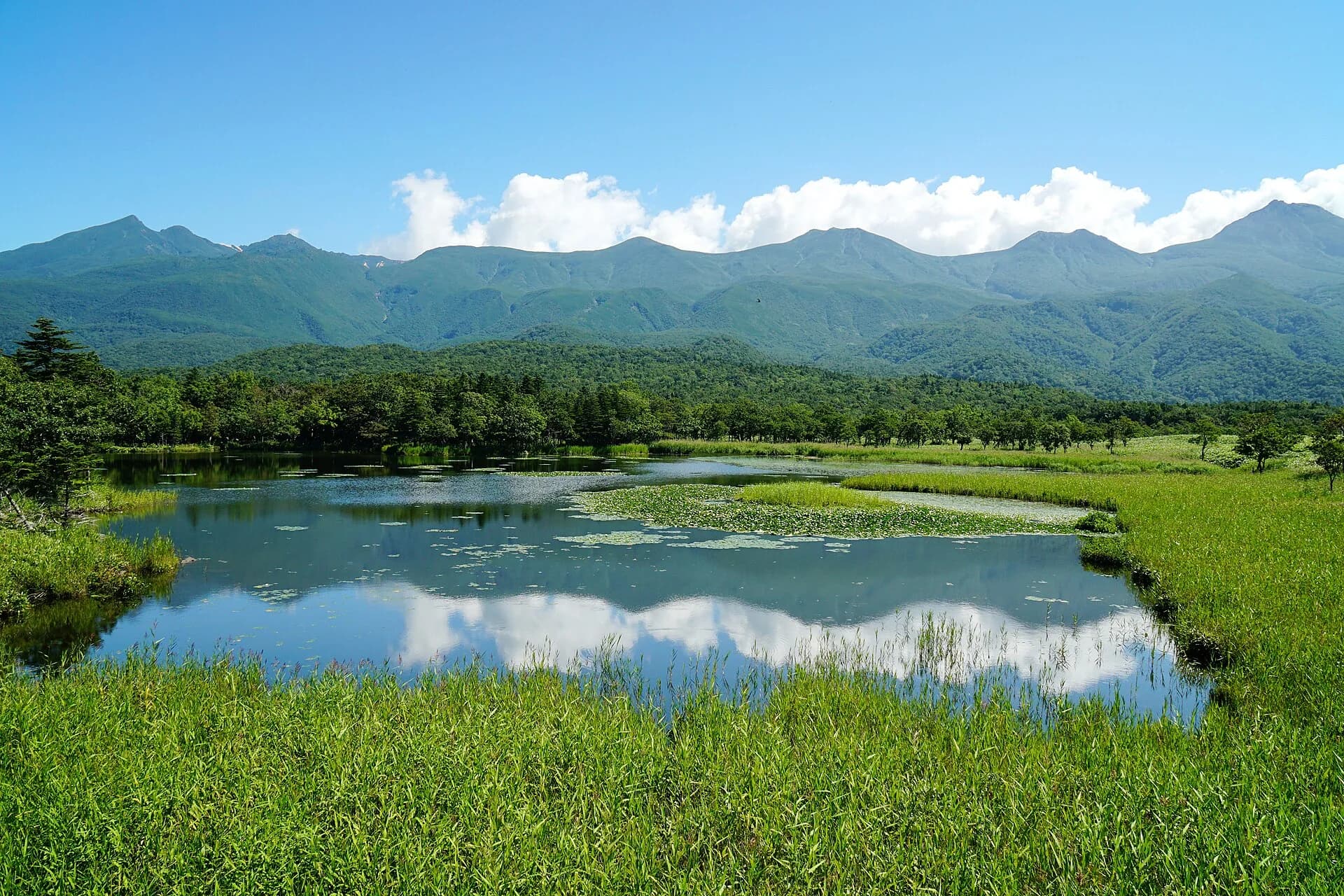
- Wilderness, wildlife, national parks → Shiretoko, Akan–Mashu, Kushiro's wetlands (the east)
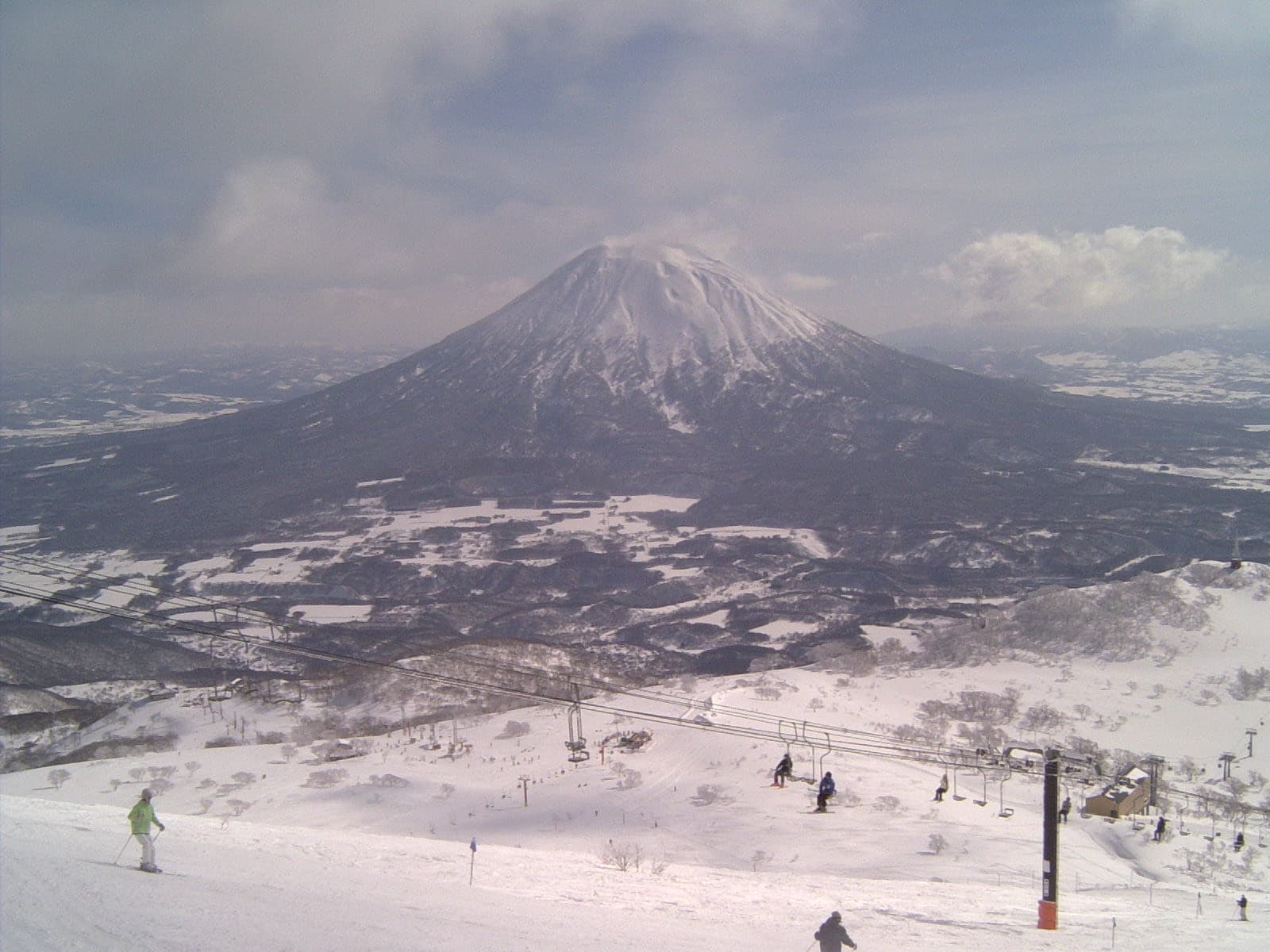
- Powder snow → Niseko, Rusutsu, Furano (winter only)
- The far north and islands → Wakkanai, Rishiri, Rebun (June–August)
Our interactive map on the homepage exists for exactly this step — click around, see what's actually near what. If you'd rather start from a shortlist, the best places to visit in Hokkaido goes region by region.
Step 2: Count your days honestly
- 4–5 days — one region plus Sapporo. Don't try more.
- 7 days — the classic first trip: Sapporo + central Hokkaido (Furano/Biei), or Sapporo + the east.
- 10–14 days — a proper island crossing: west to east with time to actually stop.
A useful rule: every time you change regions, you lose half a day to driving or trains. Three hotels in seven days is comfortable. Five is a logistics exercise.
Step 3: Pick your airports — this is the biggest lever
Almost everyone flies into New Chitose (CTS) near Sapporo and flies home from it too. For a southwest trip that's correct. For anything east, it quietly adds a day of backtracking to your itinerary.
Hokkaido has regional airports scattered across the island, and most connect to Tokyo as well as Sapporo:
- Asahikawa (AKJ) — the shortcut to Furano, Biei and Daisetsuzan.
- Memanbetsu (MMB) — the Shiretoko and Abashiri airport.
- Kushiro (KUH) — Kushiro Marsh and the Akan–Mashu lakes.
- Obihiro (OBO) — Tokachi farm country.
- Hakodate (HKD) — the far south, also reachable by shinkansen.
- Wakkanai (WKJ) — the far north and the Rishiri/Rebun ferries.
Flying into one and out of another is the single most effective itinerary upgrade available, because it converts a loop into a line. A trip to the east that lands at New Chitose and departs from Memanbetsu skips the entire drive home. Our 10-day itinerary is built around exactly this idea.
Two things to check before you commit:
- One-way rental car fees. Dropping a car at a different branch is possible and normal here, but distant drop-offs carry a surcharge. Get the quote before you plan around it — sometimes it's trivial, sometimes it costs more than the extra flight saved.
- Regional flight frequency. Small airports may have only a couple of departures a day, which constrains your last morning.
Step 4: Car or train?
Rent a car if your plan includes Furano/Biei back roads, Tokachi's garden route, or anything east of Kushiro. That's where Hokkaido's real magic lives, and public transport out there is thin.
Trains work well for the Sapporo–Otaru–Hakodate corridor and for reaching Asahikawa. If your whole trip is cities, skip the car and use the JR lines — JR Hokkaido also sells regional rail passes, which are worth pricing against individual tickets if you're doing several long legs.
The honest split: a rail trip in Hokkaido is a city-and-onsen-town trip. The flower hills, the farm roads and the national parks assume a car. Trying to reach Biei's patchwork hills or Shiretoko's Five Lakes on public transport is possible but will eat your days.
Winter changes the math: if you've never driven on serious snow and ice, don't make Hokkaido in January your first attempt. Take trains and buses, or book tours — our winter itinerary is upfront about which legs you can hand over.
The mistakes worth avoiding
Five patterns we see constantly:
1. Basing in Sapporo and day-tripping everywhere. It looks efficient — one hotel, no packing. In practice it means Furano is a nine-hour round trip for a few hours of lavender, and Shiretoko is off the table entirely. Move your base. Hokkaido punishes hub-and-spoke planning harder than almost anywhere in Japan.
2. Booking Furano in August for lavender. Peak bloom is July. August is still beautiful and green — but if lavender is the reason for the trip, the date isn't flexible. Furano & Biei has the timing.
3. Treating Shiretoko as a day trip. It's six and a half hours from Sapporo each way. Two nights minimum, or don't go this time.
4. Underestimating winter drive times. Every leg is roughly a fifth slower, daylight is short, and mountain passes close. Plan winter days to finish before dark.
5. Too many regions. The trip people remember is the one where they stopped for a farm stand and stayed for the view. Three regions in seven days is already ambitious.
Two shapes that work
These are the frameworks; the full day-by-day versions live in their own guides.
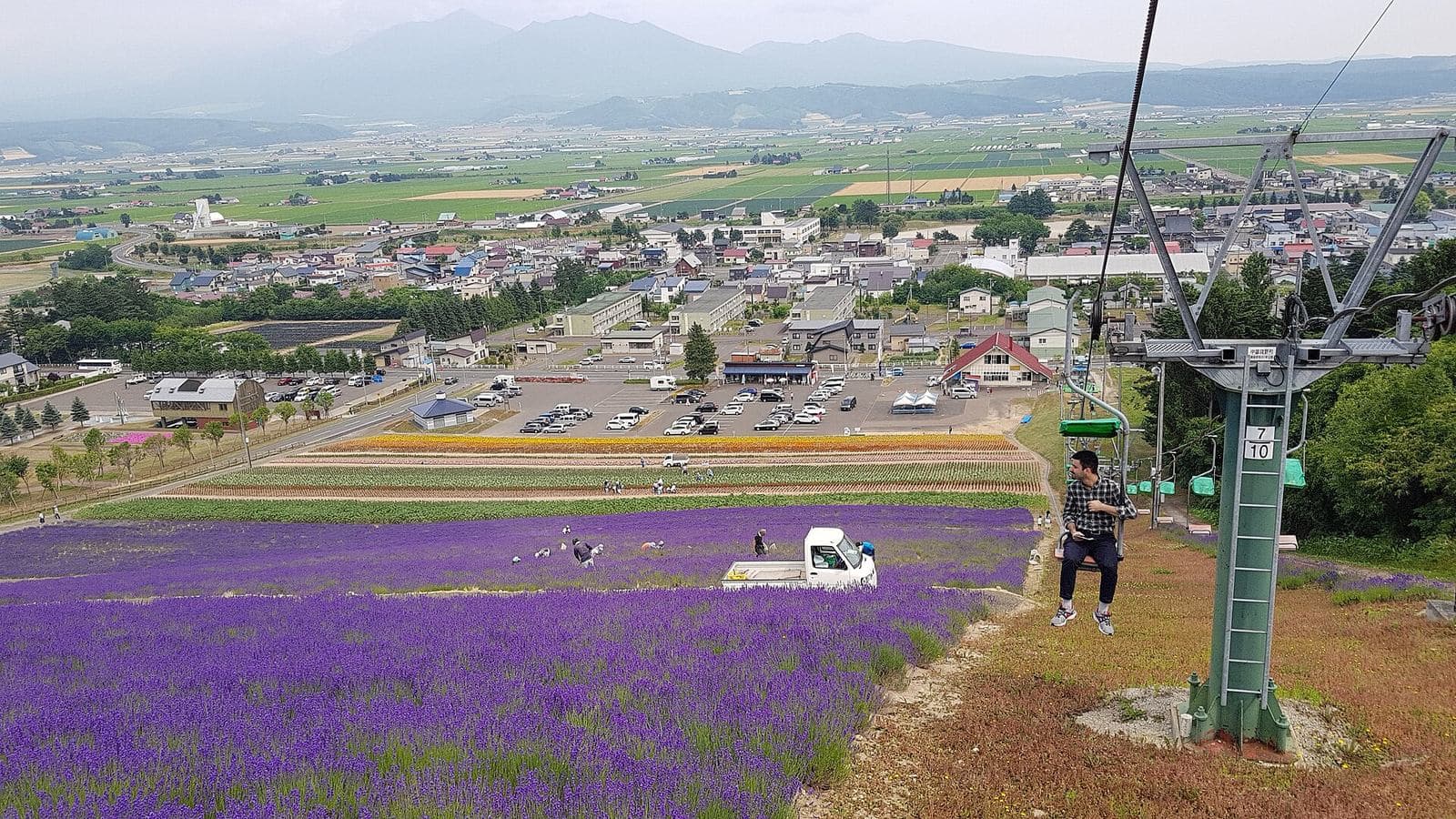
Route A: The First-Timer (7 days, summer) — Sapporo and Otaru, then Furano and Biei for the hills, then over the mountains into Tokachi for farm country and moor hot springs, out via Sapporo or Obihiro. Central Hokkaido, one long drive, no backtracking if you fly out of Obihiro.
Route B: The Wild East (7–8 days, June–September) — fly straight to Kushiro and skip Sapporo entirely. Kushiro Marsh and the caldera lakes of Akan–Mashu, then Shiretoko for two or three nights, out along the Okhotsk coast via Abashiri and home from Memanbetsu. No repeated roads at all.
Route B is the trip most first-timers don't consider and most repeat visitors wish they'd done first.
When to come
Every season is a different island. July–August for flowers and road trips, September–October for autumn colors and food, January–February for powder and drift ice, June for green quiet. Autumn starts earlier here than the rest of Japan — see Hokkaido in Autumn.
The only months that need managing are April–May, when the snow is melting and the green hasn't arrived — beautiful in the south (cherry blossoms reach Hokkaido in late April), muddy in the mountains.
Fit stays, meals and activities into each day
Build each day around where you sleep and how you will actually travel, not around a list of sights. Then check the three pieces in this order:
- Your base: use the where-to-stay guides to choose an area, then check how you get back in the evening and how easily you can set off the next morning.
- Your meals: use the Hokkaido food guides to choose meals or places to eat along that day's route. If breakfast or dinner is included in your room rate, don't add its cost to your budget again.
- Your activities: before booking anything from the activities and experiences guide, confirm the actual meeting point and time, who can take part, and how you get back afterwards — then leave room for meals and rest.
What to book first
Order matters more than people expect, because the scarce things aren't the hotels:
- The rental car, if summer or winter. Automatics go first, and winter demand is real.
- Accommodation in Furano/Biei for July, which sells out earliest of anywhere on the island.
- Shiretoko cruises and Five Lakes guided slots, and any drift-ice activity in February.
- Regional flights, if you're doing the open-jaw trick — those seats are limited.
- Everything else can usually wait.
The bottom line
Pick two regions. Fly out of a different airport than you flew into if you're going east. Rent the car if you're leaving the cities. Give yourself one more night per place than feels efficient — Hokkaido rewards the traveler who stops driving in time to watch the light change over somebody's barley field.
Choose a day-by-day itinerary
Compare these day-by-day plans by available time and transport. The seven-day option combines rail travel with a countryside stay; the five-day guide has both a southwest road trip and a smaller car-free plan, while the ten-day option is a road trip. Our free route planner generates alternatives from your preferences rather than loading each article's schedule exactly:
- The 5-day itinerary — compare the southwest driving loop with a car-free alternative: three nights in Sapporo, an Otaru day trip and one night in Noboribetsu Onsen.
- The 7-day itinerary — six nights across Sapporo, Furano/Biei and Noboribetsu, with an Otaru day trip and a no-car alternative.
- The 10-day itinerary — the grand loop that reaches Shiretoko, Akan–Mashu and the wild east.
Travelling with children
A standard route is not a minimum checklist. Our Hokkaido with kids guide starts with rest times, room conditions and a slower five-day Sapporo base, so you can decide what to leave out before booking.
Price the whole trip before booking
Use the Hokkaido trip budget worksheet to separate per-room and per-person costs, compare full transport totals and avoid counting included meals twice.
Planning an April trip
April weather and route planning separates city climate normals from flowering, activity and road-opening checks. Use a compact Sapporo base or allow a transfer day when adding Hakodate.
Book what's in this guide
These are affiliate links. We may earn a commission if you book — the price you pay is the same. Learn more

Northern Land Hokkaido Team — Sapporo, Japan