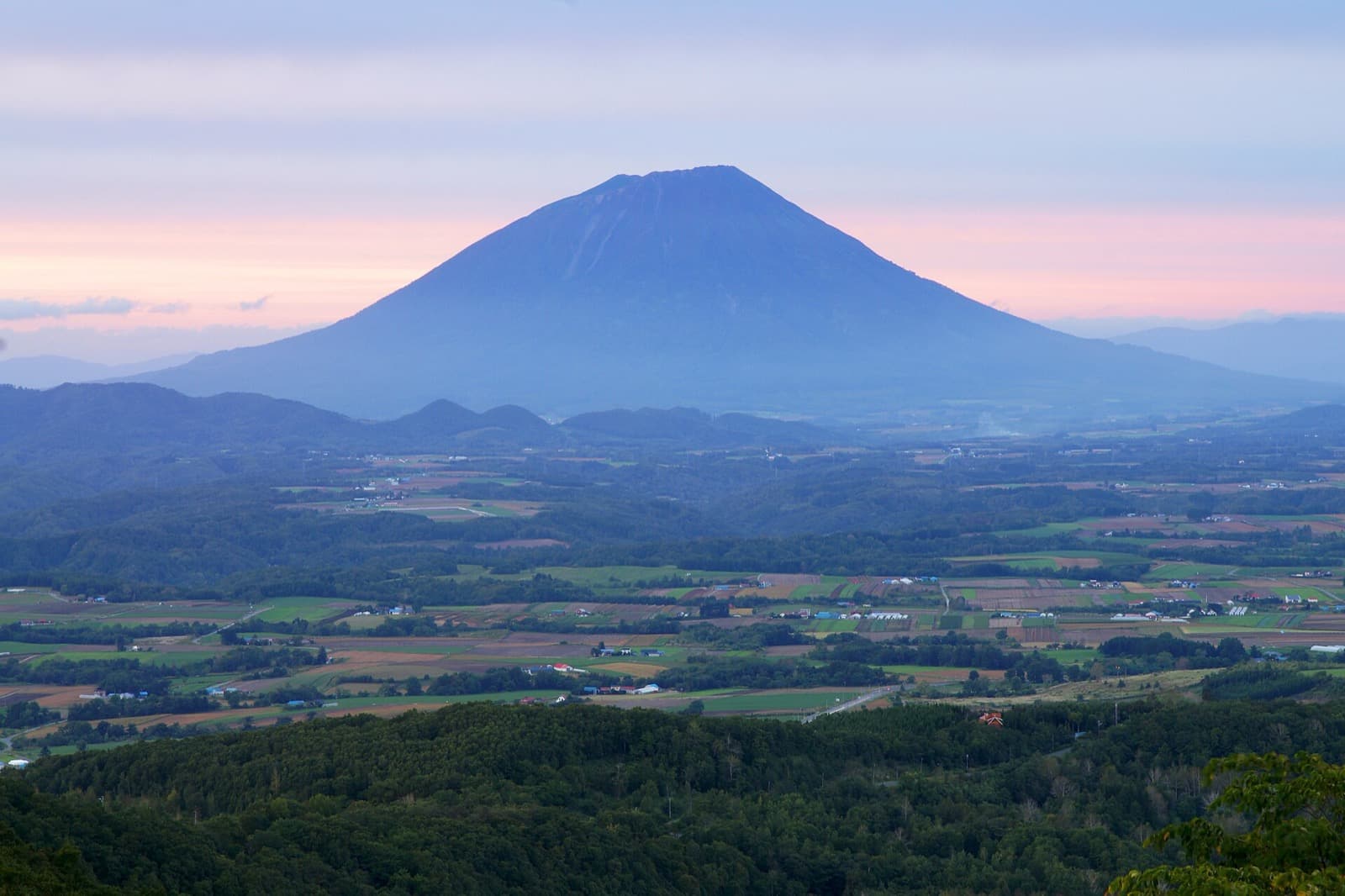
For a first trip to Hokkaido, Sapporo and Otaru are our starting recommendation if you want food, city walks and travel without a car. Choose Furano and Biei for countryside scenery, Hakodate for a port-city stay, Noboribetsu or Lake Toya for an onsen night, and Niseko for a ski-focused holiday. If wildlife and national parks are your main reason to travel, build the trip around eastern Hokkaido rather than squeezing it into a Sapporo day trip.
The right shortlist depends on what you want to do and how you will reach it. A city served by trains can be an easy base, while a lake, farm or mountain attraction may still need a bus, tour or car after you reach the nearest station. The comparisons below are NLH's planning recommendations, not a visitor survey or a ranked list.
Best places in Hokkaido: choose your base first
| Place | Choose it for | Possible base | Transport to plan |
|---|---|---|---|
| Sapporo & Otaru | Food, shopping, city walks and the canal | Sapporo; Otaru as a day trip or a separate overnight | Trains between the cities; walking and city transport |
| Furano & Biei | Flower fields, hills and the Blue Pond | Furano or Biei; choose around your priority sights | A rural station does not cover every sight; compare a car, tour and local buses |
| Noboribetsu or Lake Toya | A hot-spring stay and volcanic or lakeside scenery | A hotel in your chosen onsen area | The station and the onsen town are separate; check the final bus or transfer |
| Hakodate | Port streets, the morning market and the night view | Hakodate city | Walk, tram and bus; treat the journey from Sapporo as a transfer |
| Asahikawa & Daisetsuzan | City food, the zoo and a separate mountain outing | Asahikawa or accommodation near your mountain access point | Asahidake and Sounkyo are different approaches; plan the one you will use |
| Niseko | Skiing in winter; outdoor activities in the green season | Near the resort or activity you have booked | Check airport access and the distance from your hotel to the lift or meeting point |
| Eastern Hokkaido | Kushiro Marsh, Akan–Mashu or Shiretoko | A base close to your main sight, rather than one hotel for the whole east | Choose the airports and connections before accommodation |
The easiest car-free shortlist is Sapporo and Otaru. Other areas are possible without driving, but you need to check the last connection to each attraction. Start with our Sapporo day-trip comparison or the car-free winter itinerary rather than treating every destination below as a day trip.
Sapporo and Otaru: food and city walks
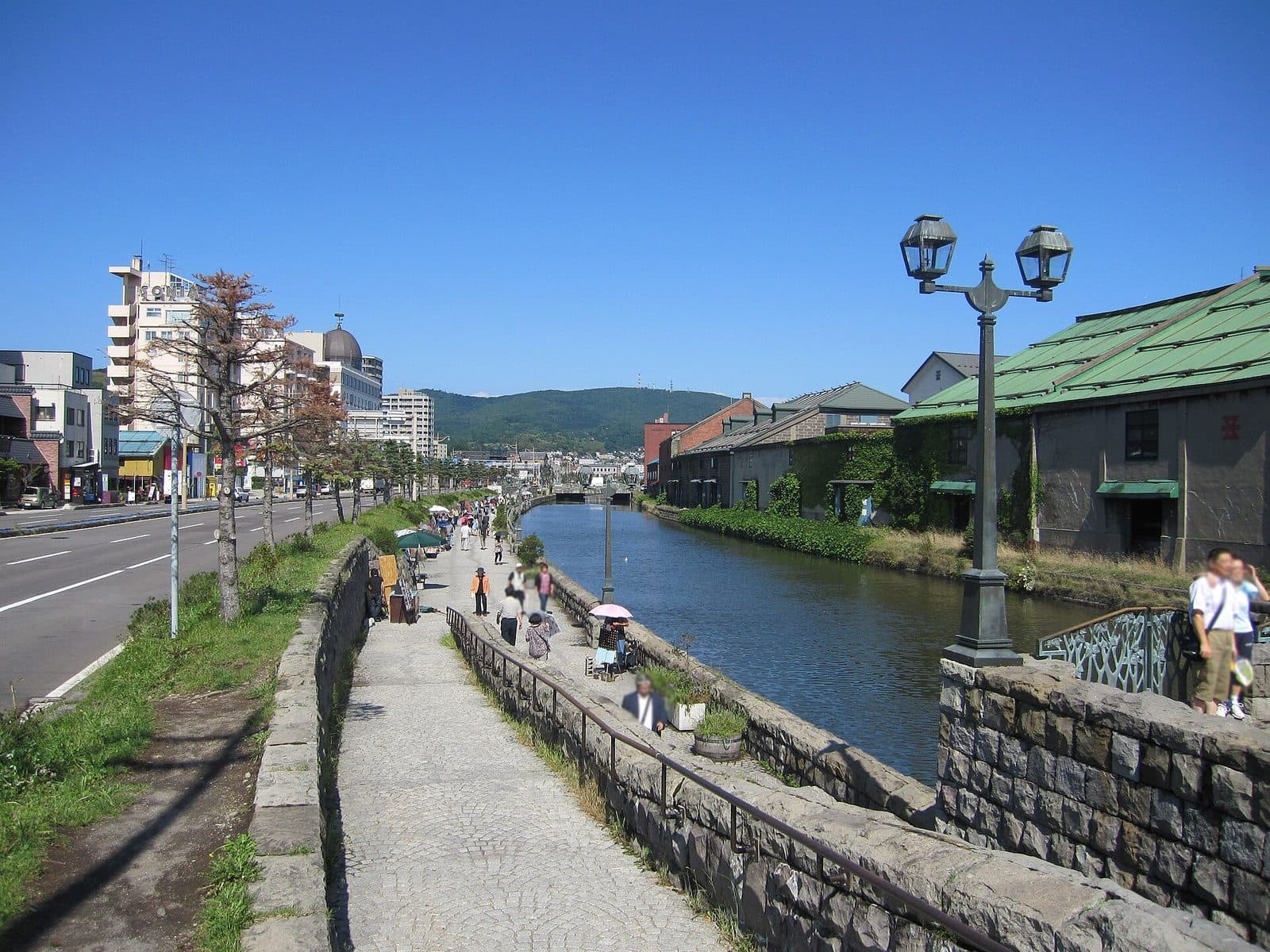
Sapporo suits travellers who want to keep one hotel while combining meals, shopping and city sights. Miso ramen, soup curry and jingisukan are good reasons to leave time for meals. Our Sapporo food guide helps you choose what to eat, and the Sapporo accommodation-area guide compares bases.
Otaru adds the canal, Sakaimachi streets and historic buildings to a Sapporo trip. A day trip avoids changing hotels; an overnight makes room for an evening walk. Choose which matters more to you. For sightseeing and meal planning, use the Otaru day-trip guide and Otaru food guide.
Furano and Biei: fields and hills
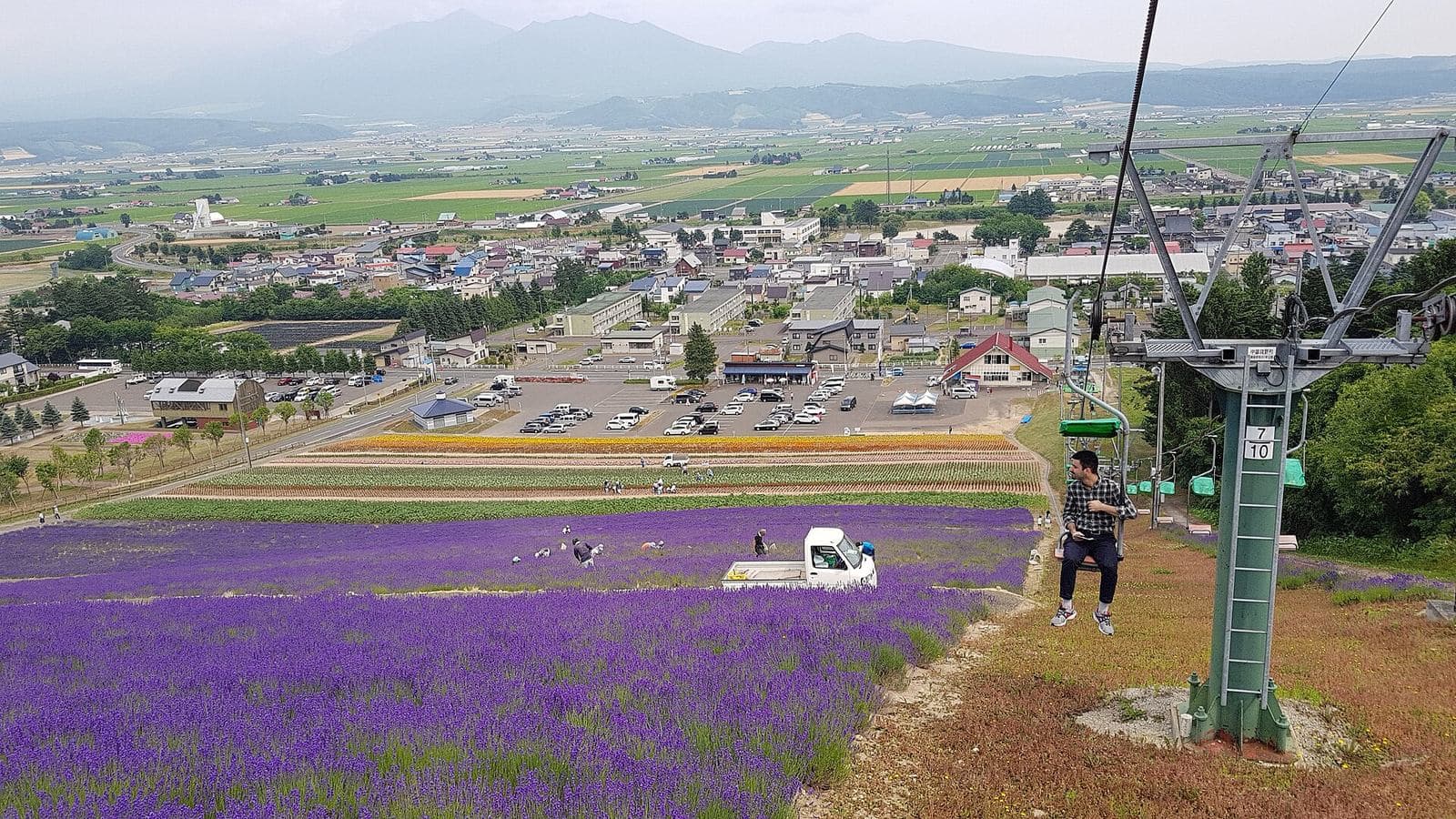
These places work well in one regional trip, but their attractions are spread out. Farm Tomita is in Nakafurano, while Biei's hills and Blue Pond require separate route planning. Pick your priority sights before choosing a hotel, and check each farm's opening period and current flowers rather than assuming every visit is lavender season.
Choose an overnight if you want countryside mornings and fewer journeys back to Sapporo. Our Furano and Biei guide compares a two-day plan, driving and options without a car.
Noboribetsu and Lake Toya: an onsen overnight
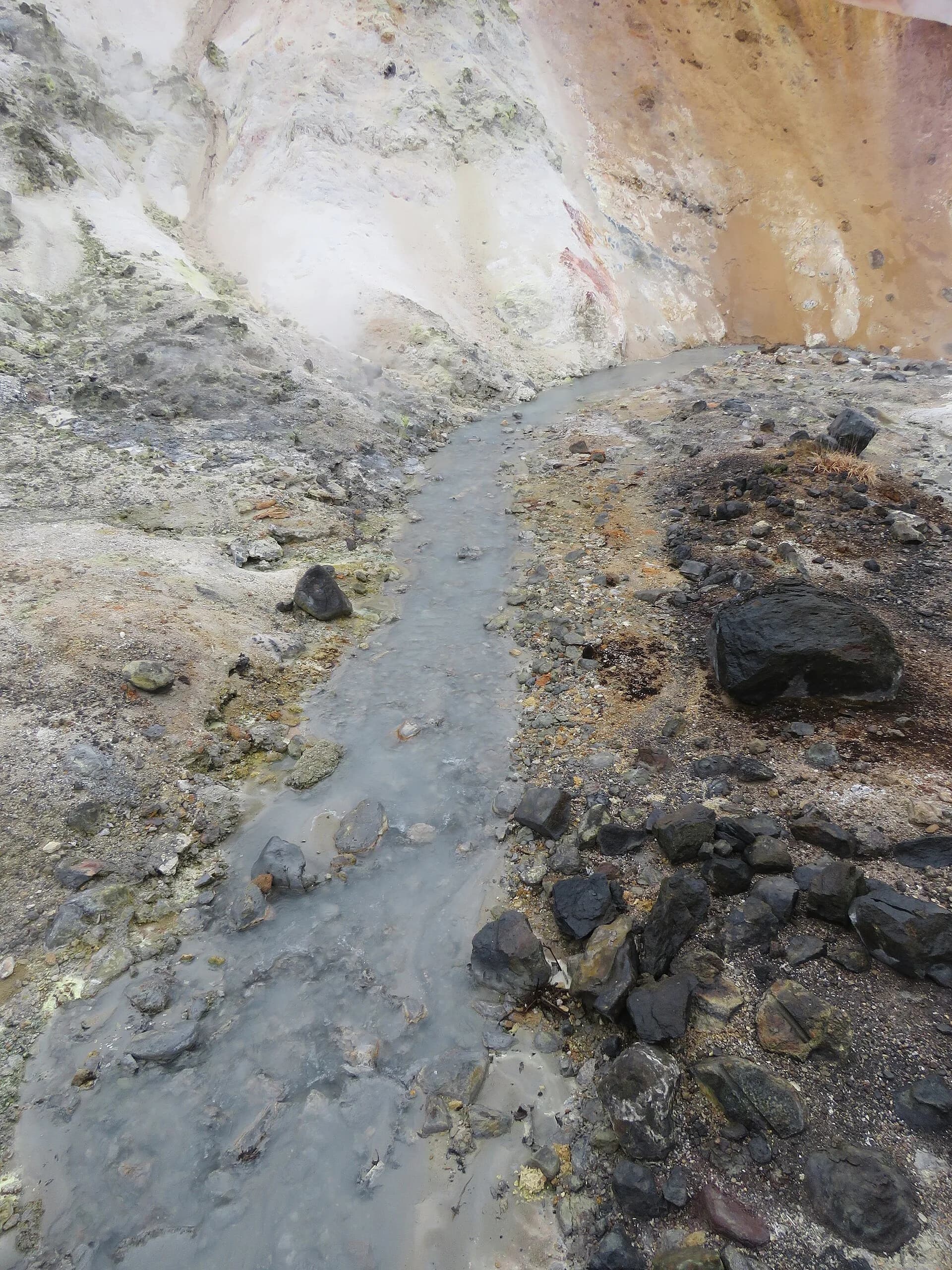
Choose Noboribetsu for Jigokudani and an onsen-town stay, or Lake Toya for lakeside scenery and accommodation. You do not have to visit both. If soaking and a relaxed dinner are the point, one overnight at your preferred property can be more useful than brief stops at two resorts.
A train journey to Noboribetsu Station or Toya Station does not finish at the onsen hotel. Check the onward bus, taxi or hotel pickup, plus dinner and check-in times. The Otaru-to-Noboribetsu transport guide explains the distinction between arriving at the station and reaching the onsen town.
Hakodate: a port-city stay
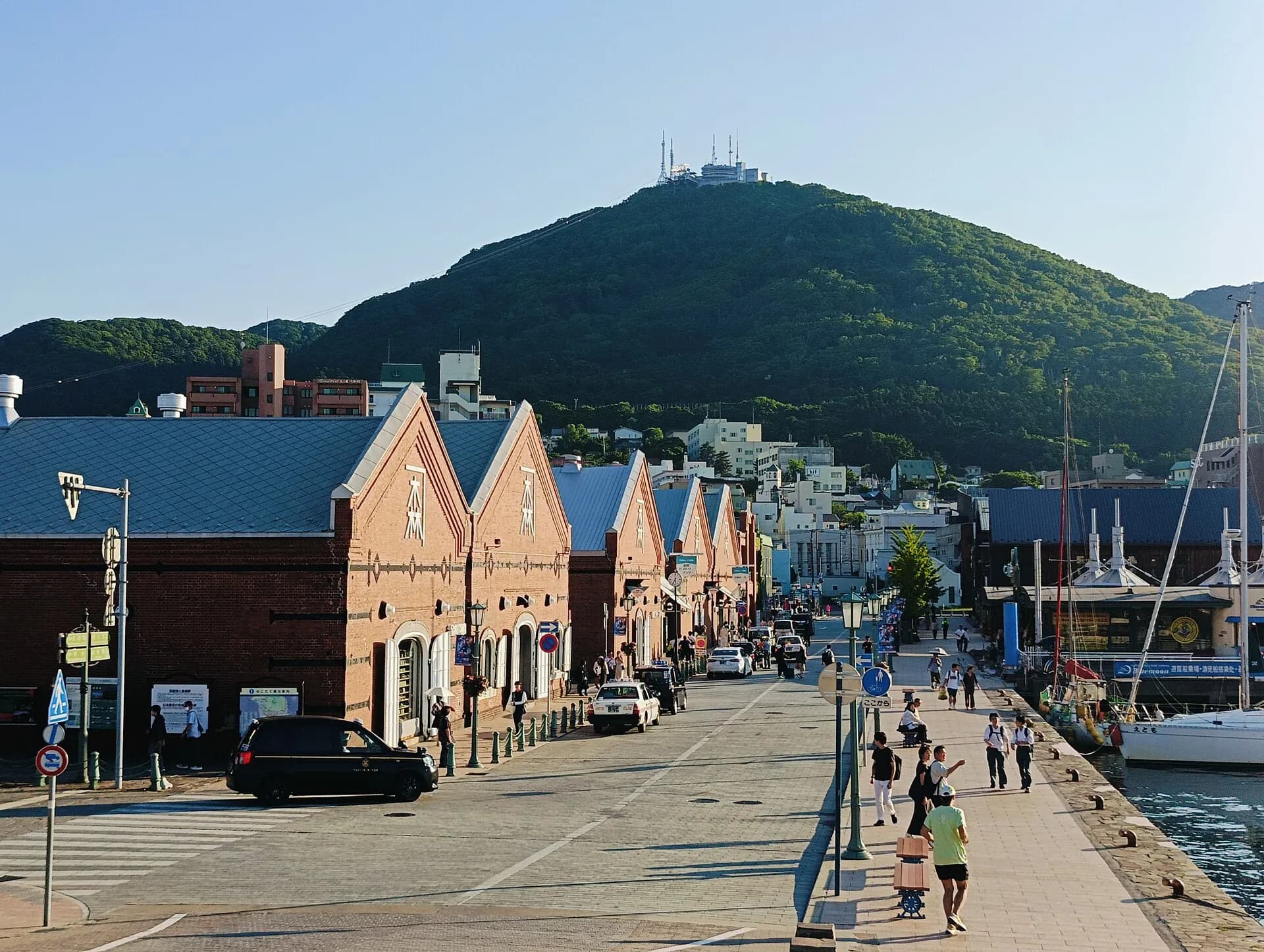
Plan Hakodate around the bay and Motomachi area, Goryokaku and the Mount Hakodate view. Divide the sights by area so you do not spend the day crossing the city. An overnight also gives you time for the morning market; the Hakodate food guide compares breakfast and other meals.
Hakodate Airport is an alternative entry point if southern Hokkaido is your main destination. If arriving from Sapporo, make room for the transfer rather than treating Hakodate as another nearby stop. Leave some flexibility for the night view, which depends on the weather.
Asahikawa and Daisetsuzan: city base or mountain stay?
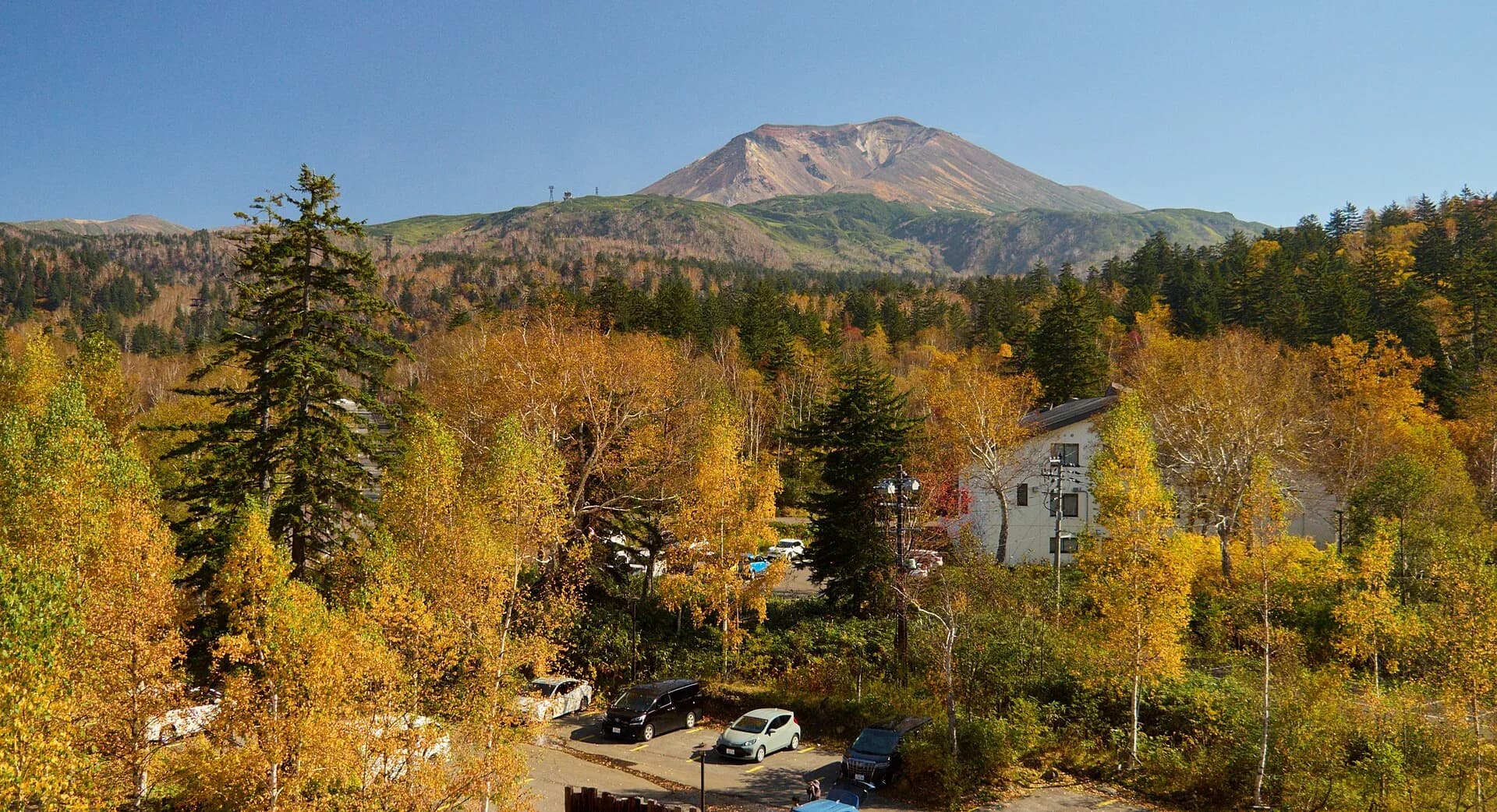
Asahikawa offers city meals and Asahiyama Zoo, and can serve as a base for part of a northern Hokkaido itinerary. For Daisetsuzan, choose a mountain approach before making transport plans: Asahidake and Sounkyo and Kurodake are different journeys.
A ropeway sightseeing visit and a mountain hike need different clothing, time and preparation. Our Daisetsuzan autumn guide compares the access points. Keep a weather alternative instead of making one clear mountain day essential to the trip.
Niseko: book around the activity
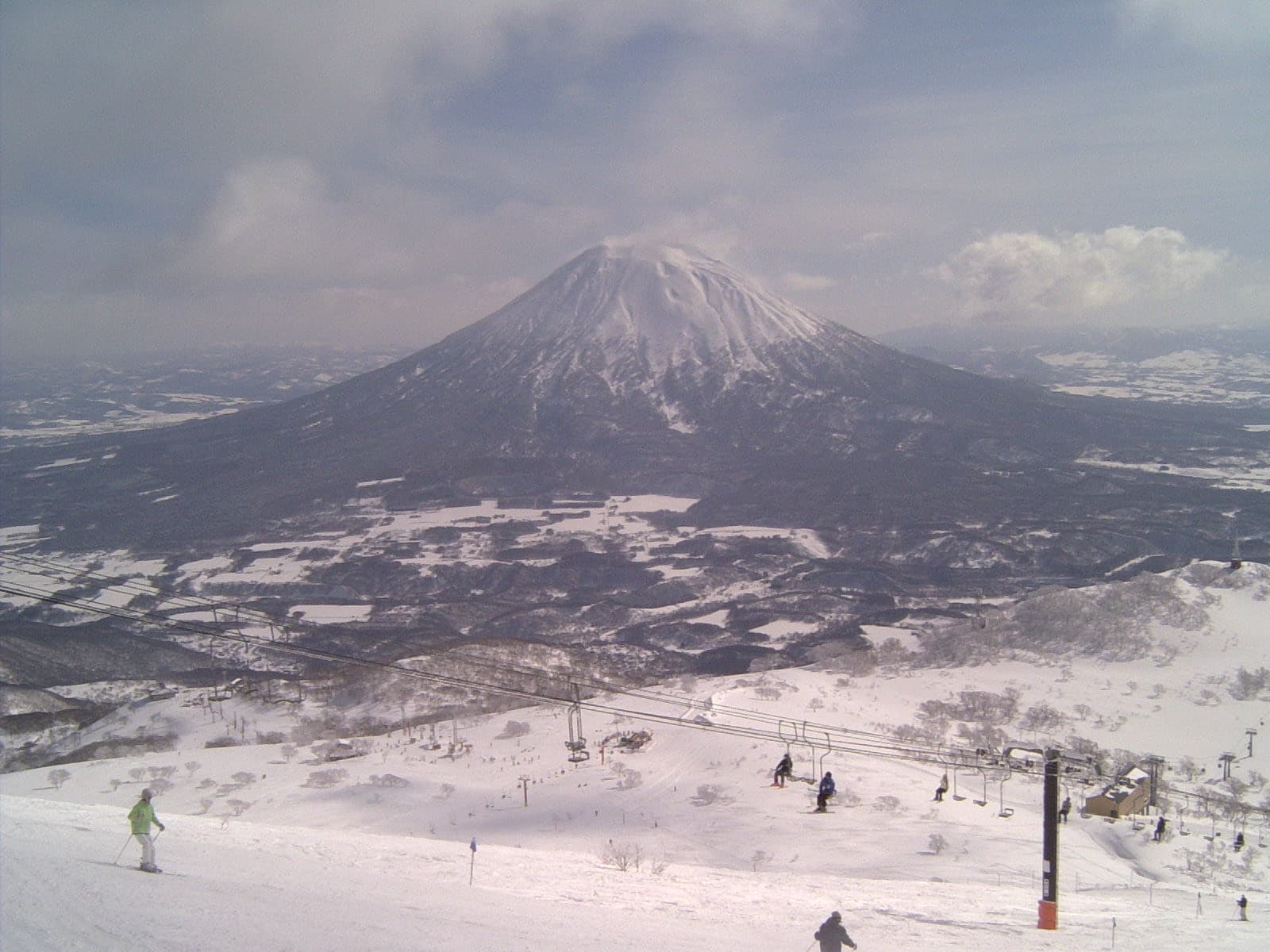
The ski area called Niseko spans more than one town. Grand Hirafu is in Kutchan, while other accommodation and activities are in Niseko Town and the surrounding area. A booking labelled “Niseko” does not tell you how far you are from your lift, lesson or restaurant.
For winter, choose the resort, then your hotel and transfers. In the green season, choose the activity and meeting point first. Our Niseko travel guide explains the area, and where to stay in Niseko helps narrow the accommodation search.
Eastern Hokkaido: choose the nature you want to see
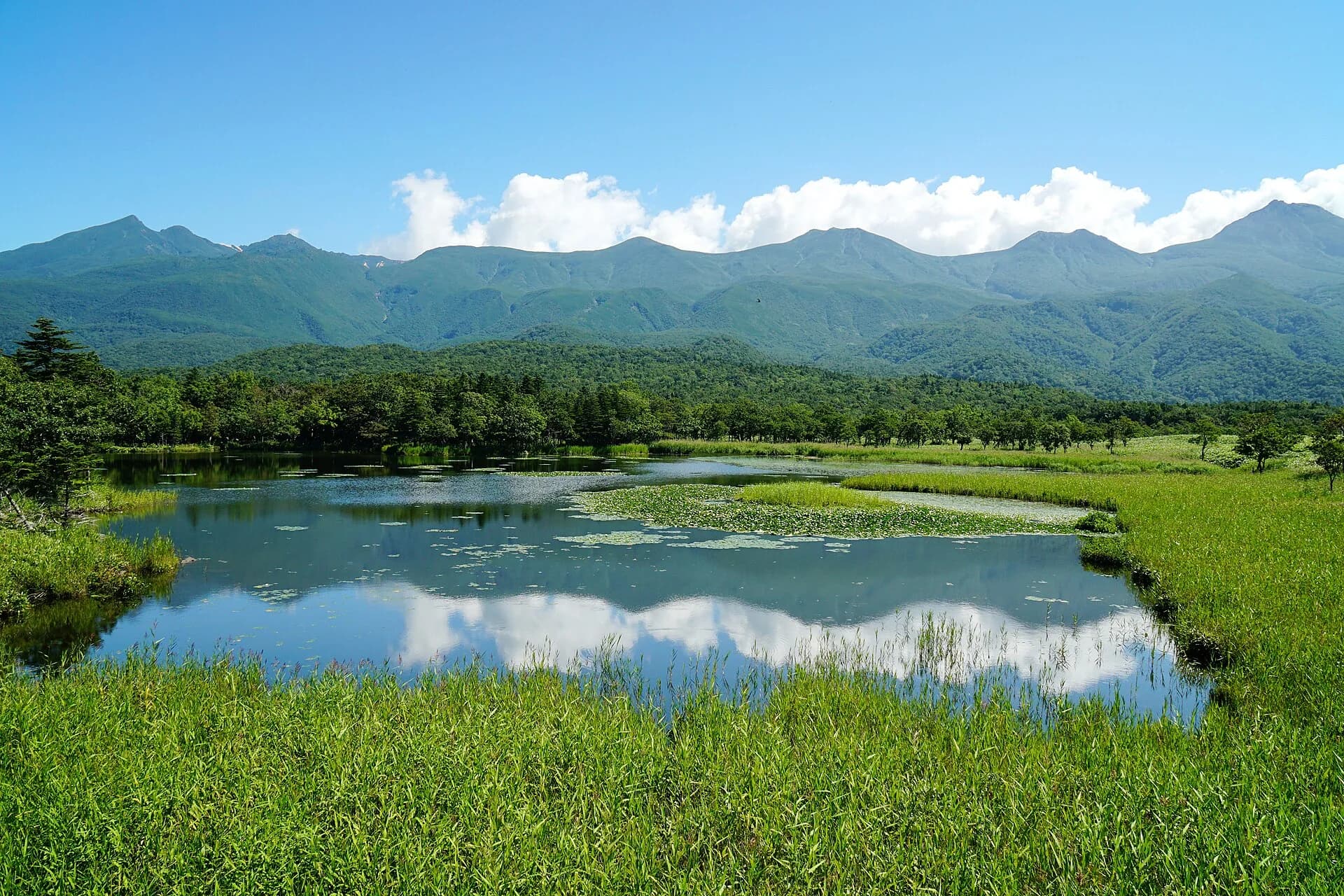
Kushiro Marsh, Akan–Mashu's lakes and Shiretoko offer different experiences. Do not assume one hotel gives easy access to all three. Decide which landscape or activity matters most, then choose your base and arrival airport. Kushiro and Memambetsu are options to compare if you want to avoid crossing from Sapporo and back.
For Shiretoko, allow a day for the activities you have chosen and an alternative if weather affects a cruise or guided visit. For Akan–Mashu, check the separate routes to the lakes instead of putting the entire national park into one map pin. Start with the eastern Hokkaido guide, then the Shiretoko guide or Akan–Mashu guide.
Tokachi: food and countryside
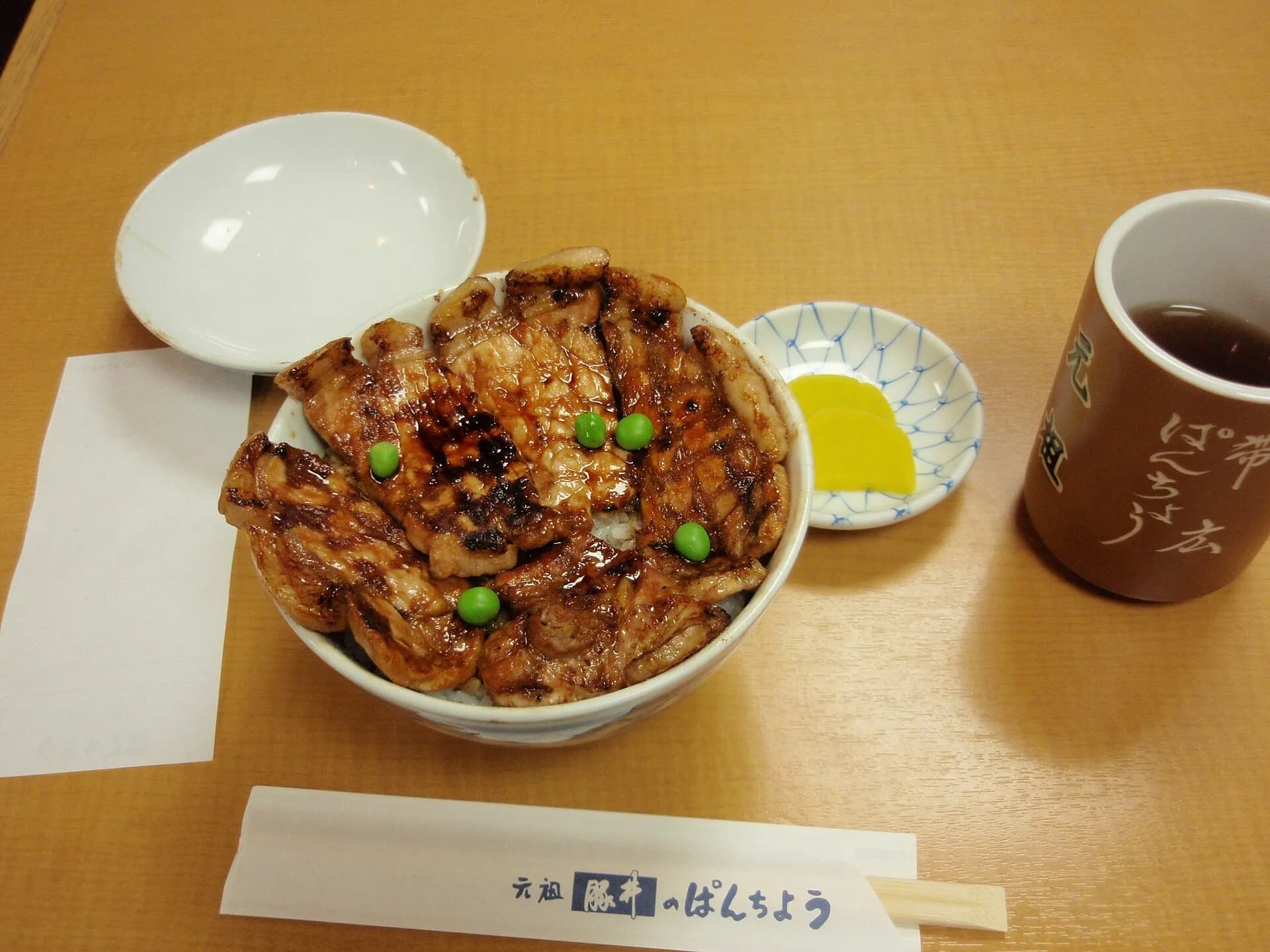
Obihiro is a useful city base for butadon and confectionery. Gardens, hot springs and farm scenery elsewhere in Tokachi need their own transport plan: a central Obihiro hotel is not next to every countryside attraction. The Obihiro food guide separates city meals from outings beyond the centre.
Tokachi-Obihiro Airport is another entry point to consider. If combining the area with Furano and Biei, set aside a transfer rather than adding it as a quick countryside detour.
Rishiri, Rebun and Tomamu: build around a specific stay
Rishiri and Rebun suit a trip centred on the far north. Check the journey to Wakkanai and the island ferries before booking island accommodation. Keep time for your chosen walks and activities rather than adding both islands to an already full Sapporo itinerary.
Tomamu is in Shimukappu and works as a separate resort stay. The cloud-sea terrace is a seasonal early-morning activity, and a cloud-sea view is not guaranteed. Check resort opening dates and activity conditions. For winter, it is an alternative stay to plan deliberately, not an extra stop in our Sapporo–Otaru–Niseko itinerary.
Which places fit your available days?
These are editorial suggestions, including arrival and departure days; flight times and your pace may change them.
- 3–5 days: keep a Sapporo base with Otaru, or focus on Hakodate if that is your priority. An onsen overnight replaces some city time rather than creating an extra day.
- 7 days: choose a Sapporo–Furano/Biei–Noboribetsu route, a car-free Sapporo stay, or a holiday centred on one other region. Our 7-day itinerary compares the touring week and Sapporo-based alternative.
- 10 days: a longer trip can combine central and eastern Hokkaido, provided the airports and transport fit. Our 10-day itinerary travels from New Chitose to Memambetsu; it does not include Hakodate or return across the island to Sapporo.
The 5-day southwest driving loop is a different option for travellers comfortable with frequent hotel changes. It is not the same as the relaxed Sapporo-based shortlist above. For a snowy-season holiday, use the winter itinerary and check current conditions.
For destination information and current opening conditions, consult Hokkaido's official tourism site and each operator. Check the actual route between your accommodation and sights before booking; our Hokkaido itinerary planning guide helps with that next step.
Book what's in this guide
These are affiliate links. We may earn a commission if you book — the price you pay is the same. Learn more
Viator links open a regional or category list, not a single tour. Check each activity's location and dates before booking.
Northern Land Hokkaido Team — Sapporo, Japan