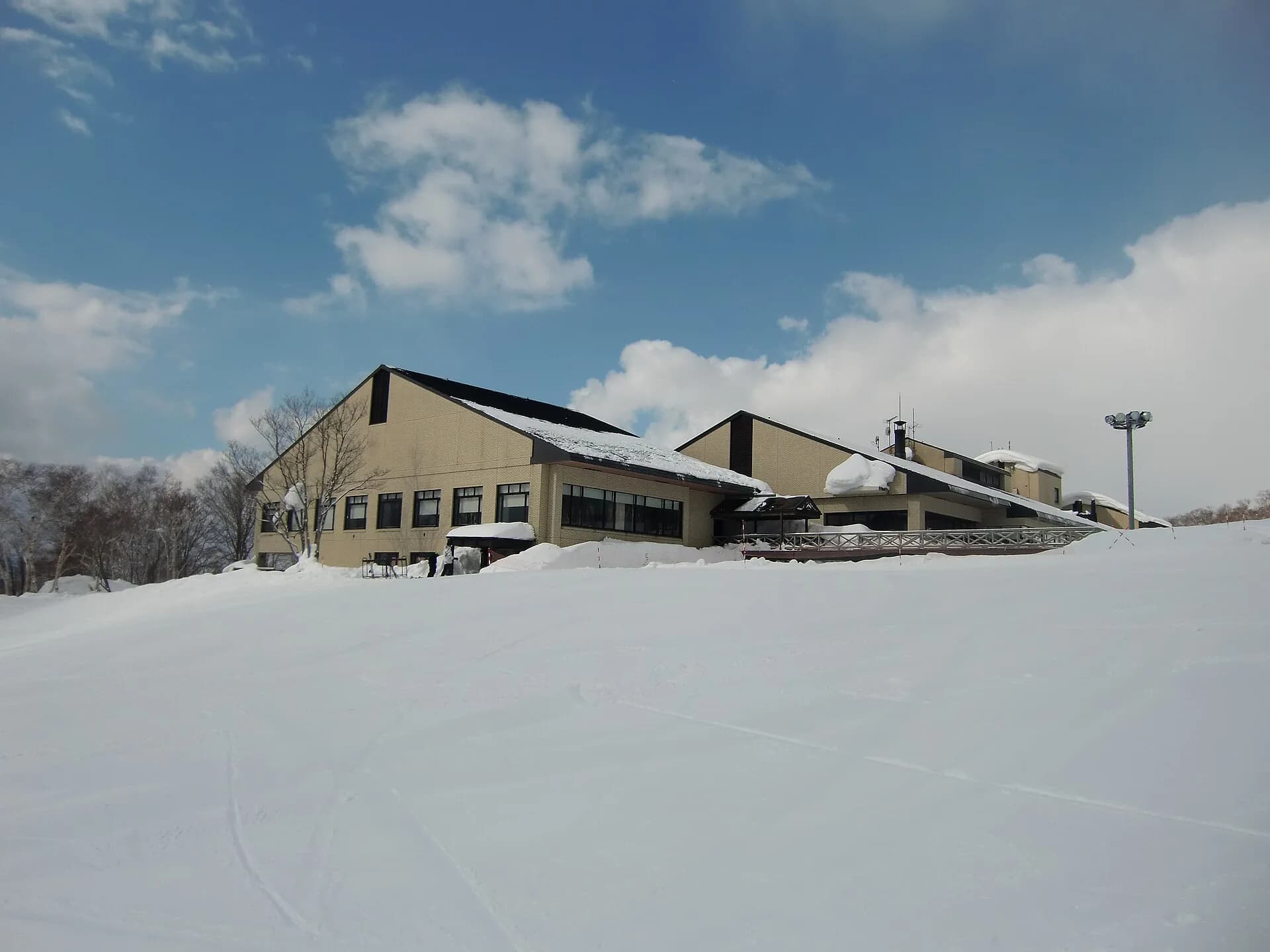
Choose your Niseko base around three journeys: the morning trip to the lift or lesson, dinner, and the return to your accommodation. Hirafu, HANAZONO, Niseko Village, Annupuri and central Kutchan offer different starting points. A village name does not establish walking distance, a mountain view or the cost of your stay.
This guide compares areas first, then gives four named accommodation examples to investigate. Check your actual dates, room type, transport and meal arrangements before booking.
Hirafu: for Grand Hirafu and village dining
Hirafu is an option if you want to ski Grand Hirafu and choose restaurants in the village. It is part of Kutchan municipality, but it is not the same place as the town centre around Kutchan Station.
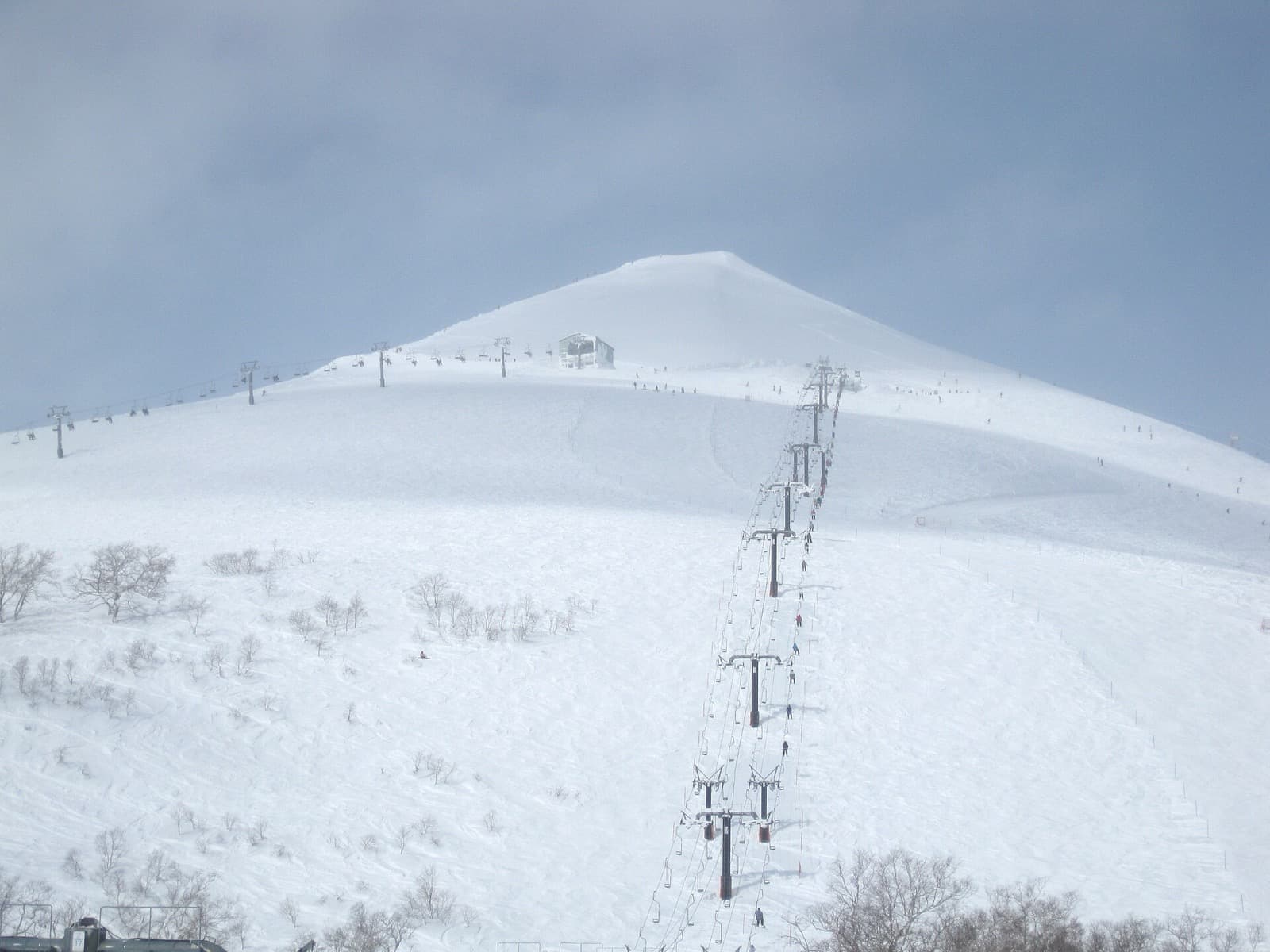
Check the route from the property's entrance to the lift, not just its map pin. Lower-village accommodation can involve slopes and a shuttle; a child carrying ski gear may need a different plan from an adult walking without equipment. Ask about the lesson meeting point and the return from dinner as well.
HANAZONO: start with the lesson or activity location
If you book lessons or activities at HANAZONO, compare accommodation nearby with properties that offer suitable transport. Check which building you need to reach, when to collect rental equipment and how to get back after the activity.
An evening meal in Hirafu is a separate transport decision. Do not assume that a daytime resort shuttle also covers a late dinner or operates on your travel dates. See the official HANAZONO winter access page for the services relevant to your visit.
Niseko Village: match the hotel to your ski day
Consider this side if your plans centre on Niseko Village and time at the hotel. Check the walk or shuttle to your chosen lesson and rental provider, especially when travelling with children or someone who does not ski.
A hotel dining plan can make evenings simpler, but compare what is actually included: breakfast, dinner, restaurant reservations and children's meals may have different conditions. A room reservation is not automatically a restaurant reservation.
Annupuri: combine skiing with an onsen stay
Annupuri is a candidate if you want to ski that side and spend more of the evening at your accommodation or in an onsen. Check meal provision and transport to any restaurant outside the property.
If you want to visit Hirafu or Kutchan, check both outward and return travel before booking. Compare actual connections rather than assuming that lifts, buses or taxis will always connect every part of your evening.
Central Kutchan: include the daily commute in the price
Kutchan Station and the surrounding town are separate from the ski-area bases. A town stay may suit your shopping and meal plans, but compare the complete cost of the room and daily transport on your dates.
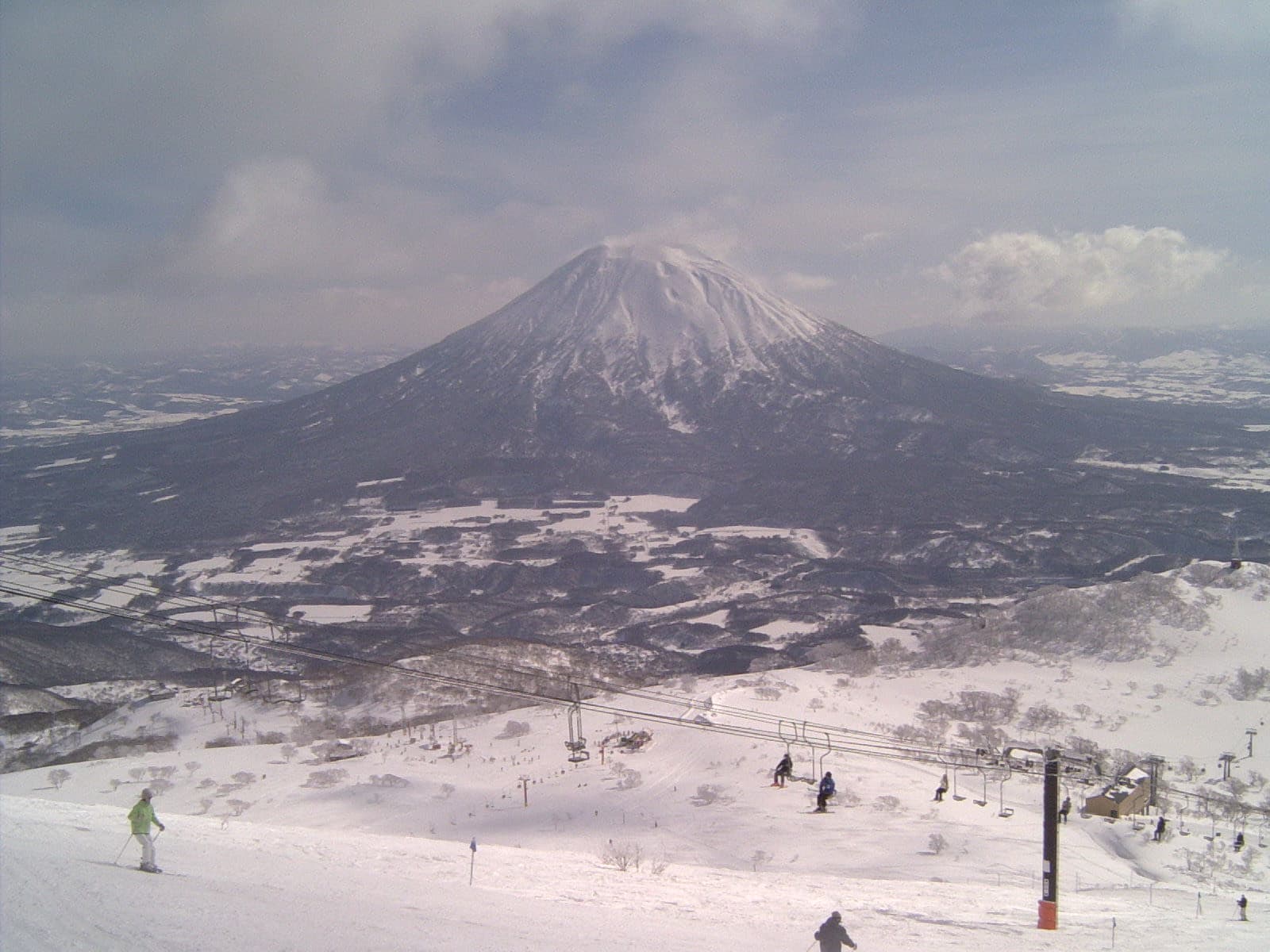
Check whether the first useful bus or hotel shuttle reaches your lesson in time and when the last return leaves. Central Kutchan is not automatically cheaper once transfers, travel time and any taxi journeys are included. Self-catering also depends on your room's actual cooking facilities, not its address.
Four accommodation examples to compare by area
Use these properties as starting points for comparing location and facilities. Check the room for your group, your dates, meals and transport together.
On a small screen, scroll the table horizontally.
| Property and area | A reason to consider it | Check before booking |
|---|---|---|
| AYA Niseko — Hirafu | A Hirafu base with room-type choices and an onsen | Its official site lists several accommodation types. Check beds, cooking facilities and occupancy for the specific room |
| Park Hyatt Niseko Hanazono — HANAZONO | A stay centred on HANAZONO skiing or lessons | Airport transport for your date, the journey to the meeting point and dinner reservations. A summer shuttle notice is not a winter timetable |
| Hilton Niseko Village — Niseko Village | Village-side skiing with an onsen at the hotel | Which baths are operating, the shuttle stop and timetable, and the meals included in your plan |
| Niseko Northern Resort An'nupuri — Annupuri | An Annupuri base combining skiing, a natural onsen and meals at the property | The official site lists its natural hot spring. Check meal-plan contents, bathing conditions for your dates and the airport journey |
Check the particular bath you want to use. On 15 October 2026, Hilton's official notice listed the outdoor bath as temporarily closed for repairs, with the indoor onsen operating normally. Ask about reopening for your dates if the outdoor bath is a reason for booking.
Property information and the notice above checked against the linked official pages on 15 October 2026. These are purpose-based examples, not a price or availability ranking. When comparing a booking site with a direct offer, use the same room, guests, meals and cancellation terms.
What does ski-in, ski-out mean for your group?
Check the actual entrance and ski route, and whether your group can use it safely at its ability level. Beginners or children may still need transport to a lesson meeting point. Ask about access during periods of limited snow and about equipment storage and drying facilities.
Staying with someone who does not ski
Choose a base for two separate daytime plans, not just the skier's route to the lift. A hotel near the slopes can still be inconvenient for a companion who wants lunch, a warm place to sit or a short outing without a car. These are planning checks, not promises that any of the properties above offers the services.
- Before the room is available: ask whether arriving guests can leave bags and use a lounge, toilets or other indoor space. Luggage storage does not mean early room access. Repeat the check for the hours after checkout.
- While the skier is out: identify a lunch option and an indoor activity or resting place that the non-skier can reach independently. Check opening hours, admission or reservation requirements and whether a hotel facility is available to staying guests during the day.
- When the group meets again: agree on a specific indoor meeting point and a return time. Check the non-skier's route there separately; do not assume they can use a ski lift as a pedestrian or cross the mountain to another resort.
- If a child stops early: decide which adult can leave the slopes and how they will return to the accommodation. A lesson booking is not automatically childcare outside the lesson's stated hours.
Send the hotel one concrete question: “We are staying on [dates], with [number] skiers and [number] non-skiers, including children aged [ages]. Can the non-skiers reach lunch and an indoor resting place without a car? Which facilities can we use before check-in and after checkout, and what needs payment or booking?”
Compare the whole group's day, including separate transfers, meals and paid activities, in the trip budget worksheet. For children, use the family travel checklist. If the non-skier would prefer city sightseeing, compare fewer Niseko nights with a Sapporo stay, replacing nights rather than paying for two rooms in different bases at once.
Before you reserve
- Locate the airport-bus stop and the last journey from the stop to your door.
- Check transport to the lift, lesson and rental collection, including the return.
- Choose dinner arrangements and the journey back to the hotel.
- Confirm children's beds and meals, deposits and cancellation conditions.
- Ask who to contact if a delayed flight disrupts your arrival.
Use Niseko United's official access information alongside the hotel's transport arrangements. For the trip from the airport, compare New Chitose to Niseko. For travel involving Sapporo or Otaru, see the winter transport guide.
Choose dates after checking the resort and the total stay
A month alone cannot guarantee snow, a cheaper room or a shorter queue. Match the dates to your chosen resort's operating period, lessons and transport. Our Niseko season guide compares the months and current resort dates.
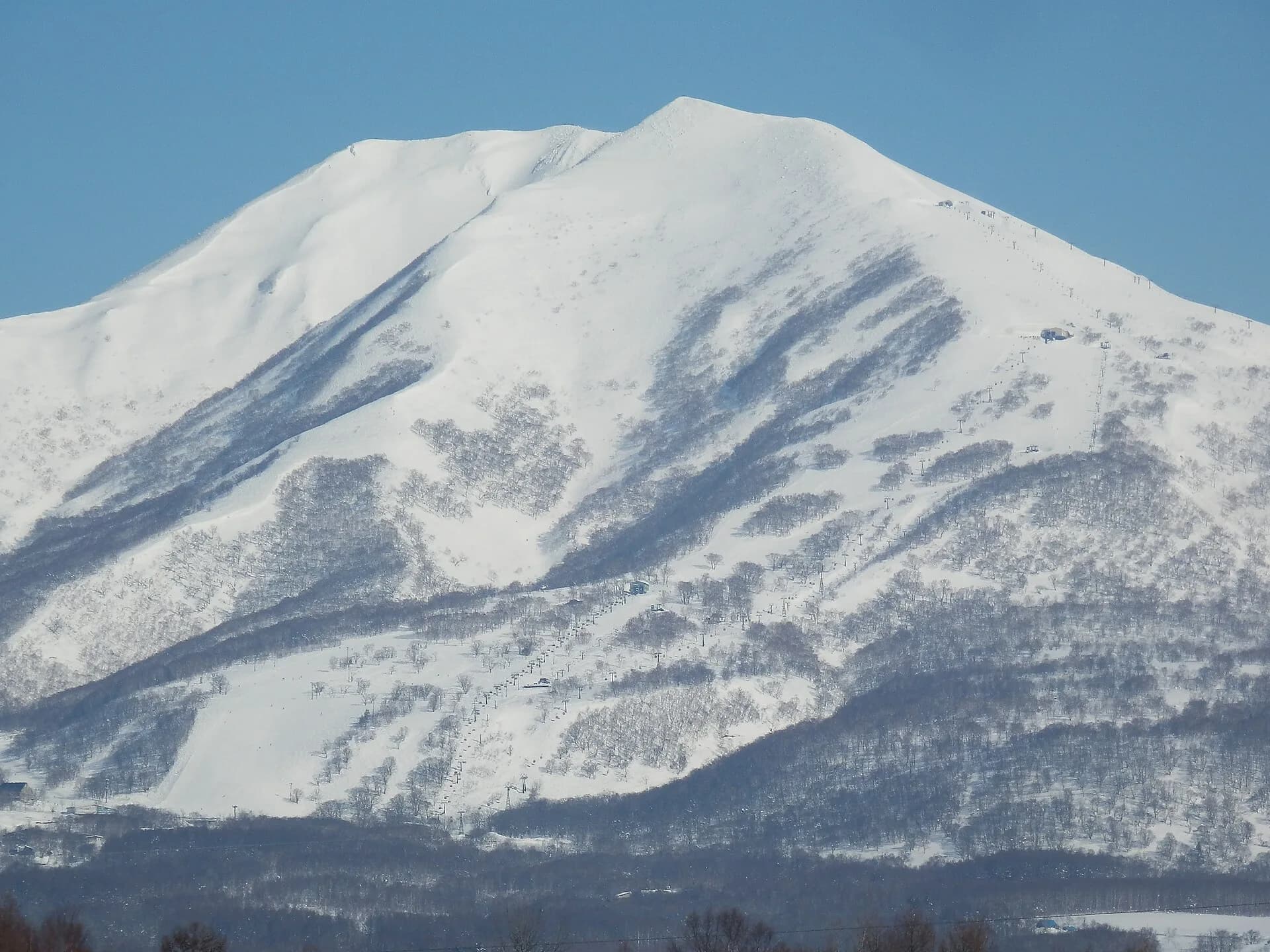
For a trip with more than one base, compare the winter itinerary. The main summer seven-day itinerary uses Furano and Biei rather than Niseko, so replace a stay instead of adding Niseko to an already full week.
Book what's in this guide
These are affiliate links. We may earn a commission if you book — the price you pay is the same. Learn more

Viator links open a regional or category list, not a single tour. Check each activity's location and dates before booking.
POWDER RUN
Take a break. Race the mountain.
Three fictional courses inspired by Niseko, Furano and Tomamu. Collect rings, land tricks and race your rivals to unlock the next mountain.
Free to play. No sign-up. Play in your phone or desktop browser.
Play the ski game →After your run, explore travel guides for stays, transport and things to do.
Northern Land Hokkaido Team — Sapporo, Japan