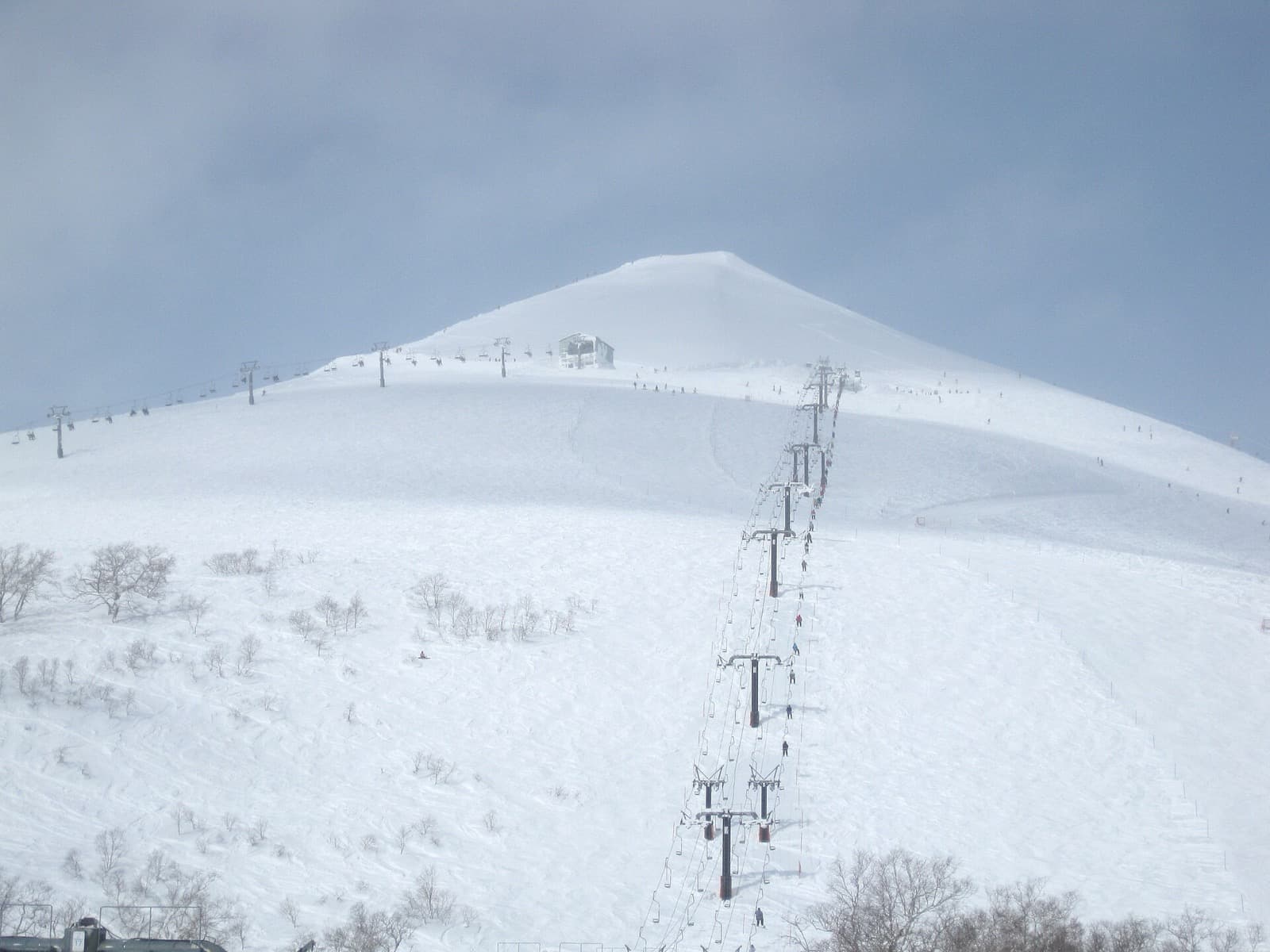
For a powder-focused Niseko holiday, January and February are our starting recommendation. Choose March if spring skiing and longer days suit you better. Early December and late spring need more flexibility because the open terrain and services depend on the season's progress. No month guarantees fresh snow, full lift operation or short queues.
This guide separates two decisions: which month fits your trip, and whether your chosen resort is scheduled to operate on your dates. The month comparisons are NLH's planning advice; the 2026–27 operating dates below come from Niseko United.
Which month is best for your Niseko trip?
| Period | Consider it for | Check before booking |
|---|---|---|
| Early December | A flexible early-season trip | Which lifts and courses will open; a lower lift-pass price does not guarantee a lower total holiday cost |
| Late December | A holiday-period ski stay | Accommodation, lessons and airport transport for your exact dates |
| January–February | A trip centred on winter snow | Weather alternatives and actual room prices; February is not automatically quieter than January |
| March | Spring skiing and more daylight | Changing snow conditions, your resort's night-skiing schedule and seasonal transport |
| April–May | A flexible spring visit to a resort still operating | Different resort closing dates, open lifts, lessons and the final journey to your hotel |
A family's or beginner's best month also depends on lessons, equipment and the terrain available that day. Compare those arrangements for your actual dates rather than treating a calendar month as a difficulty rating.
Niseko 2026–27 season dates
Niseko United's official lift pass page lists these operating periods for the 2026–27 season. Opening days and hours can change, so check again close to your trip.
| Resort | Planned season |
|---|---|
| Niseko Tokyu Grand HIRAFU | November 28, 2026 – May 5, 2027 |
| Niseko Annupuri International Ski Area | November 28, 2026 – May 5, 2027 |
| Niseko HANAZONO Resort | November 28, 2026 – April 11, 2027 |
| Niseko Village Ski Resort | November 28, 2026 – April 4, 2027 |
| Night skiing | December 12, 2026 – March 22, 2027 |
The Niseko All Mountain Pass is priced by period. An adult 1-day pass is ¥13,500 in Peak Season (December 24 – February 28), ¥12,600 in Regular Season (December 12–23 and March 1–22), and ¥8,800 in Early Season (November 28 – December 11) and Spring Season (March 23 – April 4). Early Season passes are not sold online. These are the prices listed for 2026–27 on the official Niseko United lift pass page, rechecked on 16 October 2026.
From April 5: Final Season, not the spring rate
The official Final Season runs from April 5 to May 5, 2027, with an adult 1-day pass priced at ¥6,300. The ¥8,800 Spring Season rate above ends on April 4, so check which period your actual skiing dates fall into.
This does not mean all four resorts stay open throughout that period. Niseko Village is scheduled to finish on April 4 and HANAZONO on April 11; Grand HIRAFU and Annupuri are scheduled to continue until May 5. A pass-sale period does not guarantee full terrain or on-snow connections between resorts. Check the operating lifts and your route back to the hotel.
December: separate early season from the holidays
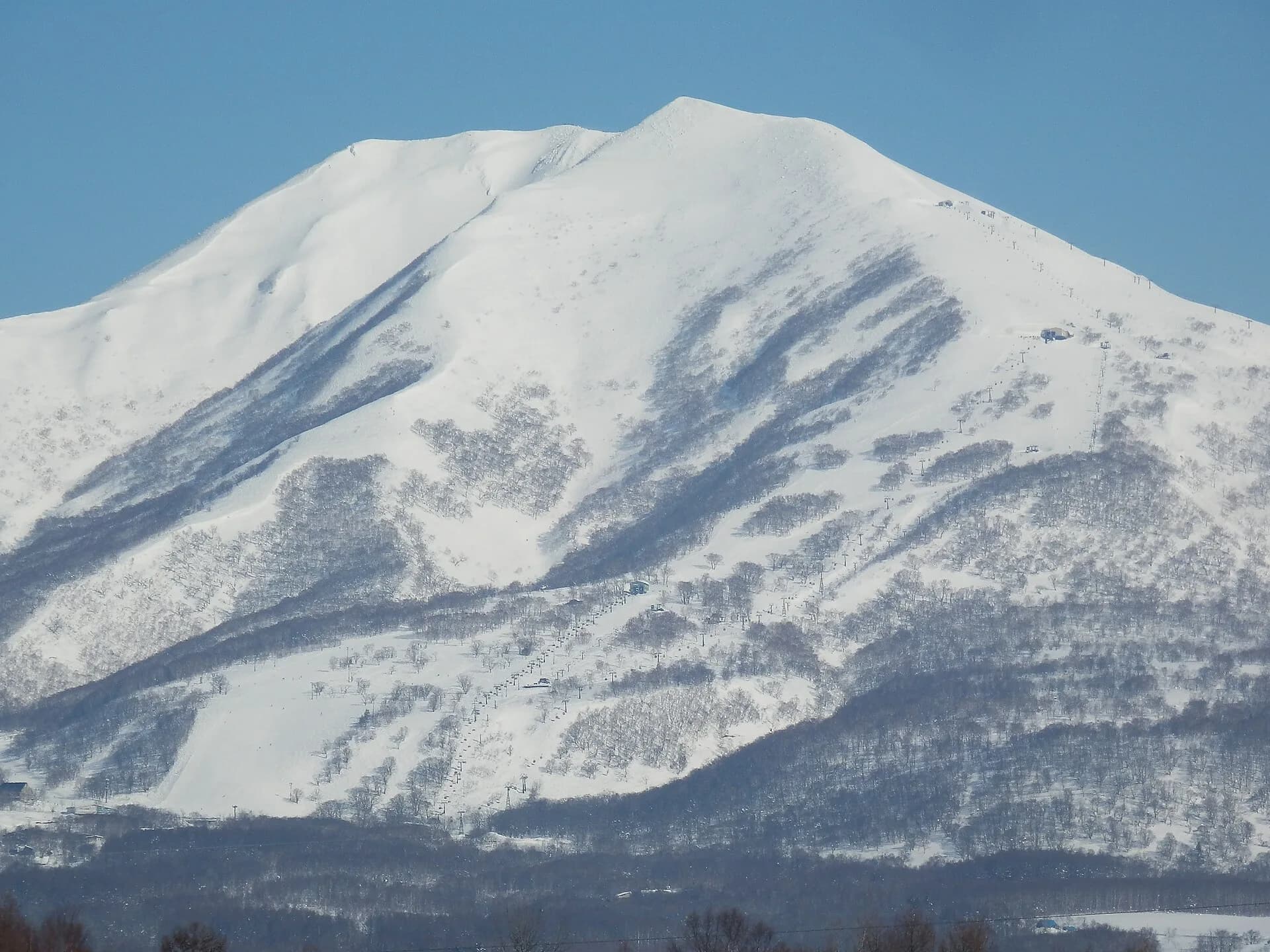
At the start of the season, scheduled opening dates and the terrain actually available can differ. Check the resort's current plans before committing to a ski-focused trip. A hotel accepting reservations does not establish that your preferred lift or lesson will be operating.
Later in December, book around the holiday dates you will travel. Compare the room, lesson and airport transfer together. Do not assume a stay is quiet or inexpensive simply because it falls in December.
January and February: keep weather flexibility
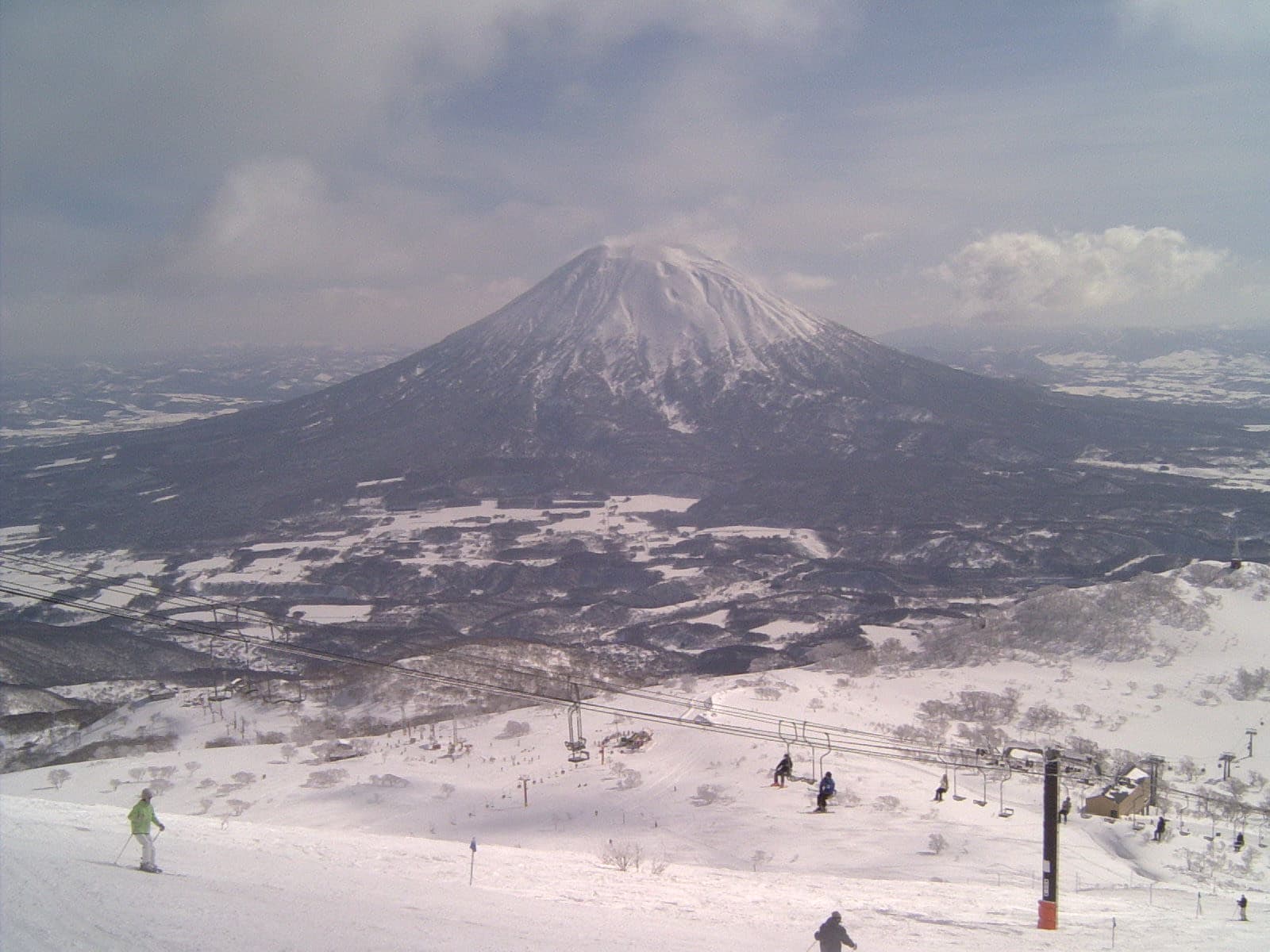
If winter snow is your priority, plan several skiing days at your chosen base rather than making one arrival-day session essential. Cold, poor visibility and wind can affect plans and lift operation. Follow the resort's operating information for the day.
February is not a guaranteed way to avoid January's demand. Overseas holidays can overlap with your dates, and room prices depend on the property and booking conditions. Compare specific stays and cancellation terms instead of assuming one month is always cheaper.
March: plan for changing snow
March offers a spring-style trip with more daylight than midwinter. Snow may soften during the day and become firmer again as temperatures fall. That is a different experience from a holiday built solely around fresh powder.
For beginners and families, check lesson availability and use terrain that suits the day's conditions. Night skiing has a published seasonal window, but the resort, lifts and hours you need must also be operating on your date.
April and May: check the resort, not just “Niseko”
The four resorts do not all finish on the same date. The planned 2026–27 schedule above shows that difference. Choose the resort you want to ski, then verify its open lifts and services as the trip approaches.
Seasonal buses, restaurants, rentals and lessons may have different operating periods. Check the airport journey and the last connection to your hotel as well as the accommodation itself.
Night skiing and moving between resorts
The published night-skiing window does not mean every lift operates every evening. Before planning a late arrival followed by skiing, check equipment collection and the lift closing time at your resort.
If you plan to move between resorts, check the return route when upper lifts are unavailable. Use Niseko United's current weather and lift-status page and each resort's notices for the day.
Visiting another resort: plan the road return before crossing
An all-mountain ticket and an open outward connection are not a promise that you can ski back later. Before leaving your home base, identify the destination base area you could descend to on an open, suitable marked course, then confirm a road journey from there to your hotel. Follow resort staff and current closures; do not use closed terrain or an off-piste shortcut to recover a missed connection.
- Check the journey in both directions. Record the actual stops, operating date, last usable departure and the walk to your hotel. Ask the operator about reservations, capacity, ski equipment and whether your exact ticket includes the ride. A bus mentioned in a resort guide is not proof of a seat or service on your travel date; do not assume a taxi will be immediately available either.
- Set a return decision time before the last lift. Work backwards from the earliest fixed obligation: child collection, rental return, dinner or a transfer. Include descent, the walk to the stop, waiting and the road journey. Ask resort staff which on-snow connections and closing times matter for your planned route. If the road alternative cannot meet the obligation, stay at your original base.
- Keep mixed-ability groups independent of the crossing. A beginner should not have to follow a harder connecting course to reunite with the group. Agree a named base-area meeting point, a contact method and who stays with children. For a family split between lessons and free skiing, the person responsible for collection should remain able to reach the lesson base without an upper-lift connection.
For example, if equipment must be returned at your starting base that afternoon, compare staying there all day with visiting another resort and returning by confirmed road transport. Include the transport for every person and any rental extension in the comparison. If the second plan leaves no workable margin, choose one resort today and visit the other on a separate day from its base. A wider pass does not oblige you to use every resort.
Ask: “On [date], we want to travel from [starting base] to [destination base] with [people and equipment]. If the upper connection closes, what road return can we actually use, with what ticket, booking requirement and final departure? We must be back at [place] by [time].” Recheck the day's operating information before setting off, and change the plan if that return is no longer workable.
Compare the Niseko bases and hotel access, and record the fallback transport separately in your trip budget.
First ski lesson: check the session before committing to a month
For a first-time skier, an available lesson that fits your party can matter more than a lower lift-pass rate. Shortlist dates using the month guide above, then check the school, rental shop and hotel together. The following is a planning checklist, not a claim that every school offers the same service.
- Match each learner, not just the party size. Give ages, skiing or snowboarding choice, experience and preferred teaching language. Ask whether adults and children, or different ability levels, can join the same session. If they need separate groups, compare the actual start and finish times.
- Get the exact meeting point and check-in deadline. Confirm the resort and base area, not simply “Niseko”. Work backwards through hotel transport, equipment fitting and walking in ski boots. Ask the rental shop how much fitting time to allow; do not schedule collection at the lesson start time.
- Confirm what the quoted price includes. Ask about skis or board, boots, helmet, outerwear, lift access and any supervised lunch. Check which lift ticket the instructor requires before buying a separate all-mountain pass. Do not assume a beginner lesson includes a ticket or that the widest-area ticket is necessary.
- Plan the handover and return. Check where a child must be collected and whether an adult needs to stay nearby. If other travellers are skiing elsewhere, designate someone who can reach that point without depending on upper-lift connections. Leave time to return equipment before the shop closes.
Arrival day or the first full day?
As an NLH planning choice, keep an essential first lesson off the flight-arrival day when possible. For a two-night stay, for example, use arrival day for reaching the base and, only if the shop confirms it is possible, equipment fitting; reserve the middle day for instruction. Check whether collecting the evening before adds a rental charge. A departure-day lesson works only if its finish, equipment return and onward transport all fit the confirmed schedule.
Before paying, distinguish the school cancelling, your transport arriving late, and your party deciding not to ski. Ask what happens to each separately booked item in each case: lesson, rental and lift ticket. A refund or reschedule for one item does not establish the terms for the others; a spare day also needs actual availability.
A useful enquiry is: “We have [ages and experience], want [ski/snowboard] instruction in [language] on [date], and are staying at [hotel]. Can you confirm the group arrangement, check-in location/time, equipment collection plan, required lift ticket, full price and cancellation/late-arrival terms?”
For the rest of the party, use the family travel checklist. Compare included and separately paid items with the trip budget guide, and check clothing against the winter packing list.
Booking order: dates, hotel and airport access
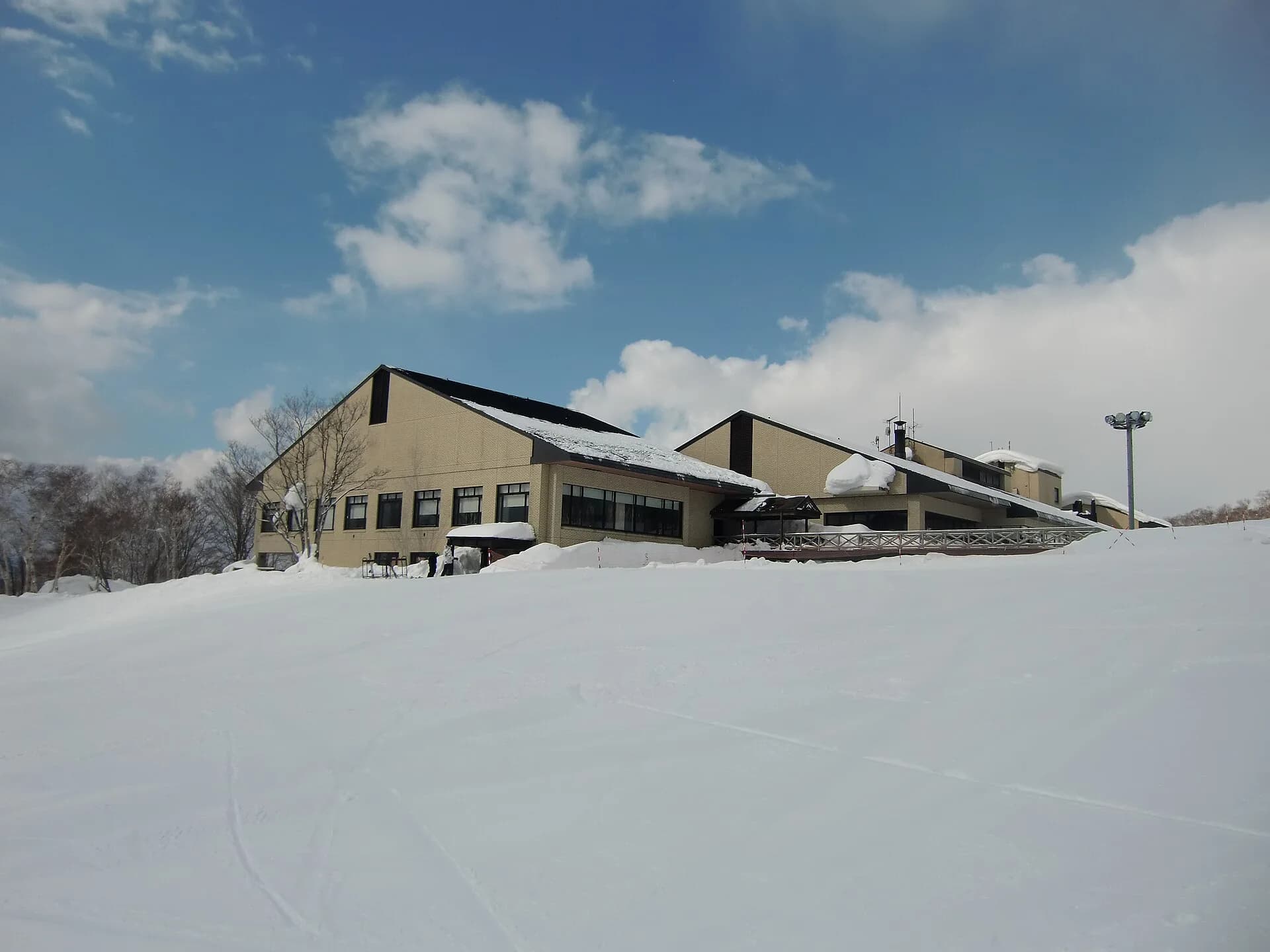
- Choose your resort and dates. Confirm the planned operating period, then whether lessons and equipment are available if you need them.
- Match the hotel to that resort. Check how you will reach the lift, lesson meeting point and evening meal. A listing labelled “Niseko” may be in a different base area.
- Check both airport journeys before confirming the stay. Include the final transfer from the bus stop or station to your hotel. A late flight may require a different arrival-night plan.
- Compare the full cost and booking conditions. Include accommodation, transport, lift passes, rentals and lessons. The official lift-pass price alone does not establish the cheapest month for your holiday.
Use where to stay in Niseko to compare the bases, then New Chitose Airport to Niseko for transport choices. For a trip that also includes Sapporo and Otaru, the car-free winter itinerary shows how to divide the stay.
Book what's in this guide
These are affiliate links. We may earn a commission if you book — the price you pay is the same. Learn more

Viator links open a regional or category list, not a single tour. Check each activity's location and dates before booking.
POWDER RUN
Take a break. Race the mountain.
Three fictional courses inspired by Niseko, Furano and Tomamu. Collect rings, land tricks and race your rivals to unlock the next mountain.
Free to play. No sign-up. Play in your phone or desktop browser.
Play the ski game →After your run, explore travel guides for stays, transport and things to do.
Northern Land Hokkaido Team — Sapporo, Japan