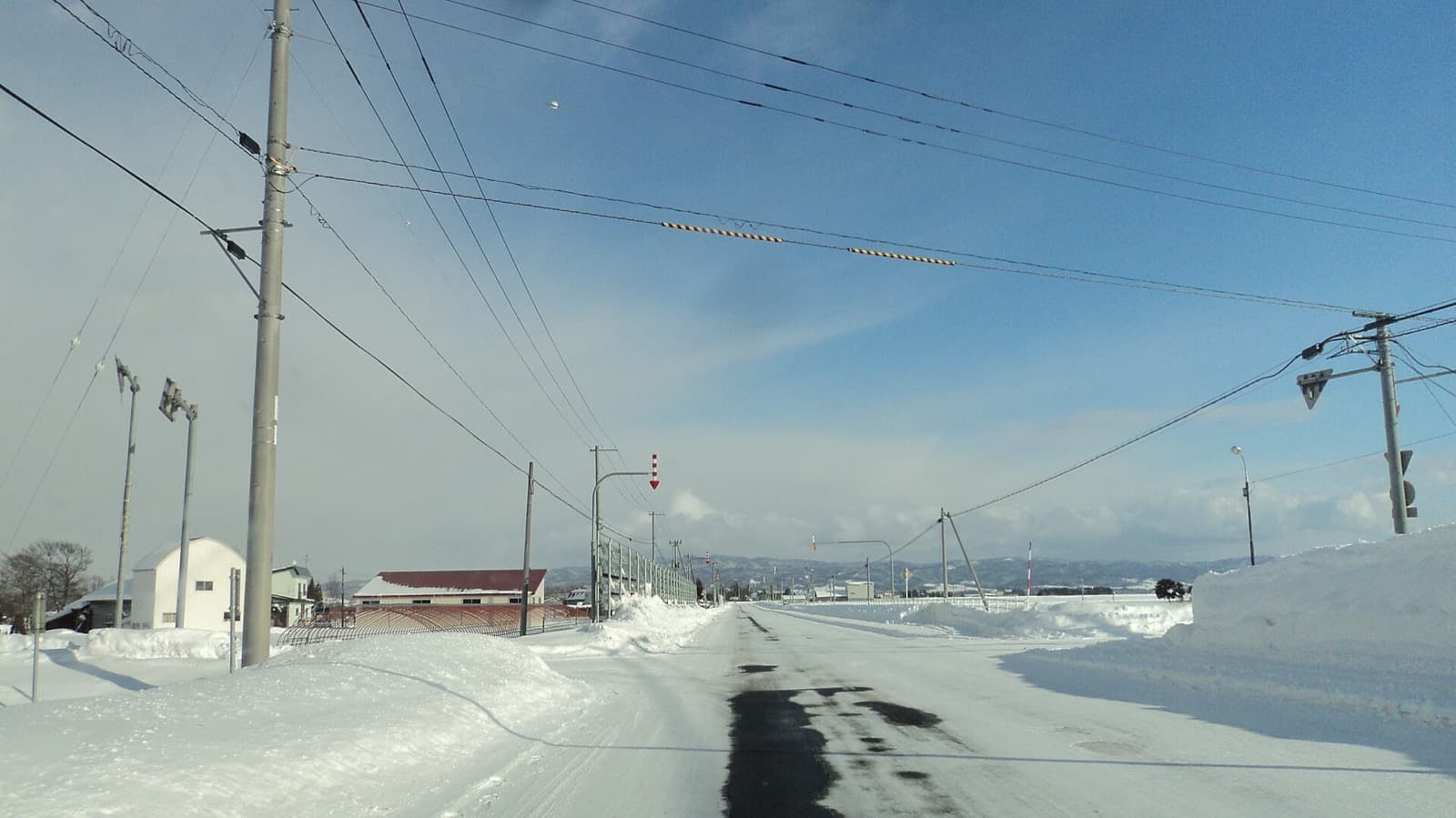
For a first 7-day Hokkaido winter trip without a car, we recommend four nights in Sapporo and two in Niseko, with Otaru as a day trip. You get city food, a canal walk and a full day in the snow without changing hotels every morning. Arrival and departure count as two of the seven days.
This is our suggested itinerary for the winter ski-bus season, not a guided package or a route we claim to have personally timed. It depends on reserving suitable transport to and from Niseko. If skiing is your main reason for coming, move a Sapporo night to Niseko; the plan below has only one full resort day.
Booking winter 2026–27 transport — checked 3 October 2026: Chuo Bus's Niseko page still displays the previous season and says reservations are planned around October. Meanwhile, Niseko Ground Service announces 2026–27 bookings open for its scheduled transfers, operated by Resort Liner. These are separate services: match operating dates and stops to your hotel, and check seats before paying for non-refundable stays. Bookings being open does not guarantee availability for your trip.
If you're still choosing between the train, a seasonal bus and a private transfer for each leg, Hokkaido winter transport compares the airport, Sapporo, Otaru and Niseko routes and what to do when a flight is late. This page turns those routes into one week.
Your seven days and six nights
| Day | Plan | Stay | Transport |
|---|---|---|---|
| 1 | Arrive at New Chitose; settle into Sapporo | Sapporo | Airport train |
| 2 | Otaru canal and shops; return to Sapporo | Sapporo | Train both ways |
| 3 | Travel to Niseko; collect rental gear if needed | Niseko | Reserved seasonal bus or arranged transfer |
| 4 | One full ski or snow-activity day | Same Niseko hotel | Walk or confirmed local transport |
| 5 | Return to Sapporo | Sapporo | Reserved bus or arranged transfer |
| 6 | Sapporo food, shopping and weather flexibility | Sapporo | Subway and walking |
| 7 | Travel to New Chitose Airport; fly out | — | Airport train, matched to your flight |
Book nights 1, 2, 5 and 6 in Sapporo, and nights 3 and 4 at one Niseko property. For an early flight, move night 6 to an airport-area hotel whose transfer arrangements match your departure. The spare city day reduces dependence on a mountain transfer immediately before flying; it does not guarantee protection from disruption.
Choose the Niseko base before booking the transfer: Hirafu, Niseko Village, Annupuri and Kutchan town need different final connections. Use the Niseko accommodation guide to match the hotel area to your lesson, lift access or non-ski plans, then reserve transport that serves that area.
Two or three Niseko nights within the same week?
The default two-night stay gives you one full resort day, not two ski days. For a first lesson followed by a separate practice day, compare a three-night alternative before paying. These are planning options, not promises about lift openings or lesson availability.
- Keep the original balance: Sapporo nights 1–2, Niseko nights 3–4, Sapporo nights 5–6. Day 4 is the full resort day; day 6 remains a city day or a place to move the Otaru outing.
- Protect two full resort days: Sapporo night 1, Niseko nights 2–4, Sapporo nights 5–6. Transfer on day 2, use days 3–4 at the resort, and return on day 5. This replaces the original day-2 Otaru outing; put Otaru on day 6 only if transport and weather allow. You keep the two city nights before flying, but no longer have both a fixed Otaru day and an uncommitted city day.
- Add the resort night at the other end: Sapporo nights 1–2, Niseko nights 3–5, Sapporo night 6. Days 4–5 are full resort days, but day 6 becomes a transfer day. There is still a night before the flight, not the original spare day. Do not describe the two schedules as equally buffered against disruption.
Choose the first three-night alternative if retaining the day-5 return matters more than a dedicated early Otaru outing. It still requires a confirmed day-2 transfer, hotel availability and suitable lessons; a late arrival on day 1 may make that early move unattractive. Do not count arrival-day skiing until the transfer, equipment fitting, lesson check-in and lift hours actually fit. Our Niseko travel guide covers the first-lesson booking checks.
Compare six nights, then change the bookings together
Price the same party and room arrangement in each option: six hotel nights with the same meal assumptions, both resort transfers, equipment for the actual rental period, lessons and the lift access each participant needs. A second resort day may change several charges, not just add a hotel night. Include non-skiers' meals and local transport, and any fee to remove the displaced Sapporo night. Keep these in the trip budget; do not add a seventh hotel night accidentally or count an unconfirmed refund as money already recovered.
Before changing anything, list the old and proposed dates for each hotel, transfer, lesson and equipment booking, with its own change deadline. Confirm availability and the supplier's change process before releasing a usable booking; if temporary overlapping reservations are needed, check their payment and cancellation terms first. Ask: “For [party] staying [dates], can we move the outbound transfer to [date], keep the return on day 5, and book a lesson on the first full day? What changes to room, rental and cancellation charges apply?” An extra night offers another opportunity; it does not guarantee two skiable days.
Match the week to your travel month
Choose your dates before treating the Niseko nights as fixed. The same seven-day outline needs different checks depending on when you travel:
- December: Use the December planning guide to check early-season assumptions and year-end plans. Keep the city days even if the snow activity you want is not yet available; only retain the Niseko stay when both the activity and transport are confirmed.
- January: Use the January travel guide alongside the transfer and hotel checks above. Keep day 6 flexible instead of adding a second distant destination to fill every hour.
- February: If an event is the reason for the trip, use the February travel guide to choose the city dates first, then fit the two Niseko nights around them. A seven-day holiday does not automatically overlap an event's operating dates.
If you only have three days, start with the Sapporo and Otaru three-day plan rather than compressing all seven days and the Niseko transfers into a short break. Apply the winter transport and footwear checks to that city route too.
Pack for the transfers, not only the slopes
This route includes luggage walks on days 1, 3, 5 and 7 as well as the Otaru day trip. Use the Hokkaido winter packing checklist to separate city walking layers and footwear from gear you intend to rent at the resort. Confirm exactly what the rental booking includes before leaving items at home.
Keep gloves, an extra layer, medication and the day's booking details accessible during transfers rather than buried in your main suitcase. If leaving luggage at the Sapporo hotel between stays, confirm storage first and pack the Niseko two-night bag separately.
What to book, and in what order
The Niseko transfer is the part of this week that can fail to exist. Everything else — city hotels, restaurants, the Otaru day — has alternatives. So confirm the transfer's season before you commit money to the nights it serves.
| Order | What you settle | Why it comes first |
|---|---|---|
| 1 | Flights, with the actual arrival and departure times | A late arrival or an early departure changes which nights are usable, not just which days |
| 2 | Whether a bus or transfer runs to your resort area on your dates | If it does not, the Niseko nights become a different plan rather than a booking problem |
| 3 | The Niseko area: Hirafu, Niseko Village, Annupuri or Kutchan town | The area decides the stop, and the stop decides the last stretch with luggage |
| 4 | Nights 3 and 4 at one property, then the transfer seats both ways | Book them close together so a change to one can still be matched by the other |
| 5 | Nights 1, 2, 5 and 6 in Sapporo | City rooms are the flexible half of the week; keep them as the part you can move |
| 6 | Lessons, rental equipment and any timed activity | Book these against confirmed arrival times, not against the timetable you hope for |
Note each cancellation deadline as you book. If the Niseko property's free-cancellation date falls before the bus operator opens reservations, you are holding a room against a service you have not yet confirmed — that may be acceptable, but decide it deliberately.
Day 1: New Chitose Airport to Sapporo
Take the airport train and keep the evening simple. JR Hokkaido's airport guide explains the services and ticket options. Most seats do not need reservations; the designated reserved-seat car does. Your flight arrival time, baggage collection and walk to the station come before the train journey.
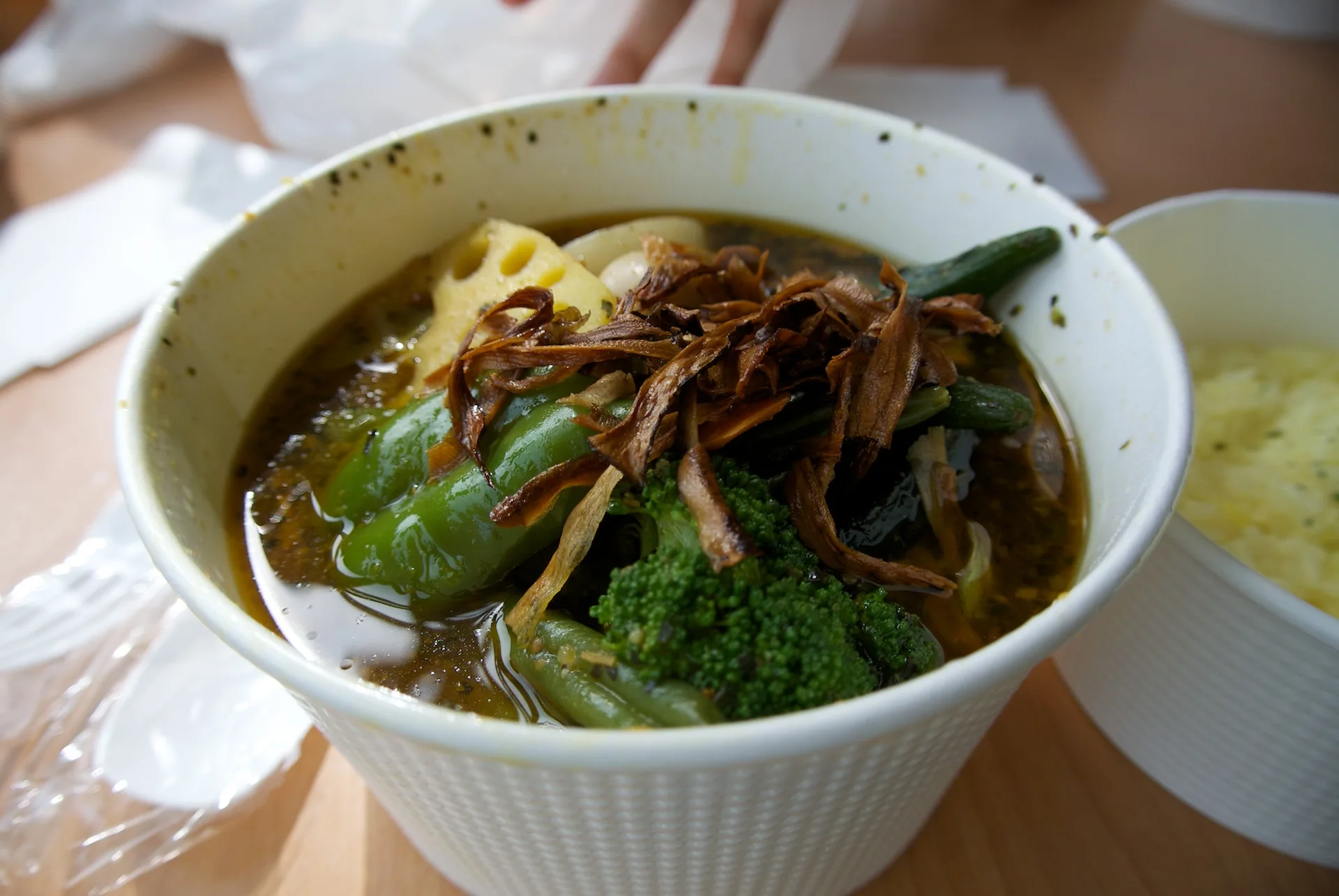
Choose your hotel by the actual walk from the station or subway exit. A short distance on a summer map can feel different with luggage on icy pavement. Our Sapporo hotel-area guide compares the station area, Odori and Susukino. For dinner, start with what to eat in Sapporo rather than adding another cross-city journey.
If your flight arrives after the last convenient service, arrange an airport-area overnight and shorten the following day's sightseeing. Trains do not run all night, and the terminal buildings have closing times. Landing late at New Chitose sets out what to check in what order.
Day 2: Otaru as a day trip
Leave your main luggage at your Sapporo hotel and take a train to Otaru. Make the canal, lunch and the Sakaimachi shopping area the core of the day. A small plan gives you room to warm up indoors and walk slowly when pavements are slippery.
Check your return service before leaving the station. If you stay for an evening walk, leave enough time to get back; seasonal illuminations and events need their own date checks. Do not build the entire day around an event you have only seen in last year's photographs.
If weather disrupts trains, use this as a Sapporo day and consider Otaru on day 6, subject to services recovering.
Day 3: Sapporo to Niseko
Reserve a seasonal bus that serves your chosen resort area, or arrange a transfer with a confirmed pickup and destination. Allow a substantial part of the day for moving and checking in. Do not book a non-refundable lesson immediately after the scheduled arrival.
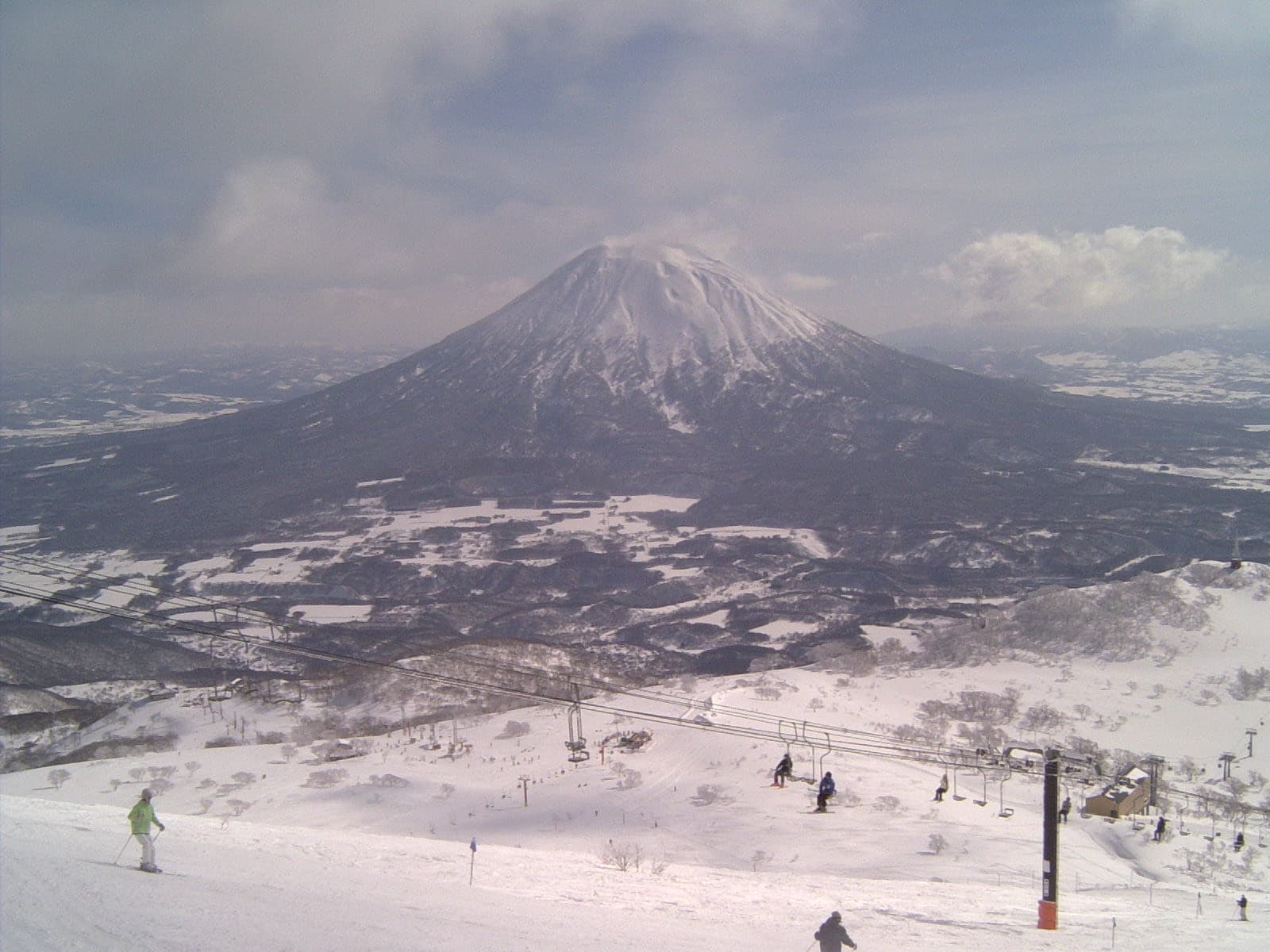
The official Niseko access page lists transport options. Match the stop to your hotel: Hirafu, Niseko Village, Annupuri and Kutchan town are not interchangeable addresses.
Then settle the last stretch, which is the part most often left until arrival. Ask the property directly:
- Which stop does the service use for your hotel, and is the hotel named on the operator's list of stops?
- How far is the walk from that stop, and is that route cleared in winter? Snowbanks and a suitcase turn a few hundred metres into a different kind of walk.
- Does the hotel run a pickup, does it need booking, and does it still operate at your arrival time?
- Can a taxi be called locally at that hour in high season, or does it need arranging in advance?
Slope-side descriptions such as ski-in/ski-out say nothing about the road side. A property can sit on the snow and still be awkward to reach with bags after dark.
If the seasonal bus is unavailable, check the complete rail journey through Otaru to Kutchan and the final bus or taxi to the hotel before booking. A station arrival is not a resort arrival. JR's current guidance says IC cards cannot be used beyond Otaru toward Kutchan and Niseko; buy the appropriate ticket at your departure station.
Starting in Niseko instead? Our New Chitose to Niseko guide compares airport buses, private transfers and rail. Check your operator's minimum flight-to-bus connection time, luggage rules and delay policy rather than transferring a Sapporo-bus assumption to an airport booking.
Day 4: Stay in one resort area
This is your full snow day. Beginners should book a lesson and rental equipment, checking the meeting point, lesson language, age requirements and what the price includes. Staying close to that meeting point is more useful than picking a hotel by the word “Niseko” alone.
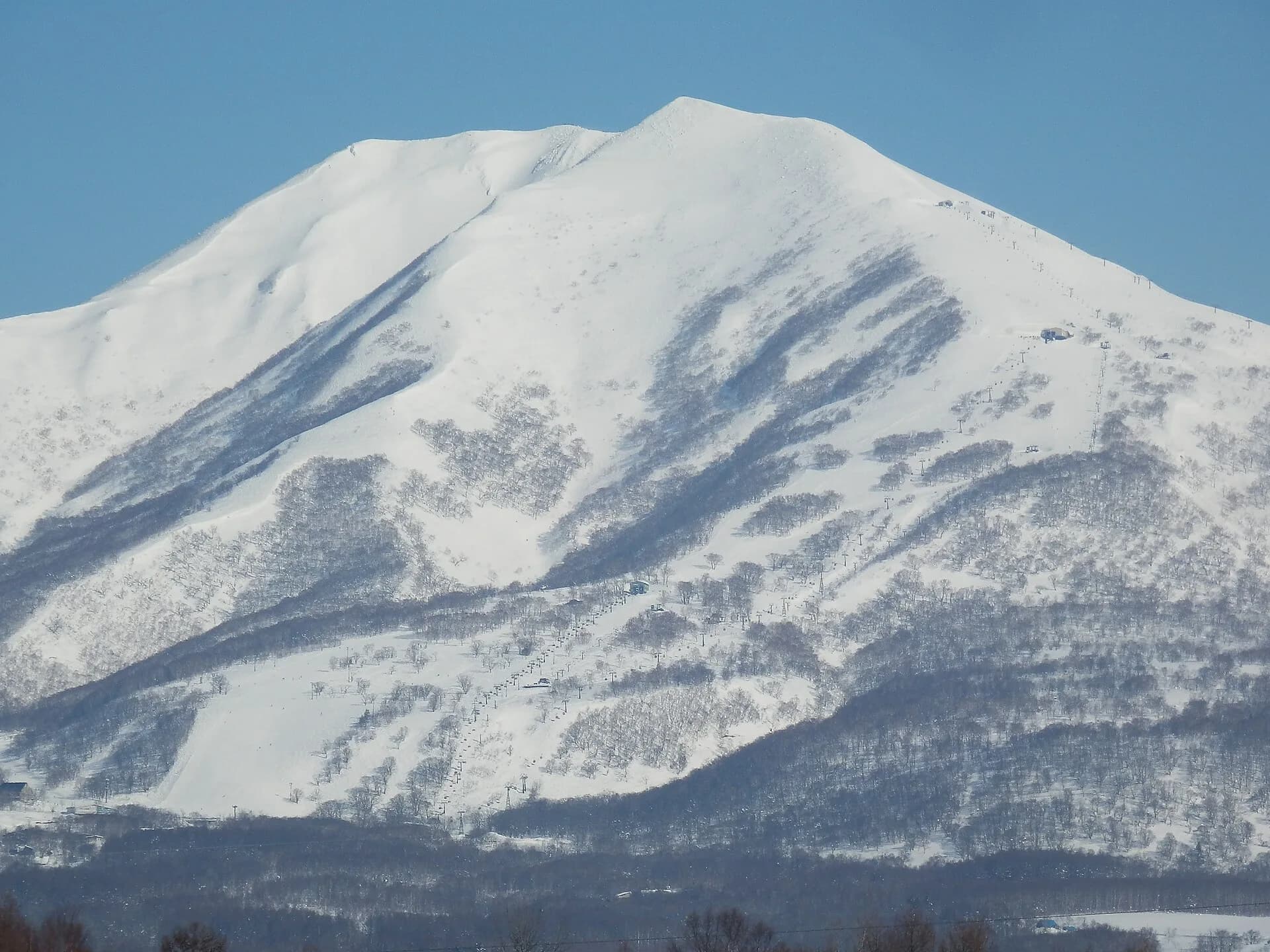
You do not have to ski. Choose an available snow activity or an onsen visit, but confirm operating dates, visitor access and transport with the provider. Avoid promising children an activity before checking age limits. For mixed groups, select a base where non-skiers can spend the day without relying on the skiers' transport.
Use our Niseko accommodation guide to choose the area. Check local bus times and fare conditions on the Niseko United access page; not every shuttle is free for every passenger, and a lift pass can have specific usage conditions.
Day 5: Return to Sapporo
Book the return journey when you arrange the outbound one. An afternoon departure may allow a quiet morning, but equipment returns and hotel checkout need to fit before pickup. Keep dinner plans flexible in case of road delays.
Using the same Sapporo hotel for both stays can simplify arrival. If you want to leave a suitcase there during your Niseko nights, ask in advance; storage between separate bookings is not an assumed service.
Day 6: A flexible Sapporo day
Keep this day for food, shopping and anything postponed from day 2. You can explore Odori and the covered shopping areas, then choose dinner near your hotel. Indoor stops make it easier to adapt to snowfall without abandoning the day.
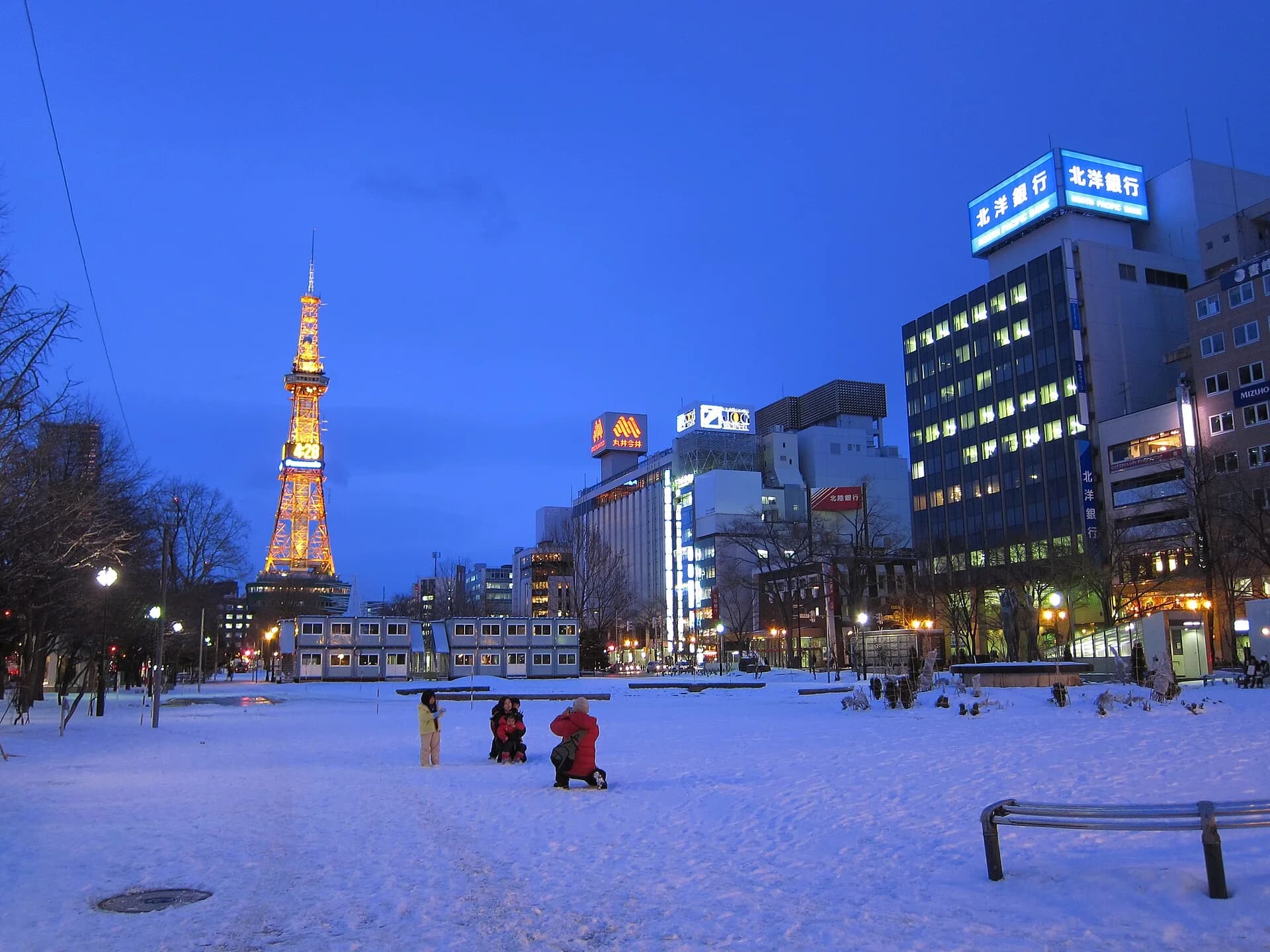
If the Snow Festival is your reason for travelling, check the official Sapporo Snow Festival website for the edition and venue dates that match your trip; our Sapporo Snow Festival 2027 guide sets out the February 4–11, 2027 dates and the three sites, and our Hokkaido in winter guide lists every 2026–27 winter date month by month. Snow sculptures are not a winter-long attraction. Shift this city day within the itinerary only after checking your Niseko bookings.
Day 7: Leave time for the airport
Check JR Hokkaido's live operation information and your airline's departure advice. Work backwards from the airline's check-in and baggage deadlines, including the walk to the terminal. The first scheduled train may not suit an early flight.

A bus or taxi is not a guaranteed rescue during a snowstorm: road transport can be affected too. If major disruption is forecast, contact your airline and accommodation before setting out.
Decide night 6 when you book the flight, not in the last week. Work back from the airline's check-in and baggage deadlines to the latest time you can leave your hotel, then check whether a train actually arrives before that. If it does not, there are two different answers. A taxi or private transfer booked in advance keeps your last evening in Sapporo, at a fare worth confirming when you book. Moving night 6 to the airport area or Chitose gives up that evening but shortens the departure morning to a short hop. Either way, decide it while the flight is still being chosen. Landing late at New Chitose covers the same night from the other direction, including the terminal opening times that a very early departure runs into.
When the weather interferes
Two nights in Niseko with one resort day means a single cancelled transfer can take the middle out of the week. Decide in advance which part gives way.
- The outbound transfer is cancelled. Contact the operator and the property the same day; a night you cannot reach is still a night you may be charged for. Whether to travel later that day depends on three things: whether the service has actually resumed, whether you can reach the hotel door safely after dark, and what the property's cancellation terms say about a shortened stay.
- Trains to Otaru stop. This is the easiest loss to absorb. Spend the day in Sapporo and move Otaru to day 6, which exists for exactly this.
- The resort day is a whiteout. Lifts close on wind as well as snow. Ask the hotel what is open before committing to a lift pass, and keep an indoor or onsen alternative in mind rather than treating the day as wasted.
- The return transfer is cancelled. You still have two Sapporo nights and a flexible day between you and the flight. That buffer is the reason the plan does not return from Niseko on the last morning.
- Disruption is forecast for departure day. Contact the airline before setting out, and confirm whether your accommodation can extend by a night if the flight moves.
Check JR Hokkaido's live operation information each morning rather than only when something looks wrong.
What this route leaves out
Furano, Biei, Tomamu and the eastern drift-ice coast deserve time of their own. We have not squeezed them into the gaps between resort transfers. If one is your priority, replace the Niseko portion with a separately checked stay and transport plan, rather than adding it to this week.
For summer or early autumn, the 7-day Sapporo, Furano and Noboribetsu itinerary offers a different route. Its countryside driving assumptions are not winter travel times.
Booking order and common questions
Can I really do this without renting a car? Yes, if the city trains, Niseko transfer and local hotel connections operate on your dates and have availability. Check those three pieces before committing to accommodation. This is not a claim that every rural Hokkaido attraction is accessible by public transport.
What should I book first? Flights, then the existence of a Niseko transfer on your dates, then the Niseko room, then Sapporo, then lessons and equipment. The booking order above explains why each step constrains the next. Compare cancellation terms while choosing, not after one half of the journey is locked in.
Do I need a rail pass? Do not assume so. This plan uses a limited number of train journeys plus road transport to Niseko. Compare the actual train tickets with any pass you are eligible to buy; check whether each bus is covered separately.
What if I do not want the Niseko stay? Keep Sapporo as your base, retain Otaru as a weather-dependent day trip and choose bookable local activities for the remaining days. That is a slower city-based holiday, not an equivalent ski itinerary.
When should I go? Match dates to the activity and transport you want. Our Niseko month-by-month guide helps compare ski-season priorities; current resort openings and snow conditions still need checking.
Sources and planning limits
Transport references checked 8 September 2026: JR Hokkaido airport services, Chuo Bus seasonal Niseko services and Niseko United access. At that September check, the bus pages displayed previous-season schedules. The Chuo Bus and Niseko Ground Service booking status was checked separately on 3 October 2026, as noted above; the other sources were not rechecked on that date. The overnight allocation is our editorial recommendation, not an operator-guaranteed connection. The booking order, last-mile checks and disruption fallbacks added on 23 September 2026 are planning judgement rather than new source checks, and we have not travelled this itinerary to time it.
Book what's in this guide
These are affiliate links. We may earn a commission if you book — the price you pay is the same. Learn more

Viator links open a regional or category list, not a single tour. Check each activity's location and dates before booking.
POWDER RUN
Take a break. Race the mountain.
Three fictional courses inspired by Niseko, Furano and Tomamu. Collect rings, land tricks and race your rivals to unlock the next mountain.
Free to play. No sign-up. Play in your phone or desktop browser.
Play the ski game →After your run, explore travel guides for stays, transport and things to do.
Northern Land Hokkaido Team — Sapporo, Japan