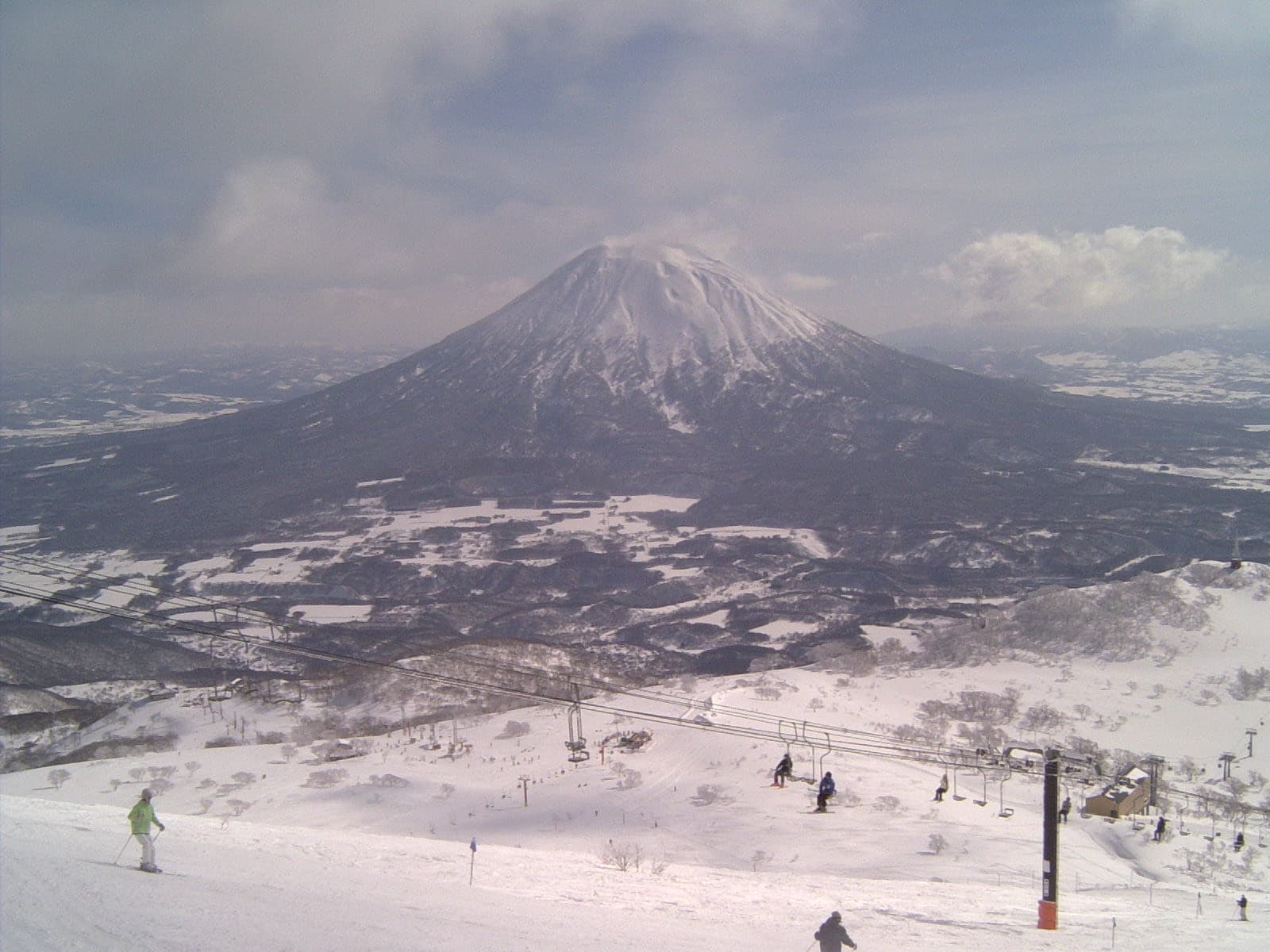
Niseko is a ski destination spread across several resort bases in western Hokkaido. For a first visit, choose where you will ski and meet your instructor before booking accommodation.
First, the geography (it matters)
"Niseko" the ski destination sprawls across two towns. Most of the action — Grand Hirafu, the nightlife, the majority of hotels — actually sits in Kutchan, the market town of the valley. Niseko Town proper is the quieter neighbor, home to Niseko Village and the farm-restaurant scene. Click both on our map; they're different worlds sharing one mountain.
And about that mountain: the resorts climb Mt. Niseko-Annupuri, while the perfect volcanic cone across the valley — the one in all your photos — is Mt. Yotei, wearing its "Ezo Fuji" nickname honestly.
How the four resorts fit together
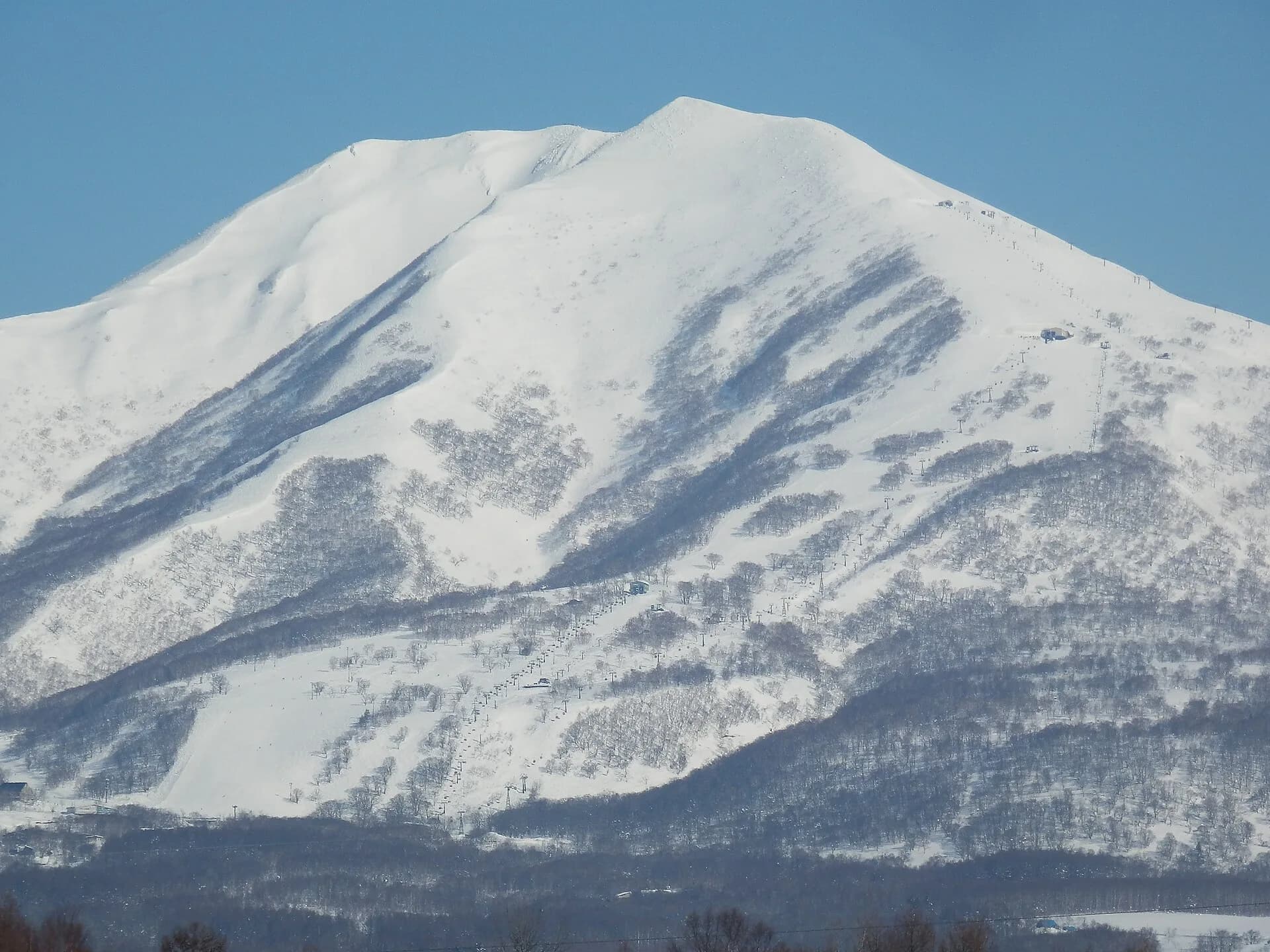
Niseko United brings together four resorts on Annupuri. Pick the one that fits what your trip needs from a base, then check the coverage of the actual lift pass you buy. The table is our editorial suggestion about fit, not a ranking.
Within each resort, distances vary a lot. The address of your hotel entrance and the lesson or activity meeting point matter more than the resort name on a booking page: "Hirafu" or "Niseko Village" alone doesn't tell you whether you can walk to the lift.
Scroll sideways to see the whole table.
| Resort | Suits this plan | What to verify before booking |
|---|---|---|
| Grand Hirafu | Staying in the village at its base, with restaurants and accommodation nearby. | The walking route from your hotel entrance to the lift you'll use, and the exact address where your lesson or rental shop meets. |
| HANAZONO | Travellers who have chosen a specific lesson or activity based there. | The meeting point inside the base, and how you get there and back from your accommodation if you aren't staying at HANAZONO. |
| Niseko Village | A resort-hotel base. | Which hotel entrance connects to the lifts or ski school, and whether the hotel shuttle needs a reservation or is for guests only. |
| Annupuri | Skiing combined with onsen nearby. | How you reach the bath you want and get back, and your road return if you ski across from another base. |
Each resort has its own official site: Grand Hirafu, HANAZONO, Niseko Village (Japanese page) and Annupuri. Our where to stay in Niseko guide compares the accommodation zones around them.
Connections depend on open lifts, weather and your ability to use the connecting terrain. A pass covering all four resorts does not guarantee that you can ski between them that day. Check the return route before crossing to another base, and check the official lift status on the day: it shows what is running now, not a schedule for later dates.
One footnote that catches people out: Niseko Moiwa, just past Annupuri, is a separate, much smaller independent resort — it is not on the Niseko United pass. Locals rate it for quiet days; just don't assume your pass covers it.
Choose lessons and terrain for your ability
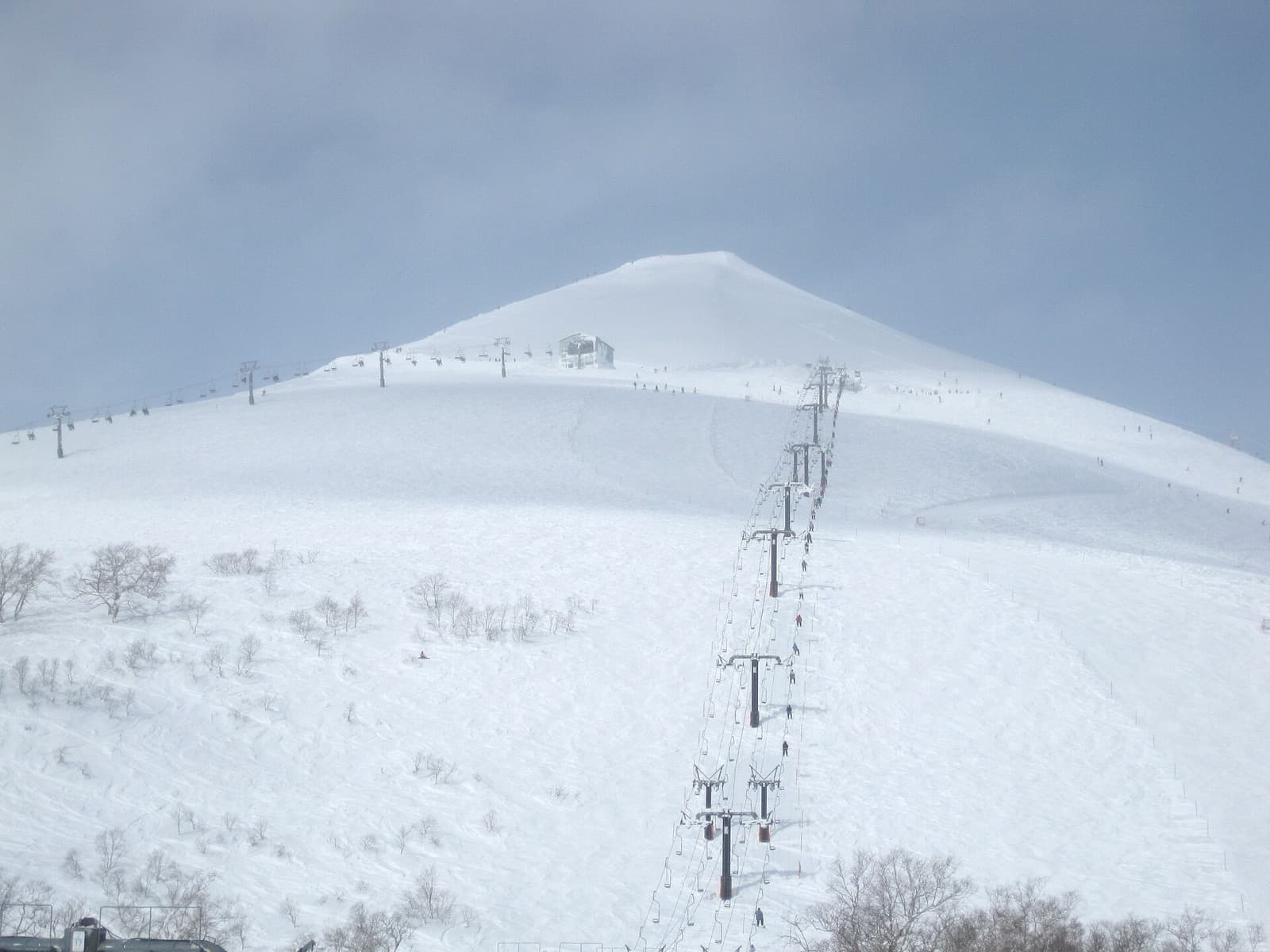
For a first ski trip, choose the lesson meeting point and ability level before booking accommodation. Confirm the teaching language, age requirements, rental fitting time and whether a lift pass is included. Do not assume a particular school has availability because lessons are advertised in English.
Use marked, open terrain suited to your ability. Soft snow and trees do not make a slope forgiving or remove collision and terrain hazards. Ask the school or ski patrol about appropriate areas rather than relying on a general resort description.
Gates do not mean risk-free terrain
An open gate does not guarantee safe conditions beyond the managed ski area. Hiring a guide does not remove avalanche or other mountain risks. Backcountry travel requires separate skills, planning and equipment; it is not included in the beginner activity suggestions here.
Read the official Niseko Rules and current local information. Never duck boundary ropes, enter closed gates or enter prohibited areas. Follow ski-patrol instructions and do not overestimate your ability or equipment. The official rules were checked on 11 October 2026.
Getting around the valley
This trips up more first-timers than anything else: Niseko is a valley, not a village. Hirafu, Kutchan town, Niseko Village and Annupuri are spread over several kilometers of snowy road.
In winter there are shuttle buses linking the resort bases and the main accommodation areas, plus local buses between Kutchan and the villages. Timetables shift year to year and some hotel shuttles are guests-only, so confirm the current season's routes with your accommodation rather than planning around last year's blog post.
Skiing across to another resort and getting back by road are two different plans. If the upper lifts stop for wind, the mountain connection can close and you'll need to get back by road. A bus or taxi isn't assured, so check:
- the timetable for your actual operating day, where the stop is and when the last service leaves;
- whether your lift pass makes you eligible for the resort shuttle, and the fare for anyone without one, such as a non-skiing companion;
- whether your hotel's shuttle needs a reservation, and who may use it.
Don't assume every shuttle is free or runs all season. The official Niseko access page sets out the shuttle and its ticket conditions, but a timetable published for an earlier season is not the plan for yours; wait for the current season's version. If you can't confirm a way back, stay at the base and ask resort or hotel staff to help arrange one.
The practical upshot: if you're staying in Kutchan town for the value, budget time and patience for the commute, especially at night. If you want to walk to the lifts and to dinner, look at Hirafu, check the actual walking route from the entrance, and expect to pay more for it. Our where to stay in Niseko guide breaks the trade-off down zone by zone.
Example: a first-time skier travelling with a non-skier
Say one of you is learning to ski and the other doesn't ski at all. For the first ski day, choose one base and keep both of you there, rather than splitting across resorts:
- Start from the lesson. Pick the school and its meeting address, then accommodation that reaches it easily. The non-skier's day starts from the same base.
- Arrange the rental fitting before the lesson, so it isn't squeezed into the lesson's start. Ask the school how early to arrive with your equipment.
- Ask which lifts the lesson actually uses, and buy the pass the school requires rather than the widest one by default.
- Agree a reunion place and time, and how each of you gets back to the accommodation alone if plans change.
- Have an indoor fallback for that base. If conditions stop the lesson or activity, use an onsen or café only if it is open that day and the non-skier can reach it independently; otherwise plan to wait at your accommodation.
Rental, lesson, lift pass and transfers may each be a separate charge. Compare the total for the same party and the same days, not the cheapest headline price; our Hokkaido trip budget guide helps you add it up. For other days of the trip, Hokkaido in winter without skiing has Sapporo-based ideas; it isn't a same-day backup from Niseko. Dress both of you for waiting outside in snow with the winter packing list.
When the mountain shuts — and what non-skiers do all day
Two things nobody plans for: storm days when the upper lifts close for wind, and travel partners who don't ski. Both are solvable here in a way they aren't at every resort.
- Onsen. The valley is thick with them, from slope-side hotel baths to farm-village bathhouses. Snow falling on your head while you soak is the whole point.
- Kutchan town. Supermarket, izakaya, and the ordinary Hokkaido town the resort grew out of — genuinely more interesting than a shuttered lift queue.
- Snowshoeing and cat tours. Low-wind alternatives when the top of the mountain is unrideable.
- Otaru. A canal town, sushi counters and glass workshops, close enough for a day trip. See our Otaru notes in the Shiribeshi region guide.
- Lower-mountain laps. When the upper gondola shuts for wind, some lower lifts may still run; check the live lift status.
Beyond the skiing
The onsen culture here deserves its own trip: after-ski soaks with snowbanks over your head, from slope-side hotels to farm-village bathhouses. Restaurants punch far above small-town weight — this valley grew food long before it hosted skiers, and the best meals pair Hokkaido produce with a view of Yotei.
Why it feels so international
Niseko surprises people: English menus, Australian accents, prices closer to Whistler than to rural Japan. The short version is that from the late 1990s onward, Australian skiers — a plane ride away, and in the right hemisphere to ski during their summer holidays — found the snow here and kept coming. Investment followed, then hotels, then a permanent international community.
Whether that's a feature or a drawback depends entirely on what you came for. It makes Niseko the easiest place in Japan to ski if you speak no Japanese. It also means Hirafu in peak season feels less like Hokkaido than Kutchan, just down the road, does. Knowing that in advance is most of the battle.
How Niseko compares to the alternatives
- Rusutsu — a separate resort nearby, often quieter. Some people ski both in one trip; check day transfers for your dates.
- Niseko Moiwa — the small independent next door, for people who want the same snow without the scene.
- Furano — inland, more Japanese in feel, less nightlife. Covered in our Furano & Biei guide.
- Honshu resorts (Hakuba, Nozawa) — a different trip with their own terrain and access; compare conditions and travel for your dates.
For a week combining the resort with city time, our 7-day winter itinerary without a car uses four Sapporo nights and two Niseko nights, with Otaru as a day trip.
The season nobody talks about
Summer Niseko is one of Hokkaido's quiet secrets: rafting on the Shiribetsu River, cycling under Yotei, golf, hiking Annupuri for the view back across the valley, and roadside veggie stands selling the sweetest corn of your life. Summer activities and accommodation have their own operating periods. Check the meeting point and onward travel before combining an activity with a long drive to another area.
Getting there
From New Chitose Airport: travel time depends on the operator, route, stops and winter roads, so check the timetable your bus or transfer operator publishes for your actual date, not an earlier season's schedule, and leave a generous margin. The train via Otaru to Kutchan Station is a scenic alternative. Our New Chitose–Niseko guide compares the options. In deep winter, unless you're comfortable on serious snow, take the bus and thank yourself later.
Gear is easy — rental shops in Hirafu and Kutchan carry powder-width skis and boards, which is worth knowing if your home setup is a narrow carving ski. What you should bring rather than rent: proper goggles with a low-light lens (flat light is common on snowy days), and warm gloves you already trust.
The skiing is what brings most people. But the valley around it — the market town, the onsen, the farms, the volcano — is what turns a ski trip into a Hokkaido trip. That's the part we'll keep digging into, one town at a time.
Go deeper: plan your Niseko winter
Ready to get specific? We've broken the big decisions into their own guides:
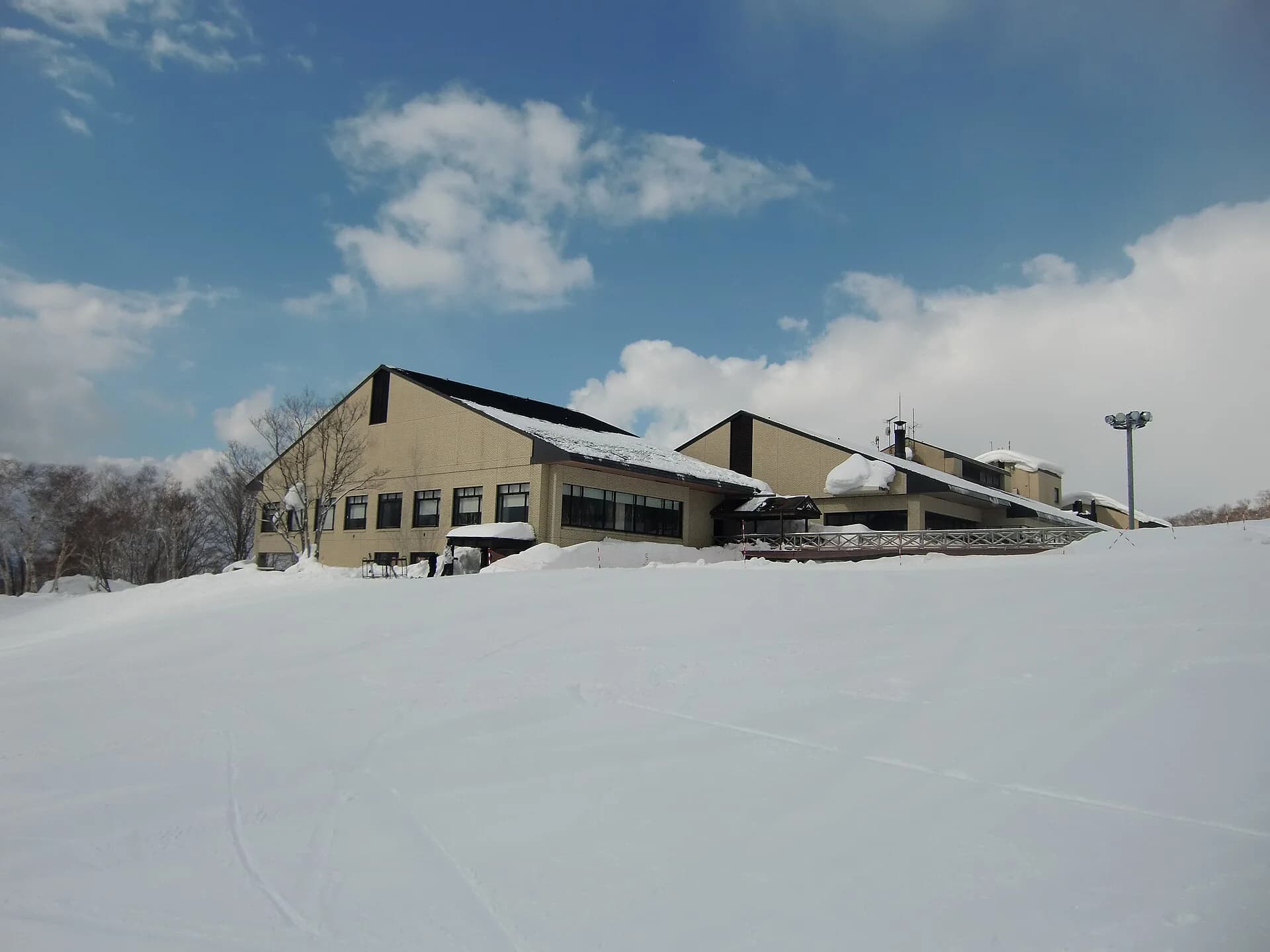
- Where to stay in Niseko — Hirafu village, Kutchan town or the quiet Annupuri side: which zone fits your trip.
- The best time to ski Niseko — December vs Japanuary vs March, month by month, honestly.
- The 7-day Hokkaido winter itinerary — Sapporo, an Otaru day trip and two Niseko nights, using trains and reserved transfers.
Before booking a lesson or other activity
Confirm the exact resort and meeting address, check-in time, total duration, participation requirements and teaching language. Compare the total price including equipment, lift access or transfers where needed. Ask what happens if lifts close, the weather changes or your airport transfer arrives late; cancellation rules differ between products.
For non-skiing companions, choose a specific operating activity and confirm how to reach it. A general winter-activities listing does not establish that an experience runs on your date. The Niseko United website links to resort activities, schools and live lift information.
Plan the arrival separately with our New Chitose–Niseko transport guide. Avoid a tightly timed paid lesson immediately after a flight and winter transfer.
Questions before booking
Which resort is the best base for a first-timer? There isn't one answer: it depends on where your lesson actually meets and where you can stay within easy reach of it. Choose the school and its meeting address first, then the accommodation, so the first morning isn't a long transfer.
Do I need a pass covering all four resorts? Not necessarily. It depends on which lifts your lesson uses and whether you'll really ski at other resorts afterwards. Ask the school what it requires, then decide on wider coverage; our best time to ski Niseko guide helps you judge how much skiing your dates suit.
How does a mixed group get back at the end of the day? Agree before splitting up where and when you'll meet and how each person returns, including the road option if the mountain connection closes. A non-skier may need their own bus fare or taxi from wherever they spent the day, so confirm that one is running at that time. The official access and lift-status pages and the four resort sites were checked on 19 October 2026.
Book what's in this guide
These are affiliate links. We may earn a commission if you book — the price you pay is the same. Learn more

Viator links open a regional or category list, not a single tour. Check each activity's location and dates before booking.
POWDER RUN
Take a break. Race the mountain.
Three fictional courses inspired by Niseko, Furano and Tomamu. Collect rings, land tricks and race your rivals to unlock the next mountain.
Free to play. No sign-up. Play in your phone or desktop browser.
Play the ski game →After your run, explore travel guides for stays, transport and things to do.
Northern Land Hokkaido Team — Sapporo, Japan