Start with a ramen or soup-curry lunch, then choose a different dish for dinner. Leave time for sightseeing and decide how much room you want for seafood, sweets and snacks. The list below is a guide to dishes, not a ranking of restaurants.
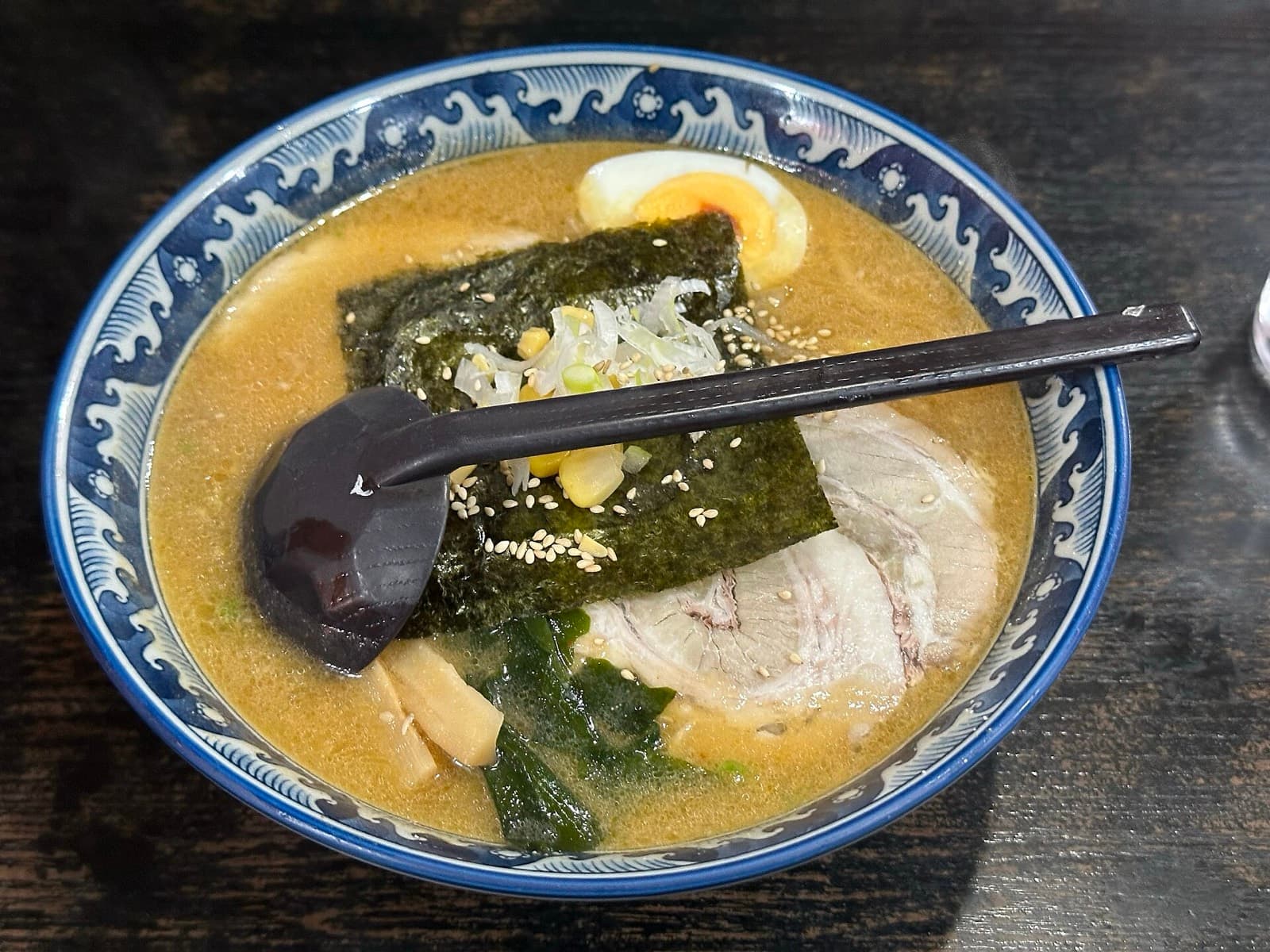
1. Miso ramen
Miso ramen is one of Sapporo's signature meals. Broth, noodles and toppings vary by shop; butter and corn are not included in every bowl. Read the menu before adding toppings, and check whether the restaurant has a lunch break.
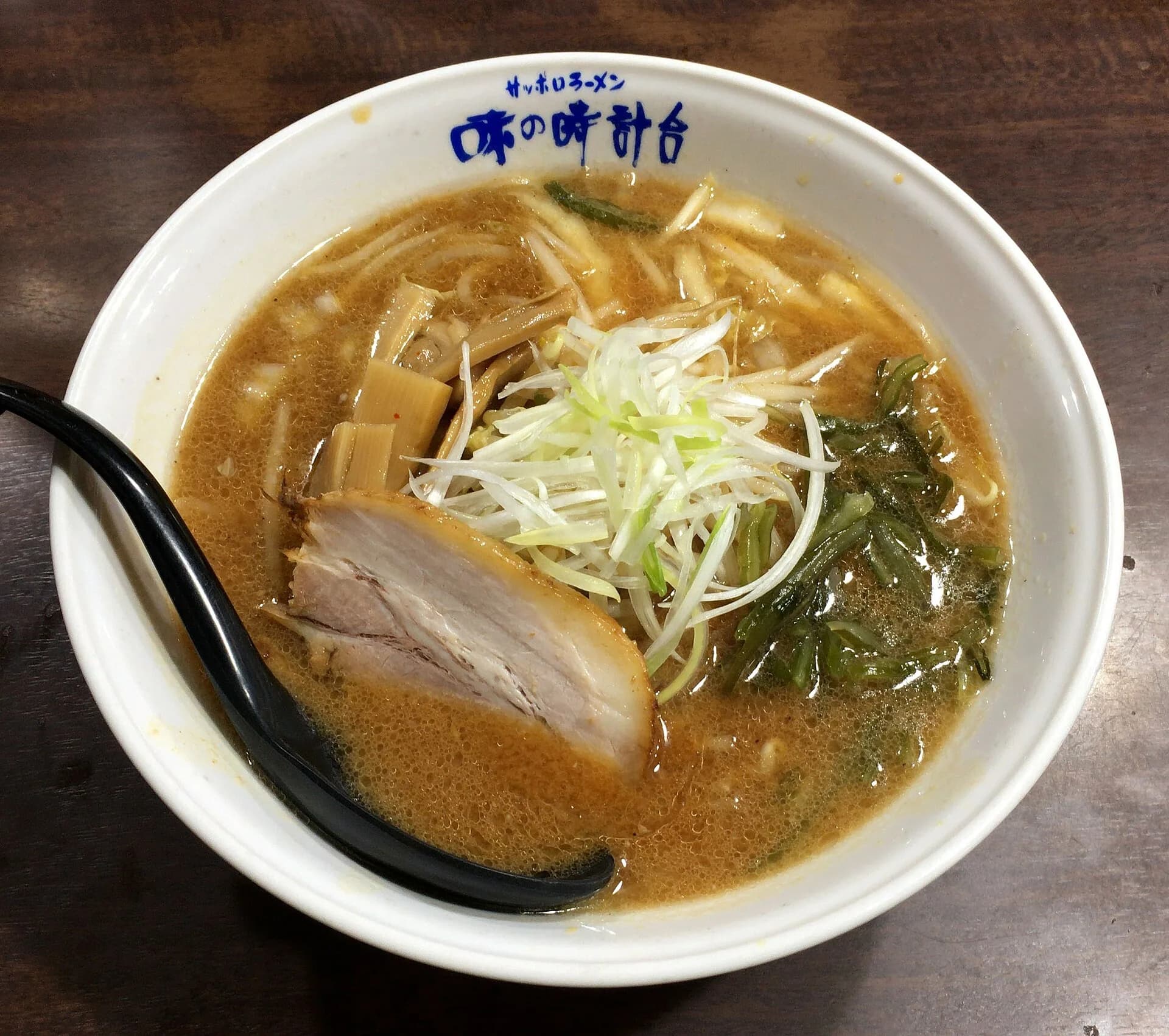
To choose between Susukino, Sapporo Station and the airport, and for ordering tips, see the Sapporo ramen guide.
Have a nearby second choice if your first restaurant has a long queue. You do not need to spend the whole lunch window waiting at one named shop.
2. Soup curry
Choose your main ingredients, heat level and rice portion. Some restaurants also offer a choice of broth. A spice number means something different at each shop, so use its menu description rather than a number remembered from another restaurant.
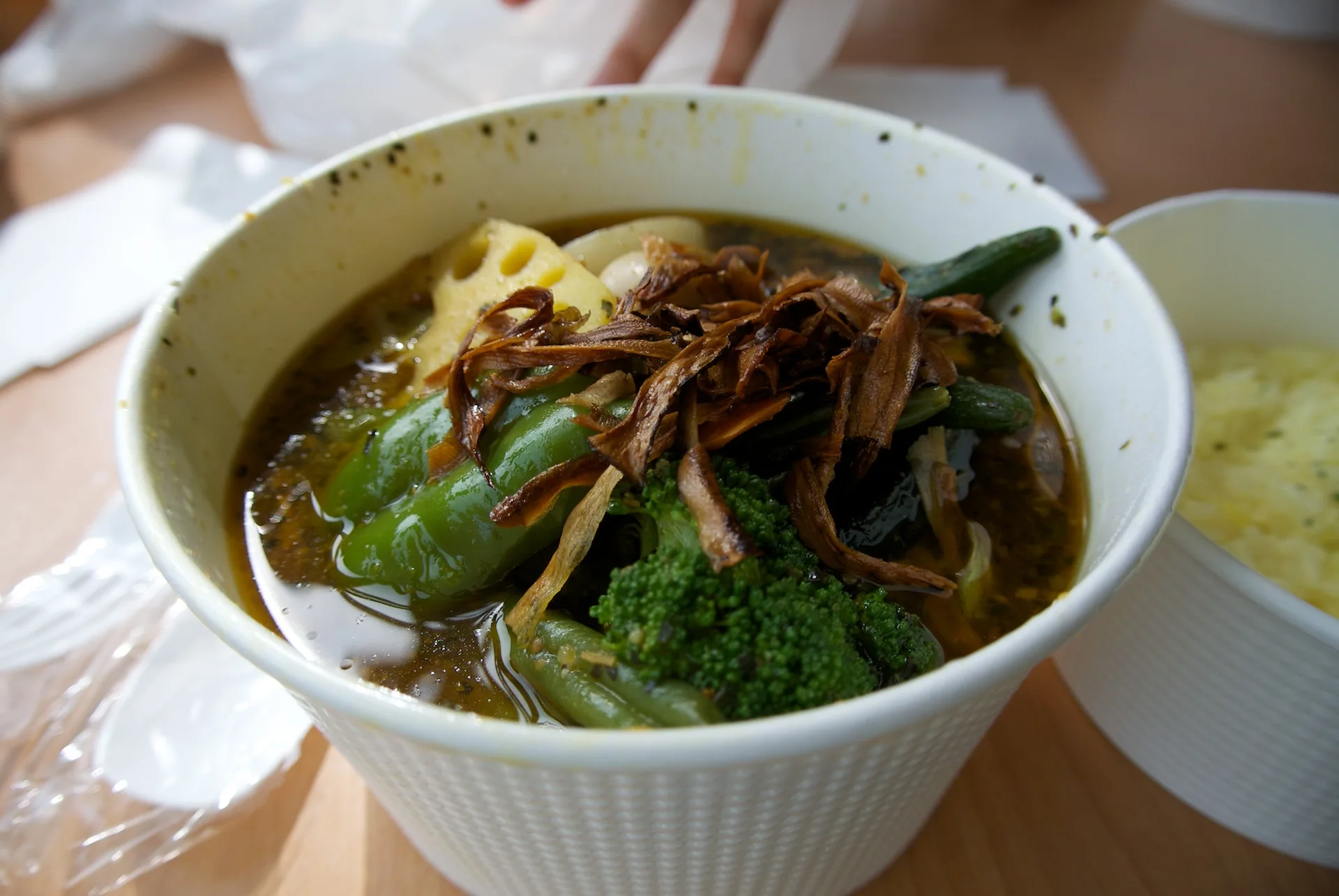
Vegetable toppings do not necessarily mean a meat-free broth. Ask the restaurant about stock and sauces when checking dietary requirements.
For three shop examples by area and step-by-step ordering, see the Sapporo soup curry guide.
3. Jingisukan: grilled lamb
Jingisukan combines sheep meat and vegetables cooked on a grill. Restaurants differ in cuts, marinades and serving styles. Compare a set meal, course or individual plates according to your group size and appetite.
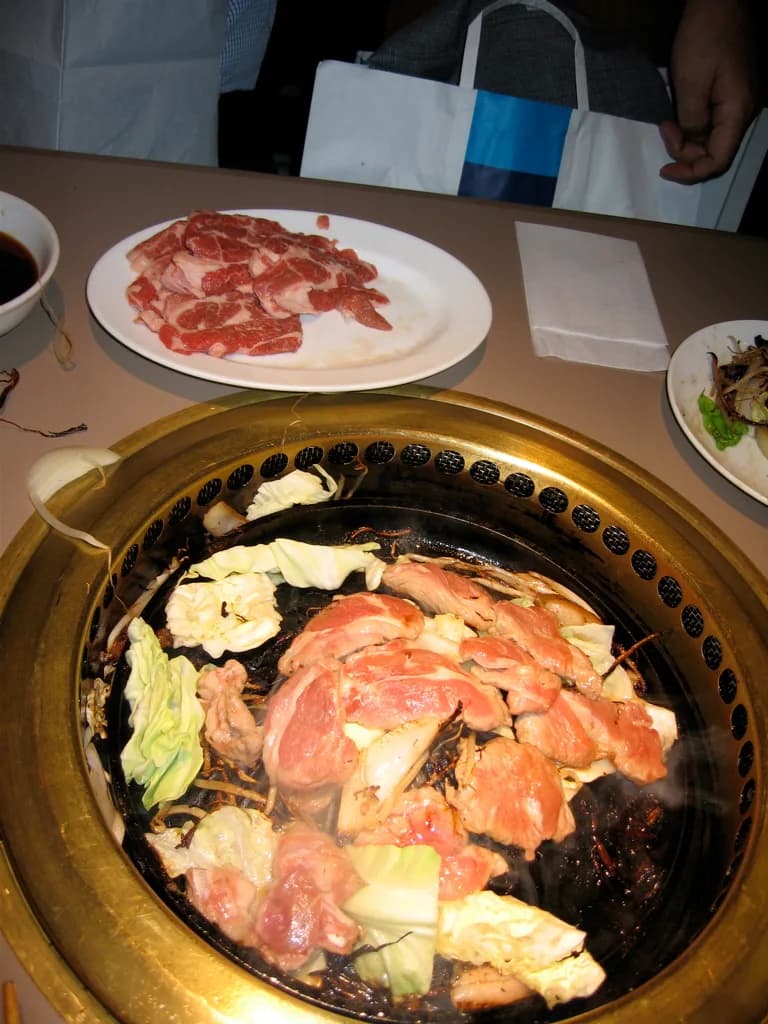
Follow the restaurant's cooking instructions and cook meat thoroughly. Do not judge safety by whether the centre still looks pink. Keep utensils for raw meat separate from eating chopsticks. Japan's Ministry of Health guidance (Japanese) explains why raw or undercooked meat should be avoided.
Ask about storage for coats and bags if grill smells are a concern.
4. Crab
Crab may be sold as individual portions, by weight or as part of a course. Check the species, portion and final price before ordering, especially when a menu says market price. Ask about origin if buying Hokkaido-caught seafood is important to you.
A small tasting portion and a full crab dinner need different budgets. Decide which experience you want before choosing a restaurant.
5. Seafood bowls and market breakfasts
Nijo Market and the Sapporo Curb Market are different destinations. Pick one according to the restaurant you want to visit and your next stop. Confirm that restaurant's hours; a market-wide opening time does not apply to every business.
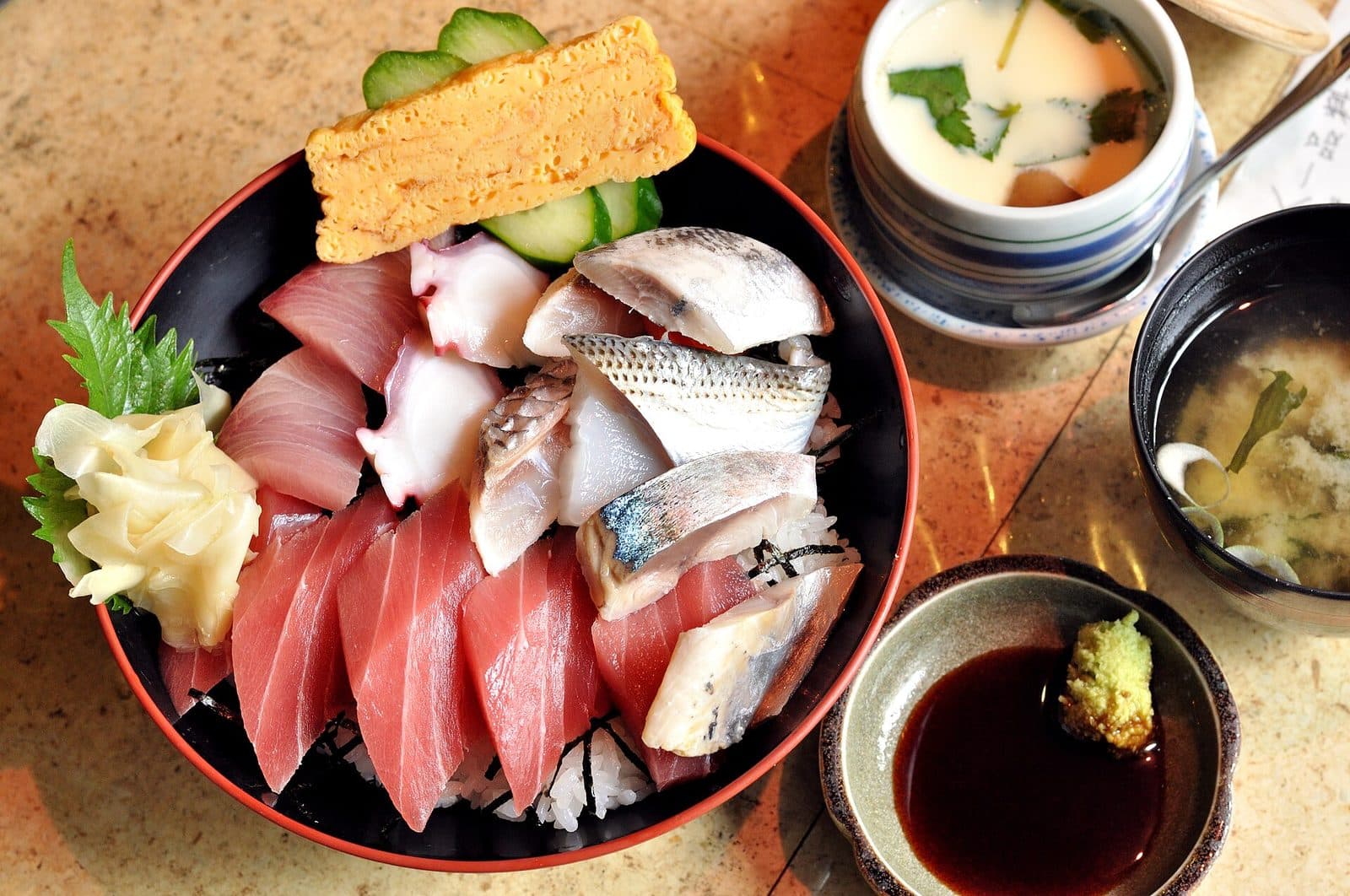
Compare toppings, portion size and price. Availability and origin vary, so do not assume every ingredient in a displayed photograph will be offered that day or comes from local boats.
6. Zangi
Zangi is a familiar Hokkaido fried dish, often chicken. Seasoning and serving size differ between restaurants. It can work as a shared dish with dinner; check the portion before ordering it alongside several full meals.
7. Soft serve and dairy sweets
A soft-serve or café stop can fit between sightseeing visits. Check seasonal opening days for stand-alone shops. If carrying dairy products onward, ask about storage and cooling rather than relying on outdoor winter temperatures.
8. Shime parfait
A parfait can be an evening dessert as well as an afternoon break. If you want one after dinner, check last orders and whether the shop accepts bookings or uses a waiting list. Do not assume every parfait shop stays open until midnight.
9. Beer
If you plan to drink with dinner or visit a brewery, arrange the return journey without driving. Check the operator's current tour, tasting and reservation information. A museum visit and a restaurant booking may be separate arrangements.
Which area fits your day?
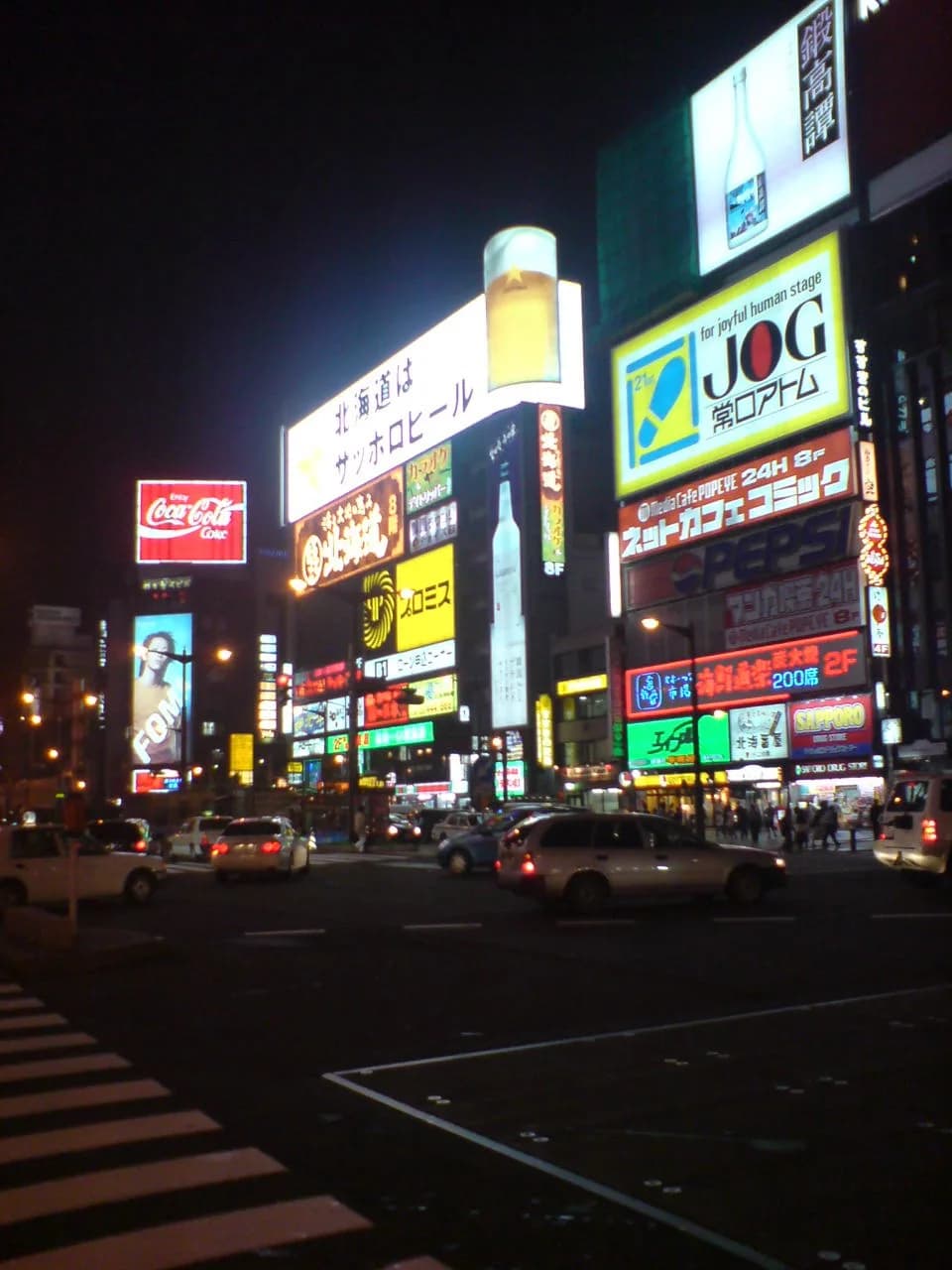
- Sapporo Station: Consider meals near the station when arriving, departing or staying nearby. Check the specific building and restaurant opening hours.
- Odori and Tanukikoji: Combine lunch or a café stop with central sightseeing and shopping.
- Susukino: Look here for dinner options and evening dessert, while checking the last journey back to your hotel.
- Markets: Choose a particular restaurant first, then plan its transport and opening time. Nijo and the Curb Market are not interchangeable stops.
Compare addresses with the Sapporo hotel-area guide. A place close to your hotel may be more convenient than crossing town after a long sightseeing day.
Where to eat in Sapporo: four places to start
For a seafood breakfast, choose Nijo Market or the Curb Market. For ramen near Susukino, consider Ganso Sapporo Ramen Yokocho. If jingisukan is the main event, compare the halls at Sapporo Beer Garden. Choose a stop that fits your hotel and sightseeing rather than trying to visit all four.
On a small screen, scroll the table horizontally to compare all columns.
| Place | Meal | Location and access | How to fit it into your day |
|---|---|---|---|
| Nijo Market | Seafood bowls or sushi for breakfast or lunch | Minami 3-jo Higashi 1–2-chome, Chuo-ku | Combine with a walk around the Sosei River. Start with your chosen restaurant's hours |
| Sapporo Curb Market | A seafood meal and market shopping | Kita 11-jo Nishi 21-chome. About 7 min on foot from Nijuyonken subway station or 10 min from JR Soen | Allow a separate market outing; look for a breakfast or lunch stop rather than assuming dinner service |
| Ganso Sapporo Ramen Yokocho | A bowl of ramen in Susukino | N Grande Building 1F, Minami 5-jo Nishi 3-chome. About 3 min on foot from Susukino subway station | Compare menus and queues before choosing a shop. Opening hours and closing days vary |
| Sapporo Beer Garden | A meal centred on jingisukan | Kita 7-jo Higashi 9-chome 2-10, Higashi-ku. About 8 min on foot from JR Naebo's north exit | Choose a hall and meal plan, then check availability before fixing the rest of the evening |
The walking estimates start at the station; allow separately for train journeys, waiting and winter walking conditions. Nijo and the Curb Market are in different parts of the city. Choosing one for breakfast leaves more time than travelling between both for the same meal.
Check which Beer Garden hall you are booking
The official reservation page lists Poplar Hall as scheduled to close for refurbishment from 25 October 2026 until around mid-January 2027. The outdoor beer garden's 2026 season has also ended. For a winter trip, check availability at your chosen indoor hall. Plan a museum visit and a meal separately, and arrange transport without driving if you intend to drink.
Locations and access checked against the linked official tourism and operator pages on 15 October 2026. See also the Beer Garden access and FAQ (Japanese). Menus, hours and closure or reopening plans can change; confirm information for your visit date. The suggested meal combinations above are NLH editorial choices.
A flexible one-day food plan
Have a light breakfast, choose soup curry or ramen for lunch, then leave an afternoon break for sweets. Reserve jingisukan or seafood for dinner if that is the meal you most want to organise. If you choose a substantial market breakfast, move lunch later or keep it smaller.
This is an NLH planning suggestion, not a timed or personally tested restaurant crawl. Allow time for queues, travel and winter walking conditions. An evening reservation is easier to keep when the previous activity finishes nearby.
Planning food costs without paying twice
Start with the meals already included in your room booking, not a daily restaurant allowance multiplied by the number of days. A market breakfast on a hotel-breakfast morning may mean paying for two breakfasts; compare the room-only and breakfast-included plans before booking, and check whether an existing plan can be changed.
For each day, write down one priority meal and the costs around it:
- The main meal: record whether the quoted amount is per person, per plate or for the whole group. For crab priced by weight or at market price, ask for the total for the actual portion before confirming.
- The rest of the bill: ask whether tax, drinks, a seating charge or a required order is included. Do not assume every restaurant charges these, or that a course includes them.
- Getting there and back: include transport for everyone. A cheaper meal across town may not be cheaper once the return trip is counted.
- Snacks and children: budget sweets separately, and ask about children's portions and sharing rules rather than treating a shared adult meal as a guaranteed option.
A useful booking question is: “For our group, what is the total for this meal, what must we order separately, and can children share?” Save the answer with the reservation. For a family, agree which meal matters most before adding several courses or dessert bookings.
Put these amounts into the Hokkaido trip-budget worksheet. Use the family-trip guide for the wider daily rhythm, or the Sapporo and Otaru three-day itinerary to place the meal near that day's sightseeing. This is a budgeting method, not a claim about typical restaurant prices.
Booking and dietary questions
Check reservations for lunch as well as dinner: policies differ by restaurant. Confirm cancellation terms, seating, children's entry conditions and any minimum order before booking.
For allergies or dietary restrictions, ask about ingredients, stock, sauces and preparation. A dish name or a photograph cannot establish that a meal meets your needs. Avoid assuming a food hall or a vegetable curry provides a suitable fallback without checking.
For ideas and restaurant listings, consult the Sapporo tourism association's food overview (Japanese), checked on 11 October 2026. Confirm current menus and business hours directly with each operator.
Travelling farther? Use the regional Hokkaido food guide and day trips from Sapporo to fit meals into the rest of your route.
Heading on to Otaru, Hakodate or Obihiro next? The Hokkaido food guides by city help you choose the next meal for each stop.
Book what's in this guide
These are affiliate links. We may earn a commission if you book — the price you pay is the same. Learn more

Viator links open a regional or category list, not a single tour. Check each activity's location and dates before booking.
Northern Land Hokkaido Team — Sapporo, Japan