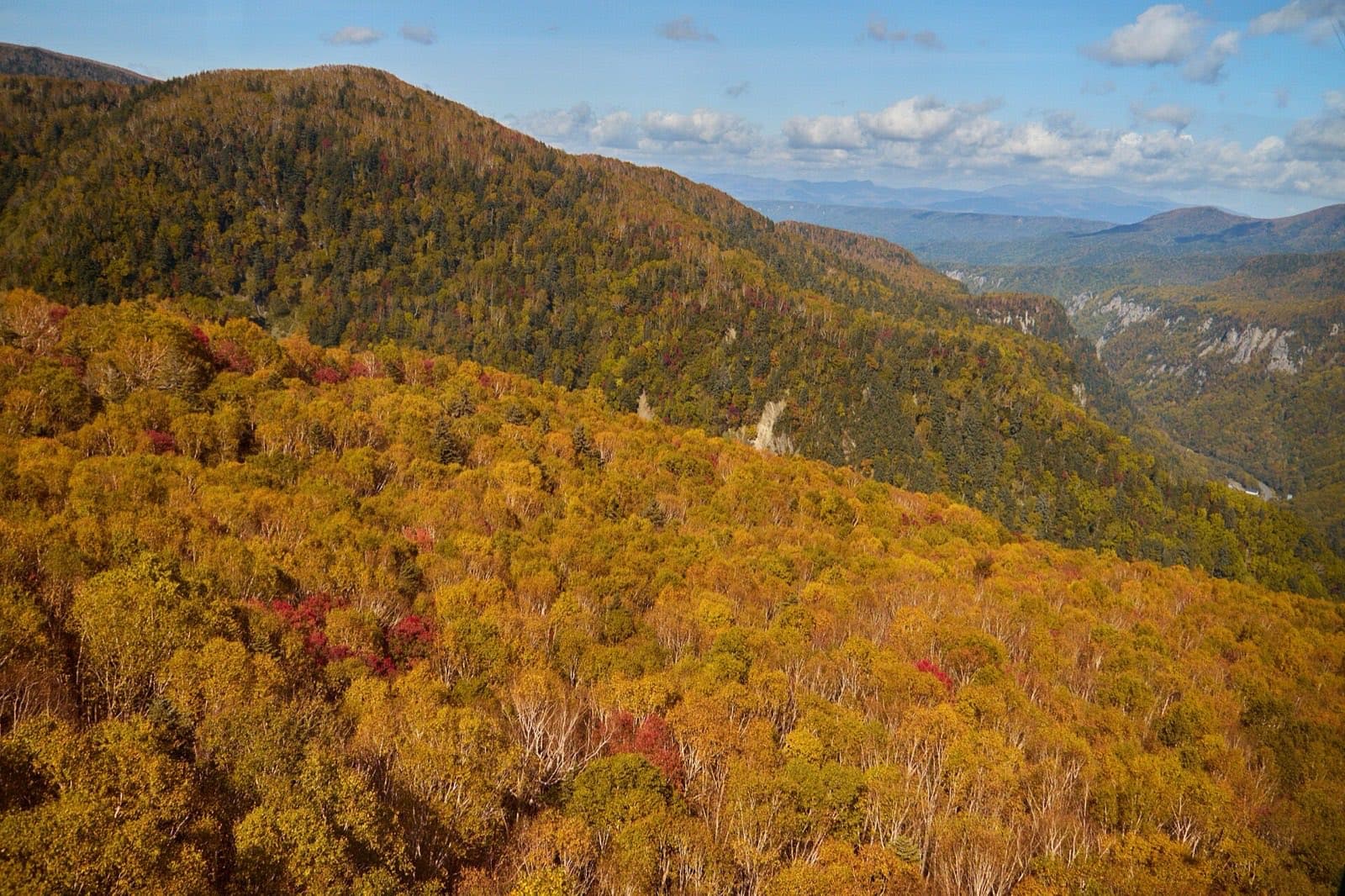
Ask most travelers about autumn in Japan and they'll describe Kyoto in late November: maple gardens, temple crowds, tripods three-deep at every famous gate. What almost nobody tells you is that Japan's fall season actually opens two months earlier — at the top of Hokkaido.
The high slopes of Daisetsuzan are famed as the first place in Japan to turn each year, typically from mid-September. From there, the color rolls downhill and south for weeks, reaching the gorges and lakes in October and finishing in gold larch forests as the first snows dust the peaks. Pair that with harvest season on the island that grows much of what Japan eats, and autumn might be Hokkaido's most underrated few months.
Why autumn works here
The colors come first. While Honshu is still in summer, Hokkaido's alpine zones are already turning. If you want Japanese fall foliage in September, this is where it is.
It's harvest season on Japan's farm island. Potatoes, squash, sweet corn, new rice, salmon and ikura — autumn is when Hokkaido's food is at its absolute peak, often eaten within sight of where it was grown or landed.
The crowds thin out. Autumn sits between the summer lavender rush and the winter powder rush. Do not assume that means empty viewpoints or cheap rooms: popular foliage destinations and holiday weekends need their own availability check.
The air is made for driving. Crisp, clear days with long sightlines — arguably the best conditions of the year for a Hokkaido road trip.
Month by month
September — the alpine opening
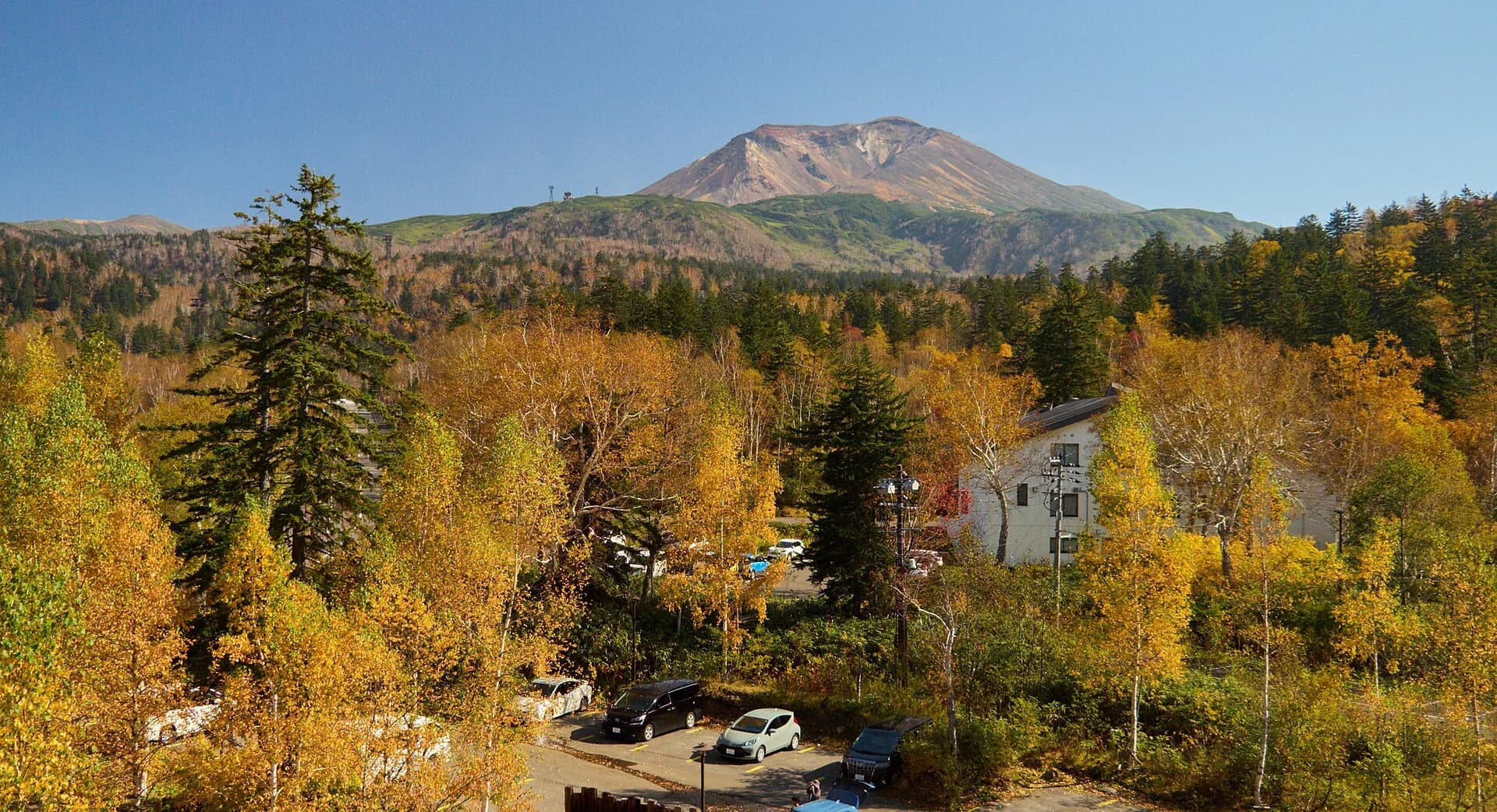
Color starts high. On Daisetsuzan, the slopes around Asahidake and Kurodake typically begin turning in mid-September — exact timing varies by year, so check locally before you commit a specific day. Down at ground level it still feels like late summer: this is a month of t-shirt afternoons and jacket evenings. Harvest stalls and roadside farm shops start filling up.
October — the descent
The wave of color comes down the mountains and spreads across the island: the Sounkyo gorge, Jozankei's hot-spring valley outside Sapporo, the caldera lakes of Akan–Mashu. This is the classic month — foliage at human altitude, food festivals, and onsen weather arriving right on cue. At altitude, be aware that winter starts early: high passes and peaks can see snow from October, even while the lowlands are golden.
Early November — the golden finale
Broadleaf color fades, and the larch plantations take over — whole hillsides of soft gold, often with fresh white summits behind them. Compare actual room and transport prices for your dates rather than treating early November as the cheapest window. By mid-November, autumn hands over to winter. Our Hokkaido in November guide has the month's weather normals, sunset times and the late-November ski and illumination dates.
Where to go
- Daisetsuzan & Sounkyo (Kamikawa) — the headline act: famously Japan's earliest alpine foliage, two ropeways, waterfall gorges and hot-spring bases. It gets a full guide of its own: Daisetsuzan in Autumn.
- Jozankei (Ishikari) — Sapporo's onsen valley turns spectacular in October, less than an hour from the city. Ideal if you're short on time. More on the area in our Ishikari region guide.
- The Tokachi plain — harvest country at harvest time. Farm restaurants, garden roads winding down from the mountains, and moor hot springs for the cool evenings. See the Tokachi region guide.
- Akan–Mashu (Kushiro) — caldera lakes ringed in color, morning mist on the water, and quiet Ainu kotan evenings. Details in our Akan–Mashu National Park guide.
What to eat in autumn
Autumn is the season Hokkaido's kitchens wait for. A short list worth traveling for:
- Salmon and ikura — autumn is salmon season on Hokkaido's coasts, and freshly cured ikura over rice is the season's signature bowl.
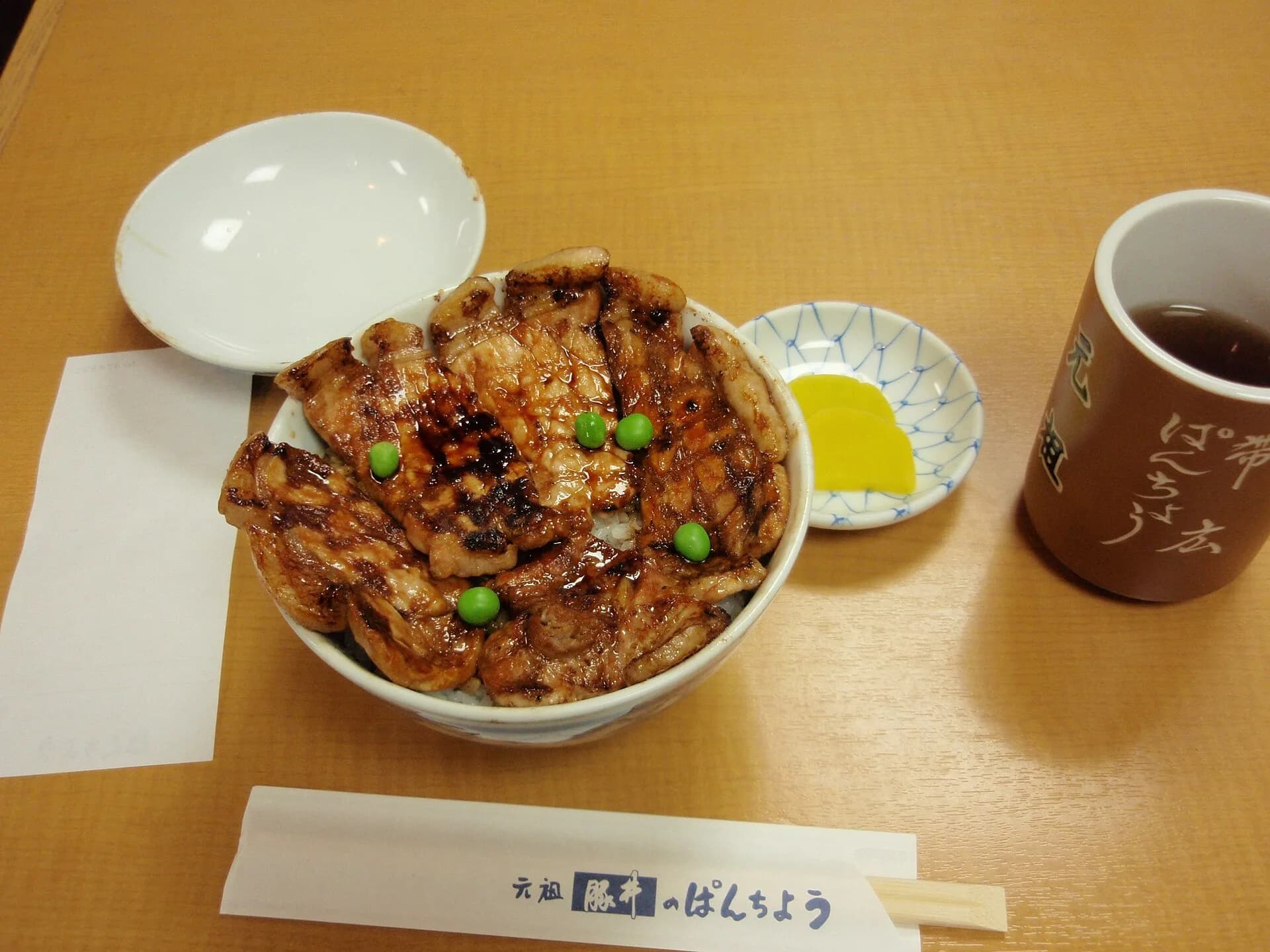
- New potatoes, squash and sweet corn — the harvest that made Tokachi famous, at farm stands and in butadon-town Obihiro.
- Autumn seafood markets — port towns shift their stalls to the season's catch; cold-water seafood only gets better as the temperature drops.
For the bigger food picture, see What to Eat in Hokkaido.
A flexible autumn trip without chasing the foliage
Leave room to change the outing, not just the departure time. A mountain day that can move by two days is only useful if your accommodation, transport and other bookings can move with it. The following are planning options, not a forecast of where the leaves will be best on your dates.
- Two nights, with one full sightseeing day: choose one base and one priority. From a Sapporo base, compare a Jozankei outing with a city day; from an Asahikawa base, compare the mountain outing with a day in town. Do not promise yourself a second mountain attempt on departure morning unless the entire trip back to the airport still fits. Use the Asahikawa accommodation guide to check how the hotel connects to the transport you need.
- Three nights in the same base: keep two full days interchangeable. Put the weather-sensitive outing on the more suitable day and the food, museum or shopping day on the other. Before swapping, check the indoor venue's closing days and whether either activity has a timed booking. Staying in one place does not guarantee a spare bus seat, rental car or ropeway service.
- A city stay plus an onsen night: treat the onsen night as a replacement for a city night, not an extra booking to abandon later. Dinner, hotel pickup and luggage collection can make that day less flexible than it appears. Check the Jozankei overnight plan before deciding which day can move.
Before any change deadline, compare the latest local foliage photographs and their capture dates with the forecast, service notices and road conditions for the actual destination. A green or already bare viewpoint is a different problem from unsafe access: if travel is operating safely, a lake walk or hot-spring stay may still suit you. If access is closed or conditions are unsuitable, choose the nearby alternative rather than driving to a more distant mountain to rescue the photograph. The Daisetsuzan guide separates a ropeway visit from a summit hike.
Keep a short change note for each paid booking: seller and contact, last change/cancellation time, charge after that time, and what would need booking again. Check availability and the new total before cancelling the old plan; do not assume transport disruption makes a separate hotel refundable. In your trip budget, compare the same number of nights, including meals, extra transfers and any cancellation charge. A cheaper replacement room can still make the trip cost more.
If the leaves are not at their peak, keep one worthwhile purpose that does not depend on them: a meal you want, an onsen stay, or a short city visit. Choose that fallback while booking, rather than filling the whole day with long drives after arrival.
Check which area the accommodation link searches
The stay link below searches Kamikawa town, including Sounkyo. It does not cover every autumn destination in this guide, and it is not an Asahidake Onsen-only or Asahikawa city search. Check the hotel's address and the transport to your chosen sightseeing area, plus meals and cancellation terms. Use the Asahikawa accommodation guide to compare a city base with Sounkyo and Asahidake stays.
Practical notes
- Timing is a range, not a date. Foliage peaks shift by a week or more from year to year. If you want to move a mountain day, check that your bookings and onward journey allow it; a spare date alone is not enough.
- Pack for two seasons. Lowland afternoons can be mild while the peaks are near freezing. Layers, a warm jacket for altitude, and gloves from October onward.
- Book foliage weekends early. Sounkyo and Jozankei fill up on peak October weekends; weekdays are far calmer.
- Drive gently at dusk. Deer are most active exactly when the light gets beautiful.
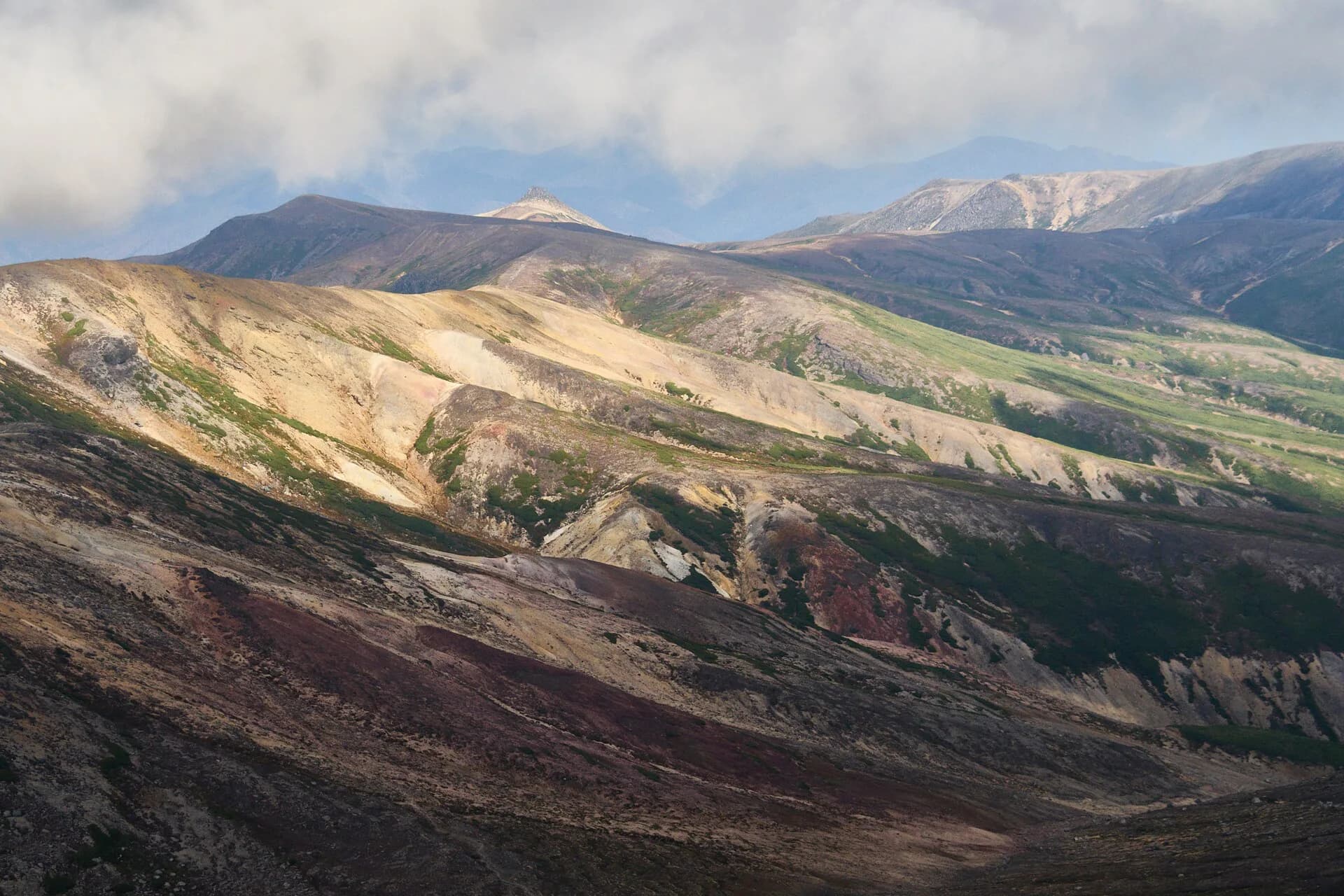
Distances stay honest too: Hokkaido is about the size of Austria, so plan one or two regions rather than a lap of the island. Our route planner builds a season-aware itinerary in about a minute.
The bottom line
Autumn in Hokkaido inverts the usual Japan calendar: the colors start earliest here, seasonal food is part of the journey, and popular foliage spots can still be busy. Come in September for the alpine slopes, October for the gorges, lakes and onsen towns, early November for the golden larches — and bring an appetite either way.
Ready to build the trip? Start with Daisetsuzan in Autumn, then let the 7-day itinerary carry the rest of the route.
Book what's in this guide
These are affiliate links. We may earn a commission if you book — the price you pay is the same. Learn more

Viator links open a regional or category list, not a single tour. Check each activity's location and dates before booking.
Northern Land Hokkaido Team — Sapporo, Japan