One of Hokkaido's 14 regions
Soya宗谷
Hokkaido's northern tip: Wakkanai, Cape Soya and the islands of Rishiri and Rebun.
Soya is the region at the northern tip of Hokkaido, made up of one city, eight towns and one village. Cape Soya, in Wakkanai city, is the northern end of Hokkaido's main island, marked by the Northernmost Point in Japan monument; on clear days Sakhalin can be visible across the strait. Wakkanai is also the port for ferries to the islands.
Offshore, Rishiri is a volcanic island built around the cone of Mount Rishiri, known locally as 'Rishiri Fuji'. Rebun, its lower neighbour, is known for coastal walks and wildflowers. What is in bloom depends on the species, the month and the year, so check current flowering information before planning around it.
🧭 Reach Wakkanai by air, JR or intercity bus. Ferries to Rishiri and Rebun leave from Wakkanai port; check the operator's timetable and service status.
Where is Soya? Choosing between Cape Soya, Rishiri and Rebun
Soya is the region at the northern tip of Hokkaido, made up of 10 municipalities (one city, eight towns and one village), including Wakkanai and the islands of Rishiri and Rebun. Cape Soya is in Wakkanai city; there is no separate town called Soya. Hokkaido Government's Soya municipal guide (Japanese)
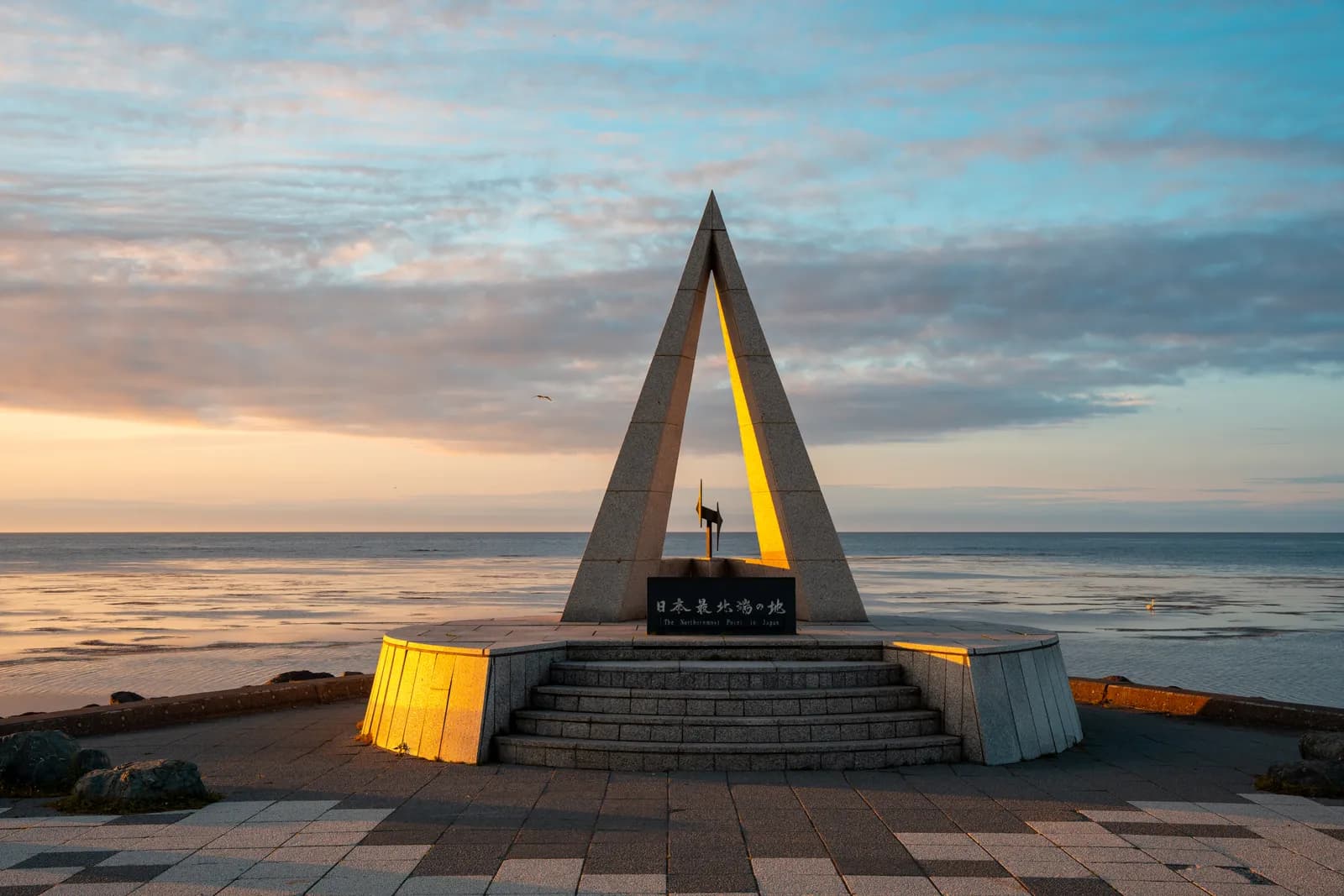
Cape Soya on the mainland, or Rishiri and Rebun?
Scroll sideways to see the full table.
| Destination | Suits | Getting there | What to verify |
|---|---|---|---|
| Cape Soya (mainland, Wakkanai) | Seeing the northern end of Hokkaido's main island and its monument, without a ferry | From JR Wakkanai Station, about 40 minutes by car or about 50 minutes by bus (official tourism estimates) | Outbound and return bus times. Weather, traffic and waiting can add time |
| Rishiri Island | Views of Mount Rishiri and time spent on the island | Ferry from Wakkanai to Oshidomari port; arrange island transport separately | The timetable for your travel year and date, both sailings and ports, and service status |
| Rebun Island | Coastal walks and, if your timing works, wildflowers | Ferry from Wakkanai to Kafuka port; transfers to walking routes or tours are separate | Both sailings and service status, plus transfers to trailheads or tours. Flowering varies by year and species |
Travel-time source: Hokkaido official tourism site — Cape Soya. Ferry routes: Heartland Ferry (English); service status and booking on the Japanese website.
If your days are limited, choose either the mainland cape or an island trip as the core of your plan. Sailings between Rishiri and Rebun use different ports and departure times depending on the season. On the ferry company's website, select the timetable for your travel year and date, then check the ports and sailings for both legs and the current service status.
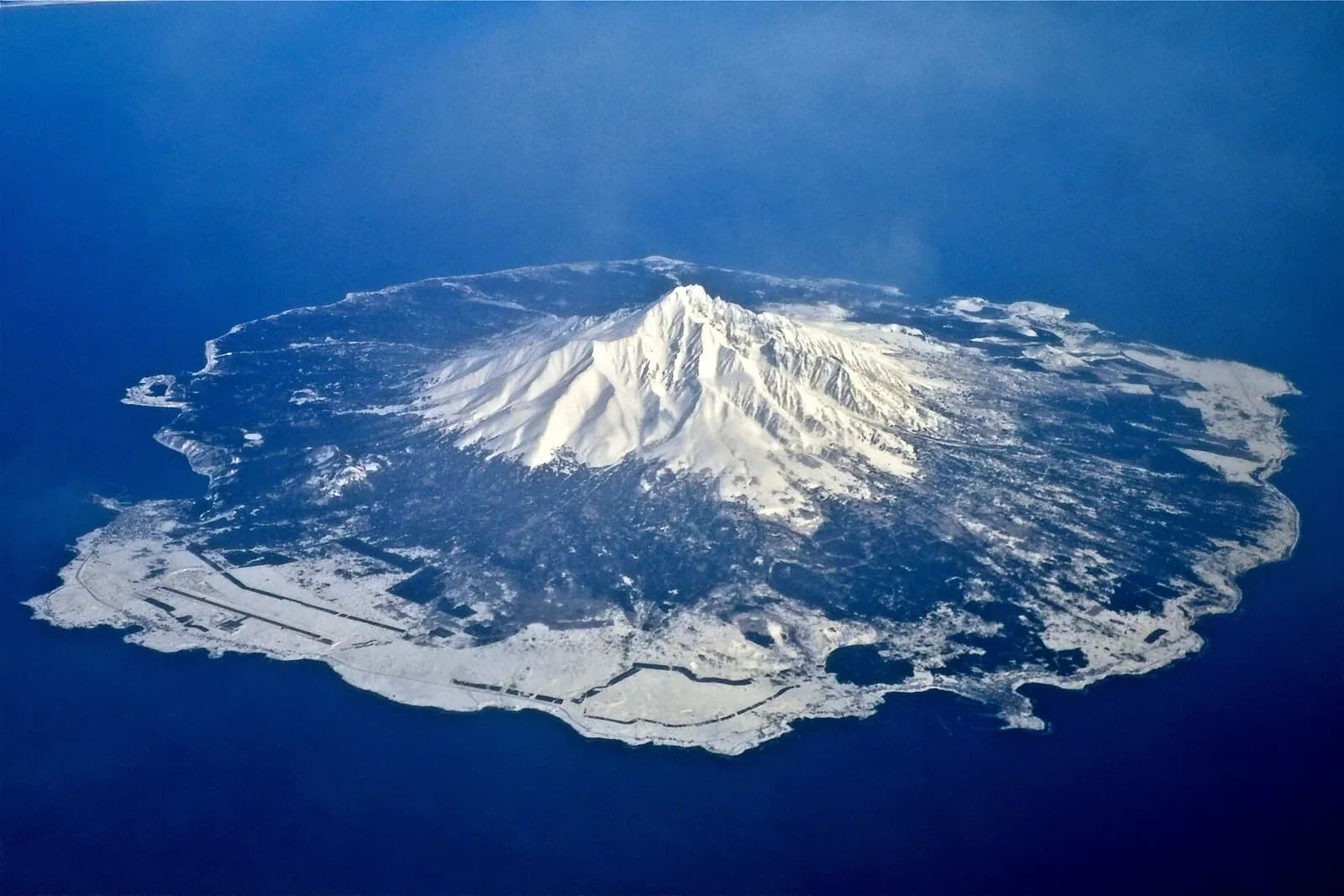
Where to stay: plan around the next day's journey
If Cape Soya is your goal, staying in Wakkanai the night before gives you more room for time at the cape and the return bus. It also makes it easier to rearrange the day if the weather turns.
If you plan to sleep on Rishiri or Rebun, check your island accommodation and the round-trip ferry together. We don't recommend squeezing both islands and Cape Soya into your arrival day. Weather can affect sailings, so leave a buffer before your flight home. When booking island accommodation, also check whether dinner and breakfast are included and what happens if you arrive late.
- Wakkanai: Cape Soya and the ferry port
- Rishirifuji: the Rishiri Island town with Oshidomari port
- Rebun: Kafuka port and island walks
Official information checked on 15 October 2026. Destination and accommodation choices are NLH editorial suggestions; confirm service dates, times and booking conditions with operators before travelling.
Soya highlights
Cape Soya
The northern end of Hokkaido's main island, in Wakkanai city. Sakhalin can be visible on clear days.
Rishiri Island
A volcanic island centred on Mount Rishiri, reached by ferry from Wakkanai.
Rebun, island of flowers
Coastal walks and wildflowers. Flowering times vary by species and year, so check distances and bloom reports.
Sarobetsu wetlands
Wide wetlands near the Sea of Japan coast, with boardwalks and seasonal flowers.
The 10 towns of Soya
Click a town to jump to its entry
Wakkanai稚内市
Japan's northernmost city, where the road simply ends at Cape Soya. Ferries leave for Rishiri and Rebun, the flower islands.
Wakkanai town page →Sarufutsu猿払村
Sarufutsu, a village of scallop fishermen on the Okhotsk, hauls one of the biggest scallop catches in Japan — try them thick-grilled at the roadside station.
Sarufutsu town page →Hamatonbetsu浜頓別町
On the Okhotsk line north, Lake Kutcharo hosts thousands of migrating swans — a quiet stop on Japan's emptiest coastal drive.
Hamatonbetsu town page →Nakatonbetsu中頓別町
Nakatonbetsu hides a limestone cave park in the far north — and you can still pan for real gold in its rivers like the pioneers did.
Nakatonbetsu town page →Esashi枝幸町
Esashi (the Okhotsk one) is hairy-crab country — one of Japan's top kegani ports, celebrated with a summer crab festival.
Esashi town page →Toyotomi豊富町
Toyotomi's oil-tinged hot spring is famous nationwide for soothing skin conditions, and the vast Sarobetsu wetland blooms at its door.
Toyotomi town page →Rebun礼文町
Rebun, the 'floating island of flowers' — alpine blooms at sea level and hiking trails over turquoise coves at Japan's far northern edge.
Rebun town page →Rishiri利尻町
Rishiri town shares the perfect volcano island — uni fishing coves, a pond that mirrors the peak, and the seaweed that flavors Japan's finest dashi.
Rishiri town page →Rishirifuji利尻富士町
Rishiri's perfect volcanic cone rises straight from the sea — climb it, cycle around it, and eat the uni that made the island famous.
Rishirifuji town page →Horonobe幌延町
Horonobe keeps a reindeer farm on the edge of the Sarobetsu mire — the most Lapland-like corner of Japan.
Horonobe town page →
Guides that cover Soya
Hokkaido Driving Times: How to Check Routes from Sapporo and New Chitose
Hokkaido driving times from Sapporo to Wakkanai, Nemuro and Hakodate, then how to check real road routes, check road closures before you set off and plan rental car pick-up and return.
Read →
Best Places to Visit in Hokkaido: Cities, Nature and Onsen
Compare Sapporo, Otaru, Hakodate, Furano, Biei, Niseko and eastern Hokkaido. Choose where to go by interests, transport and hotel base, with routes for a first visit.
Read →
Hokkaido in Summer: The Season Japan Keeps to Itself
Plan a Hokkaido summer trip with lavender fields, regional routes, indoor breaks and room-cooling checks, plus clothing and transport advice.
Read →