One of Hokkaido's 14 regions
Sorachi空知
Inland central Hokkaido: coal heritage, wineries and seasonal fields.
Coal mining shaped many Sorachi towns, and places such as Yubari and Mikasa still keep that history in museums, rail relics and quiet main streets.
Wineries are scattered among rice fields and farmland, and the region's sights are spread out, so check visiting conditions and transport before you set off.
🧭 Between Sapporo and Asahikawa by JR or car. Sights are spread out, so check the last leg from the station; anyone tasting wine should not drive.
Where is Sorachi? Choosing between Iwamizawa, Yubari and Takikawa
Sorachi is an inland region of central Hokkaido between Sapporo and Asahikawa, made up of 24 municipalities: 10 cities and 14 towns, including Iwamizawa, Yubari, Mikasa, Takikawa and Naganuma. Its sights are spread across the region. For a day trip, choose a main interest such as wineries or coal heritage, then plan the transport around it. Hokkaido Government municipality list (Japanese)
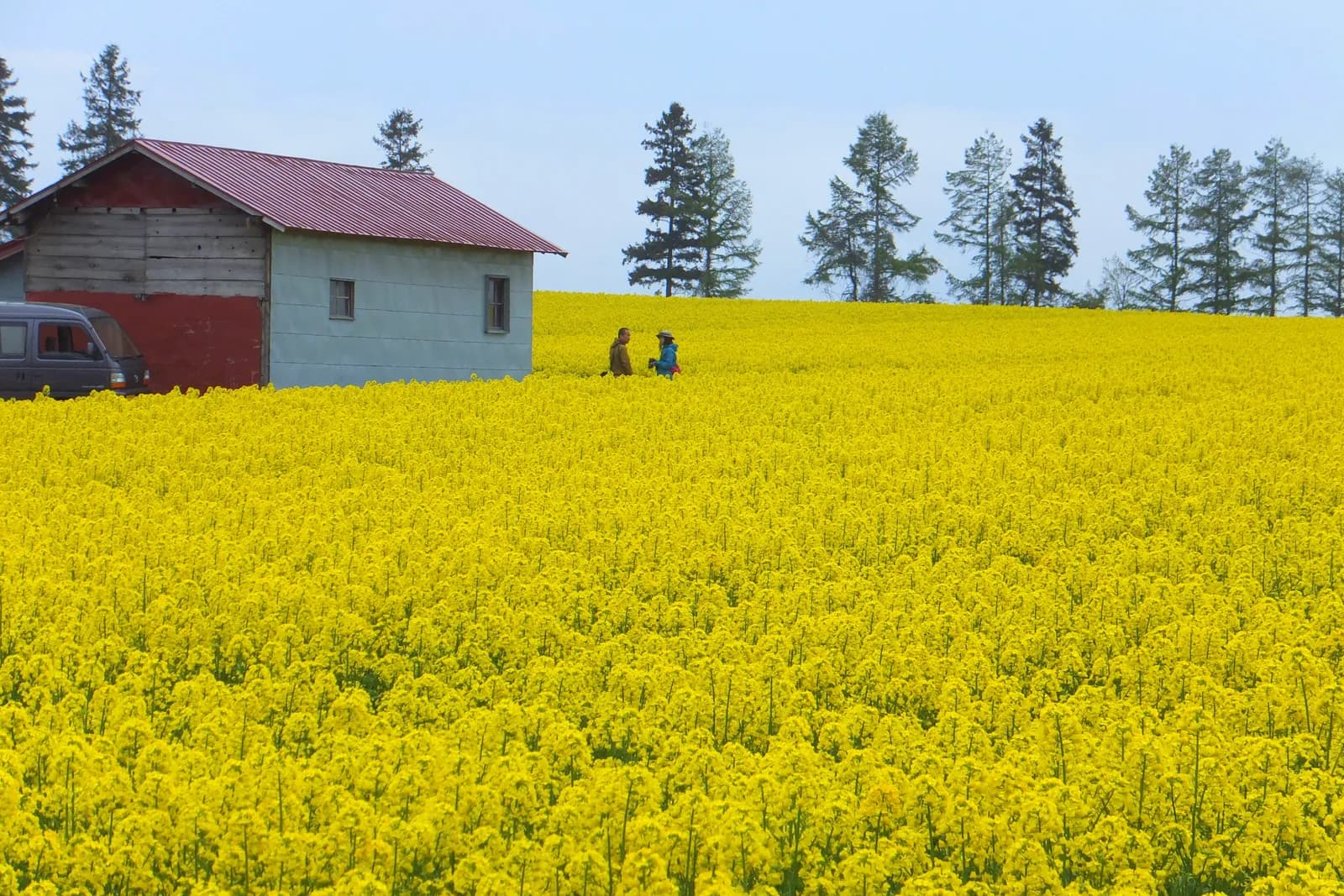
Taken in May 2014, not a live bloom forecast or this year's field location.
Winery, coal heritage or canola: which trip?
Scroll sideways to see the full table.
| Area and purpose | How to get there | Before going |
|---|---|---|
| Iwamizawa (winery) | Housui Winery: about 15 minutes by taxi from JR Iwamizawa Station. Shop, upstairs gallery and a glass view into the brewery | Book a return taxi and check current opening days and visiting conditions. Tasting is not guaranteed, and drivers must not drink |
| Yubari (coal heritage) | The Coal Mine Museum estimates about 100 minutes by car from central Sapporo and about 70 minutes from New Chitose Airport on general roads. Without a car, take JR to Shin-Yubari Station, then a Yutetsu Bus to the museum stop and walk | Closed in winter. Check the opening calendar, that day's bus timetable and last return, plus weather and roads |
| Takikawa (canola) | JR to Takikawa Station. The station is not at the fields, so check that year's festival map and local transport | The bloom is usually mid to late May. Fields rotate every year and include private land; only designated venues are open to visitors |
These are the operators' estimates; traffic and winter roads can add time.
Sources: Housui Winery access; Coal Mine Museum access; Yutetsu Bus routes; Takikawa canola festival (all Japanese).
Wineries: visiting conditions differ by winery
Sorachi's wineries are scattered, and not all of them are open to the public. At Housui you can look out over the vineyard, which is not permission to walk into it. Winter opening days can differ from the rest of the year; check the latest notice before leaving. About Housui Winery (Japanese) · Sorachi Bureau wine office (Japanese)
Yubari's coal museum: seasonal, closed in winter
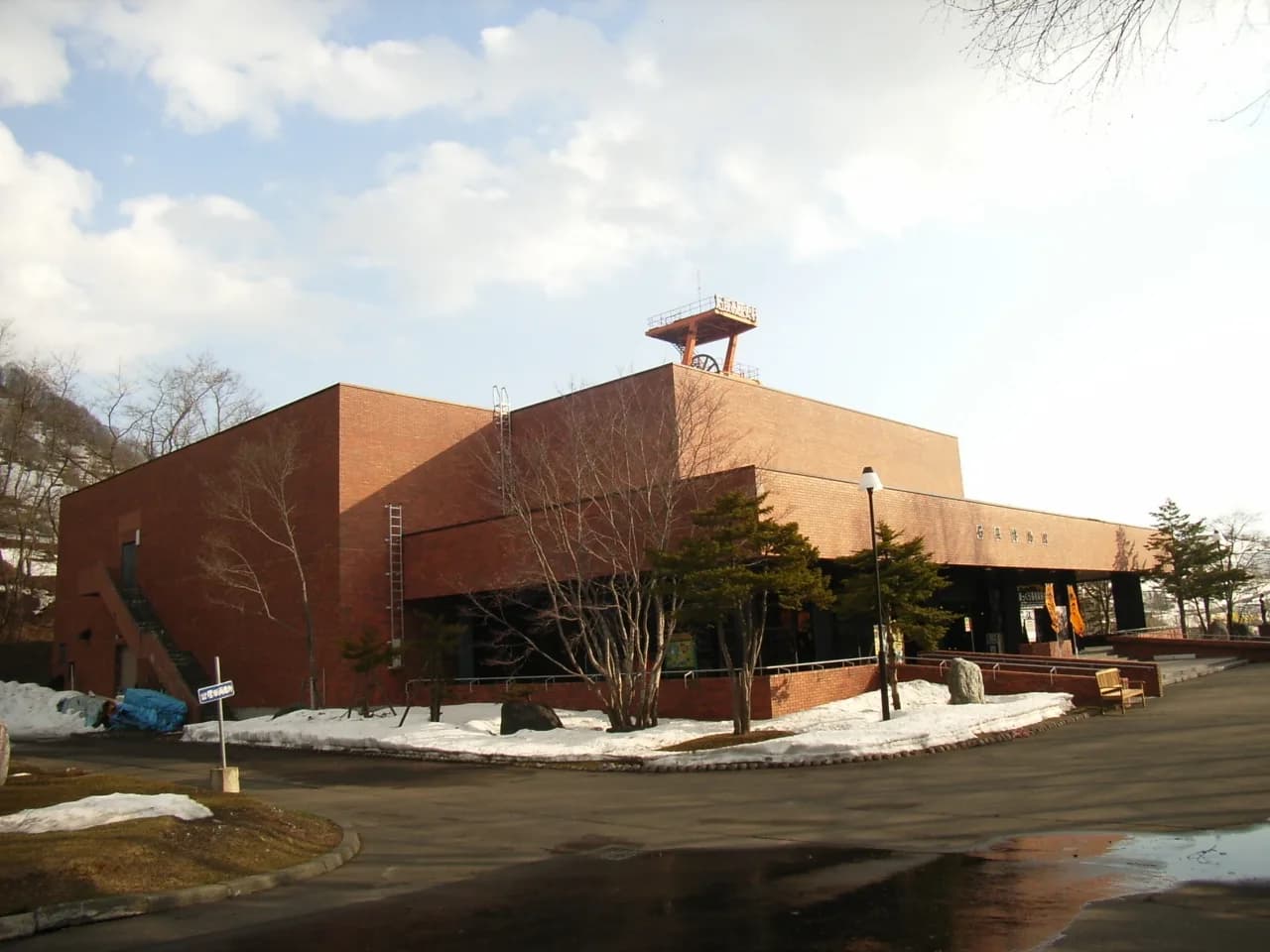
The exterior in April 2007, not the current interior or entrance.
Its exhibits and simulated mine explain Yubari's coal-mining history. The Yubari Coal Mine Museum opens from spring to autumn and closes in winter, with other closing days, so check its calendar. Navigation apps may suggest a closed road; the museum advises searching for Yubari Shrine, then following its signs. Without a car, settle the return bus before leaving. Museum visitor information (Japanese)
Hokkaido driving times: how to check routes and winter roads
Canola: check the bloom and this year's viewing areas
In Takikawa the canola usually blooms in mid to late May, and the fields change from year to year. The festival site asks visitors not to park or stop at the roadside and not to enter private fields or levees. Takikawa City canola page (Japanese)
Day trip or overnight?
The simplest plan is to stay in Sapporo and choose one area per day. If you travel by rail, a hotel near Iwamizawa or Takikawa Station is another base. Rural hotels are not necessarily near a station or sight, so confirm the last leg or a pickup before booking. Wine, the museum and canola do not always line up in one day or one season.
Official information checked 15 October 2026. Area and base choices are NLH editorial suggestions; confirm opening days, timetables and visiting conditions with each operator.
Sorachi highlights
Sorachi wine country
Wineries among the rice towns. Visiting and tasting conditions differ by winery, and not all are open to the public.
Yubari melon
Yubari's best-known farm product, sold in season.
Canola fields of Takikawa
Canola usually blooms in mid to late May. Fields change each year and include private land, so view them only at designated venues.
Coal heritage
Museums and rail relics in Yubari and Mikasa tell the story of the region's coal-mining towns.
The 24 towns of Sorachi
Click a town to jump to its entry
Yubari夕張市
Yubari means two things in Japan: the country's most famous luxury melon, and a poignant coal-mining past you can still trace through the valley.
Yubari town page →Iwamizawa岩見沢市
Iwamizawa grew up as a railway junction for the coalfields; today it's rose gardens, campgrounds and one of Sorachi's growing wineries.
Iwamizawa town page →Bibai美唄市
Bibai's soul food is motsu-yakitori — whole-skewer chicken grilled since the mining days — and each spring thousands of geese stop at Miyajima Marsh.
Bibai town page →Ashibetsu芦別市
Ashibetsu calls itself 'the village where stars fall' — big mountain skies above, and a homely chop-suey ramen called gatatan below.
Ashibetsu town page →Akabira赤平市
Akabira preserves its coal heritage honestly — a guidance center at the old mine and a 777-step stairway up the slag mountain for the view.
Akabira town page →Mikasa三笠市
Mikasa is fossil country: ammonites the size of truck tires in the city museum, and the birthplace of Hokkaido's first railway.
Mikasa town page →Takikawa滝川市
In late May Takikawa turns gold — one of Japan's largest canola blossom landscapes — and its lamb jingisukan tradition runs deep.
Takikawa town page →Sunagawa砂川市
Sunagawa is Hokkaido's 'sweets road' — a strip of famous confectioners along the highway that dessert pilgrims drive out from Sapporo for.
Sunagawa town page →Utashinai歌志内市
Utashinai, once a booming coal town, is now Japan's least-populous city — a quiet valley with a ski hill and outsized character.
Utashinai town page →Fukagawa深川市
Fukagawa is rice and buckwheat country on the Ishikari plain — its roadside station is famous for rice-ball breakfasts done right.
Fukagawa town page →Nanporo南幌町
Nanporo is a market-garden town half an hour from Sapporo, known for cabbage fields and a big roadside farm stand culture.
Nanporo town page →Naie奈井江町
Naie sits quietly between Sunagawa and Bibai — rice paddies, a town forest park and old Sorachi railway rhythms.
Naie town page →Kamisunagawa上砂川町
Kamisunagawa packs coal-mine museums and a retro drama-set station into one tiny valley town at the end of a branch line.
Kamisunagawa town page →Yuni由仁町
Yuni's pride is a hillside English garden of herbs and roses — one of Hokkaido's prettiest, an easy drive from the airport.
Yuni town page →Naganuma長沼町
Naganuma is Sapporo's favorite countryside: farm stands, jingisukan houses and hilltop wineries barely 40 minutes from town.
Naganuma town page →Kuriyama栗山町
Kuriyama is home to one of Hokkaido's oldest sake breweries, its historic wooden warehouses open to visitors every spring.
Kuriyama town page →Tsukigata月形町
Tsukigata began as a Meiji-era prison colony that cleared this land; the museum tells that hard story, the melon fields tell the sweeter one.
Tsukigata town page →Urausu浦臼町
Urausu grows grapes on one of Japan's largest single vineyards, rolling over the hills above the Ishikari River.
Urausu town page →Shintotsukawa新十津川町
Shintotsukawa was settled by villagers from Nara's Totsukawa after an 1889 flood — a whole community transplanted north, sake brewery and all.
Shintotsukawa town page →Moseushi妹背牛町
Moseushi — one of Hokkaido's great tongue-twister names — is a pocket-sized rice town with a riverside park built for lazy summer days.
Moseushi town page →Chippubetsu秩父別町
Chippubetsu grows some of Japan's best broccoli and keeps a rose garden of hundreds of varieties at the foot of its landmark tower.
Chippubetsu town page →Uryu雨竜町
Uryu guards the trailhead to Uryunuma — a high moor of ponds and cotton grass that alpine hikers call a miniature Oze.
Uryu town page →Hokuryu北竜町
Hokuryu plants a million sunflowers every summer — Japan's most famous sunflower village, blooming through August.
Hokuryu town page →Numata沼田町
Numata lights up one August night with the Yotaka lantern festival — giant illuminated floats clashing in the streets — and fireflies in June.
Numata town page →