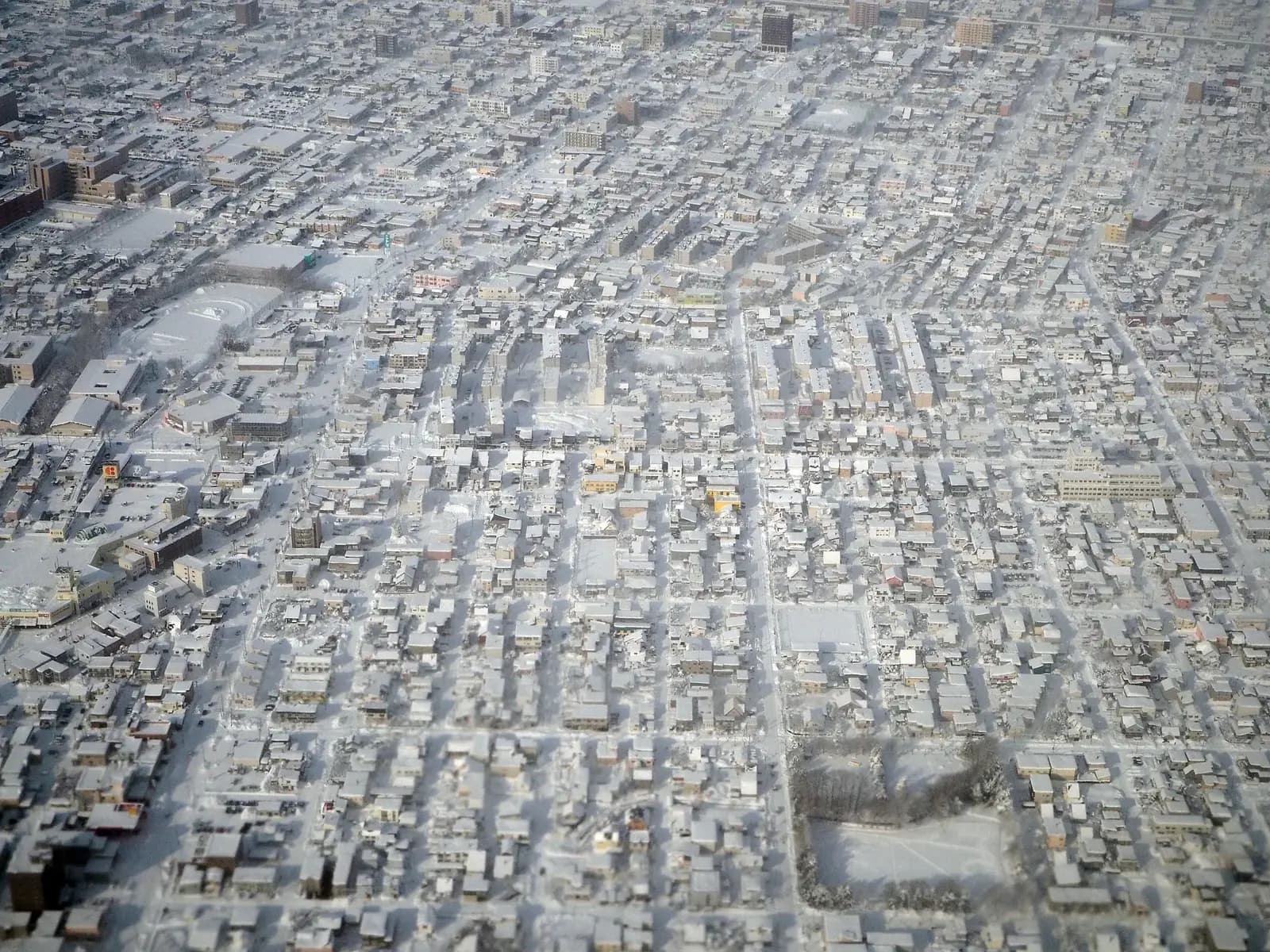
In Sapporo, January averages a daily high of -0.4°C and a low of -6.4°C; February is similar, with a high of 0.4°C. Inland Asahikawa is colder, with January lows averaging -11.7°C, and Kutchan, the town that includes Niseko's Grand Hirafu, gets far more snow than the cities: 253 cm of snowfall in an average December and the same in January.
These figures are the Japan Meteorological Agency's climate normals, the 30-year averages for 1991–2020. They describe a typical month, not the weather on your travel dates.
Average daily high and low, December to March
| Station | December | January | February | March |
|---|---|---|---|---|
| Sapporo | 2.0 / -4.0°C | -0.4 / -6.4°C | 0.4 / -6.2°C | 4.5 / -2.4°C |
| Asahikawa | -0.8 / -8.0°C | -3.3 / -11.7°C | -1.7 / -11.8°C | 3.0 / -6.1°C |
| Kutchan (Niseko area) | 0.0 / -6.8°C | -2.0 / -9.6°C | -1.0 / -9.4°C | 3.0 / -5.7°C |
| Abashiri | 0.7 / -6.0°C | -2.2 / -8.9°C | -2.0 / -9.6°C | 2.3 / -4.9°C |
| Hakodate | 3.2 / -3.6°C | 0.9 / -6.0°C | 1.8 / -5.7°C | 5.8 / -2.2°C |
Each cell shows the average daily maximum, then the average daily minimum. In all five places, January and February are the coldest months; in Asahikawa and Kutchan the average daytime high is at or below freezing from December to February.
Snow: how much falls, and how deep it gets
| Station | December | January | February | March |
|---|---|---|---|---|
| Sapporo | 113 cm / 47 cm | 137 cm / 76 cm | 116 cm / 95 cm | 74 cm / 82 cm |
| Asahikawa | 158 cm / 58 cm | 125 cm / 72 cm | 97 cm / 84 cm | 80 cm / 82 cm |
| Kutchan (Niseko area) | 253 cm / 99 cm | 253 cm / 155 cm | 187 cm / 181 cm | 122 cm / 170 cm |
| Abashiri | 71 cm / 29 cm | 90 cm / 46 cm | 69 cm / 58 cm | 52 cm / 52 cm |
| Hakodate | 79 cm / 22 cm | 91 cm / 34 cm | 74 cm / 41 cm | 41 cm / 28 cm |
The first figure is the total snowfall in the month; the second is the month's deepest snow on the ground, averaged over the 30 years. Snow keeps piling up through the winter, so in Sapporo, Asahikawa and Kutchan the snow on the ground is usually deepest in February, even though more snow falls in December or January.
What the numbers mean for your trip
These are our planning suggestions based on the figures above, not official advice.
- Sapporo and Hakodate sit around freezing in the daytime from December to February, with nights several degrees below. Most of your time outdoors will be on snowy or icy pavements rather than in deep cold.
- Asahikawa and inland areas are noticeably colder, especially at night. If you are going for the Asahikawa Winter Festival in February, dress for well below -10°C after dark.
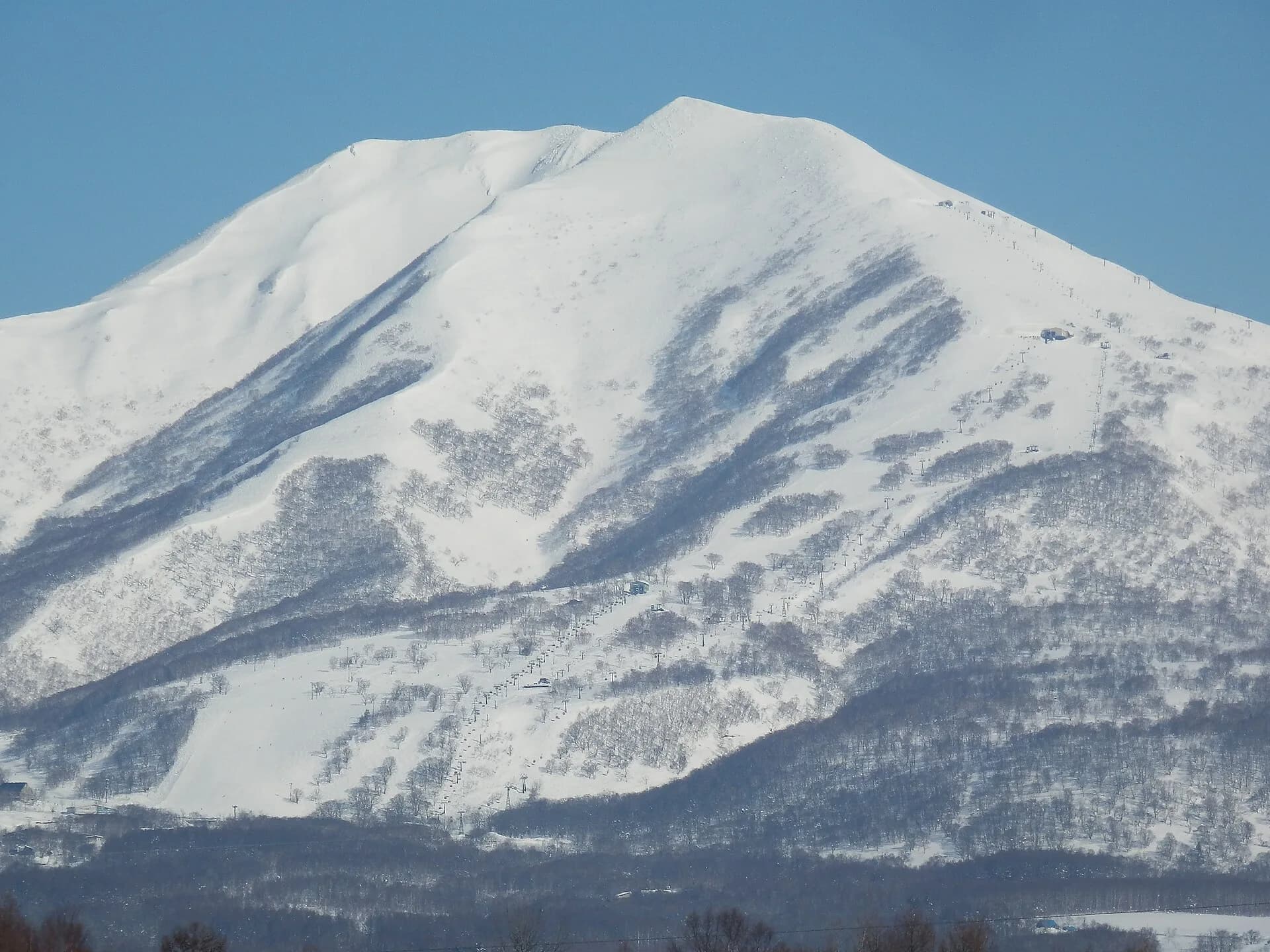
- Niseko is defined by snow, not just cold. Kutchan's snowfall is roughly double Sapporo's in December and January, which is why it is a ski destination, and also why roads and transfers need extra time. See our Niseko season guide.
- The Okhotsk coast (Abashiri) is colder than Sapporo with less snow. On a drift ice cruise you will be standing on an open deck in sea wind, so dress as if it is colder than the forecast.
What to wear
Again, these are suggestions, not rules.
- Layers rather than one heavy coat. You move between heated trains, shops and hotels and freezing streets many times a day. A warm base layer, a fleece or light down layer and a windproof, waterproof outer shell are easier to adjust.
- Boots with grip. Pavements become packed snow and ice. Waterproof boots with a deep-treaded sole matter more than any jacket. Slip-on ice cleats can help on the worst days. The Sapporo Snow Festival official site has advice on walking on frozen pavements.
- Hat, gloves and a neck warmer. At the festival's Tsudome site, hats and gloves are required for the attractions.
- Something for your bag. Snow melts on you indoors; a small towel, spare socks and a phone that stays warm in an inside pocket all help.
Planning around the weather
Snow and wind affect transport more than they affect sightseeing. Build some slack into travel days, avoid tight connections to flights, and if you have not driven on snow before, use trains, buses and booked transfers instead. Our winter transport guide covers what to do when a flight or bus is delayed, and our Hokkaido in winter guide lists the season's festival and drift ice dates.
Frequently asked questions
How cold is Sapporo in winter? January averages a daily high of -0.4°C and a low of -6.4°C (JMA normals, 1991–2020). February is similar: 0.4°C and -6.2°C.
How much snow does Sapporo get? In an average year, 113 cm falls in December, 137 cm in January and 116 cm in February. The snow on the ground is usually deepest in February, averaging 95 cm at its deepest.
Is Niseko colder than Sapporo? At Kutchan, the town that includes Grand Hirafu, January averages a high of -2.0°C and a low of -9.6°C, colder than Sapporo. The bigger difference is snow: 253 cm falls in an average January, against 137 cm in Sapporo.
What is the coldest place on this list? Asahikawa, where the average daily low is -11.7°C in January and -11.8°C in February.
Source: Japan Meteorological Agency, climate normals (1991–2020) for the Sapporo, Asahikawa, Kutchan, Abashiri and Hakodate observation stations, from the JMA historical weather data search, checked 13 October 2026. Snow depth is the monthly deepest snow on the ground, averaged over 30 years. Clothing and planning advice is our editorial judgement.
Find a place to stay
These are affiliate links. We may earn a commission if you book — the price you pay is the same. Learn more

Northern Land Hokkaido Team — Sapporo, Japan